

### Blog Post:
Smart thermostat rebate programs in 2024 are a powerful lever for homeowners to cut their HVAC bills and capture major upfront cash incentives—but only if you know exactly where to find the biggest rebates and avoid common mistakes during the claim process. Here’s how to find your maximum rebate, sidestep headaches, and achieve real savings this year.
Key Takeaways
- Single smart thermostat rebates typically land between $50 and $200, while bundled upgrades can unlock rebates up to $10,000.
- Eligibility rules can be strict—approved models, installation, and demand-response enrollment often required.
- Missing paperwork or buying the wrong device are the top reasons people miss out or get delayed.
- 2024 Smart Thermostat Rebate Snapshot — what you can expect
- Common Eligibility Rules — do you qualify?
- Major Utilities & State Programs — real examples and amounts
- How to Apply — step-by-step and timeline expectations
- Top Redemption Pain Points — common complaints and how to avoid them
- Underreported, High-Value Smart-Home Energy Savings (unique insight)
- Bundling & Bigger Rebates — when to pursue whole-home upgrades
- Which Devices to Buy (and why model lists matter)
- Quick Checklist & Template for a Successful Rebate Claim
- Simple ROI Example — one realistic homeowner scenario
2024 Smart Thermostat Rebate Snapshot — what you can expect
Smart thermostat rebates in 2024 range from $50 to $200 for a single eligible device, but the real opportunity is in whole-home bundles: some programs stack up to $1,500, $3,000, or even $10,000 if you combine your thermostat purchase with heat pump or insulation upgrades.
These higher rebates reward you for tackling larger efficiency improvements, not just the thermostat swap—so if you’re due for new HVAC tech, double-check your utility’s programs before you buy.

One-time thermostat rebates are by far the easiest to claim, but bundled “home energy upgrade” incentives potentially give you 10–20 times more cash. Just know the paperwork and timelines are more involved for the big awards.
Common Eligibility Rules — do you qualify?
Thermostat incentives have clear but often under-communicated requirements. Most programs demand all the following (and a missed checkbox here will derail your claim):
- Buy a Wi-Fi-enabled thermostat that’s on your utility’s approved product list—not all ENERGY STAR thermostats count.
- Install on a compatible system. You typically need a C-wire for 24V HVAC or special models for line-voltage electric heat. If you don’t own your equipment (such as in many rentals), you may need your landlord’s sign-off.
- One rebate per account and purchase and installation at your primary residence.
- Agree to enroll in a qualified demand-response or utility reward program in your area.
Program fine print can change at any time. These requirements show up in nearly every major 2024 offer, including Otter Tail Power’s $150/$50 rebate and PSE’s Efficiency Boost.
Major Utilities & State Programs — real examples and amounts
Here are top real-world programs. Check your address and utility account for eligibility, and always consult the official rebate site before purchase.
- Otter Tail Power (MN/ND/SD): Up to $150 smart thermostat rebate (Tier III electric), $50 non-electric
- Xcel Energy (CO): Up to $100 direct rebate
- Pacific Power & Light (WA): $75 standard, up to $175 “Efficiency Boost” rebate for select Nest models (see details)
- CPS Energy (TX): $50–$200 range depending on program
- Focus on Energy (WI): $50 instant discount (retailer/contractor supplied)
- Statewide bundles:
- TECH Clean California: Up to $3,000 for heat-pump bundle
- New York: Up to $2,500 for eligible upgrades (NY:HEAT Act + utility programs)
- Massachusetts (MassSave): Up to $10,000 for whole-home retrofit
- Washington: Up to $1,500 on select bundled upgrades
- Colorado: $100 smart thermostat rebate, plus extra incentives for performance gains
See more bundled incentive info in our bundling rebate section below and always confirm the details at the official program URL before spending. For deeper home upgrades, you might also want to read our analysis on mini split heat pump payback or explore energy-efficient cooking upgrades as part of your plan.
How to Apply — step-by-step and timeline expectations
Follow these steps to secure your thermostat incentives and avoid missing out:
- Find your utility/state’s qualified product list and make sure your chosen smart thermostat model is listed.
- Decide if you want an instant discount (via contractor/retailer) or a rebate after purchase. Instant discounts are faster; rebates after purchase mean you must complete an online/mail application.
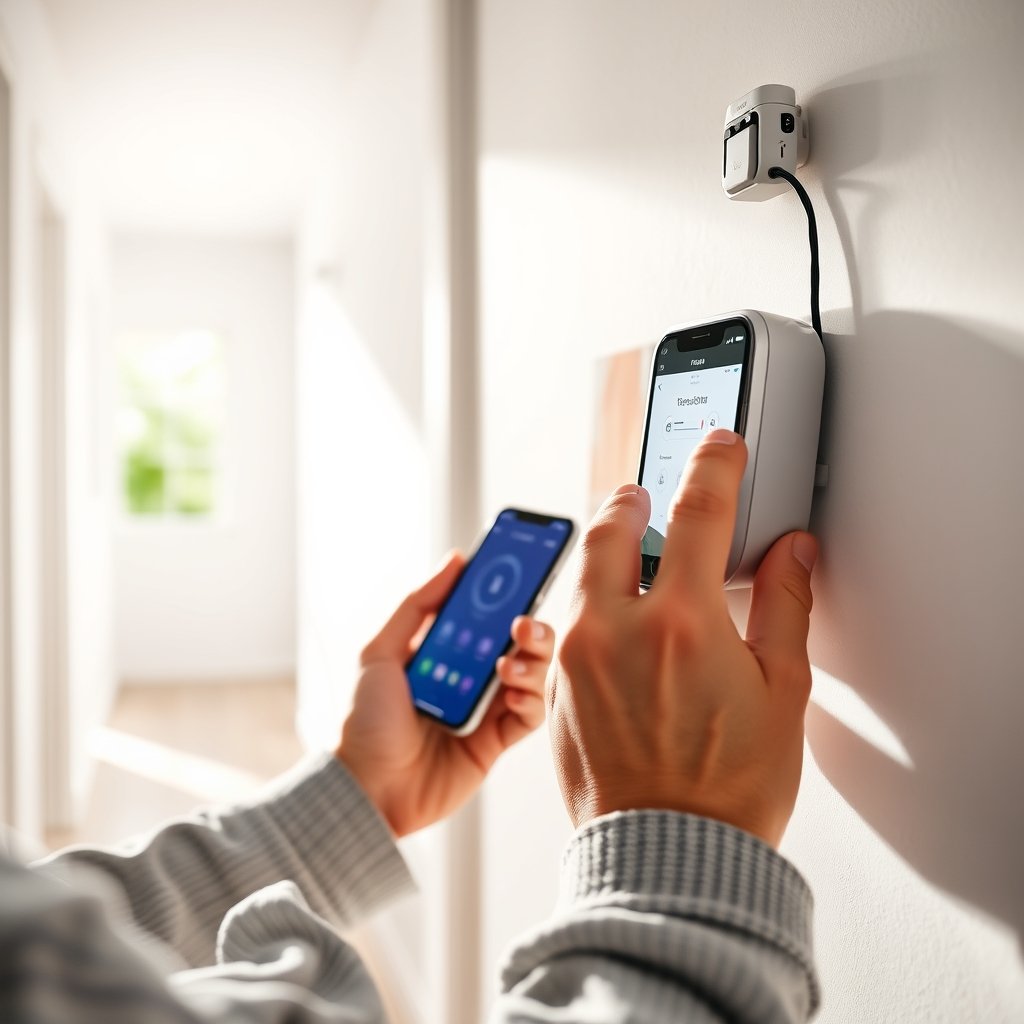
- Purchase and install your device (keep the full receipt and take a photo of the installed thermostat wired up and powered on).
- Complete any required demand-response enrollment.
- Send in your proof of purchase, installation photo, and program application, either online or by mail. Double-check every required document; missing pages cause most delays.
- Track your rebate status. Most checks or bill credits are processed in 6–8 weeks—faster for contractor-supplied instant discounts.
For even more energy and money-saving ideas that go beyond thermostats, browse our latest smart kitchen appliances review or discover portable garage heating strategies for winter.
Top Redemption Pain Points — common complaints and how to avoid them
Too many homeowners miss out on their smart thermostat rebate—or face weeks of frustration—because of these common mistakes. Here’s what to watch for (and how to prevent it):
| Pain Point | Cause | How to Avoid |
|---|---|---|
| Eligible model list changes | Utilities update product lists frequently, delisting some thermostats | Double-check the list the day you purchase; screenshot it for backup |
| Rebate processing takes 6–8 weeks | Manual verification and batch check runs | Opt for instant/point-of-sale discounts when available |
| Ineligibility due to installation or “C-wire” issues | Many thermostats won’t work without a C-wire or proper voltage | Verify your system can support the device before purchase |
| Missing proof of purchase/installation | Photo, receipt, or demand-response enrollment not attached | Gather all docs and photos before you submit your claim |
| Need to register for separate demand-response platform | Some utilities require separate online registration for rewards | Start this step immediately after install to avoid delays |
If you want to see how smart home tech can support both pets and energy goals, check out our guide on pet-friendly home upgrades for multifunctional living.

Underreported, High-Value Smart-Home Energy Savings (unique insight)
Reality check: Most rebate programs focus on the initial thermostat incentives, but sustained savings comes from how you use your system. Here are the least-talked-about ways to stack more value:
- Multi-zone sensor arrays: Pairing your thermostat with extra room sensors can net 15–25% better HVAC efficiency. If your device ecosystem offers this, buy a starter pack or add compatible multi-room sensors to your kit.
- Pre-cooling and pre-heating: Enable your utility’s “events” for optimized heating/cooling ahead of peak pricing; adds another 5–10% in bill savings (utility DR programs now do most of this automation for you).
- Occupancy sensors and smart vents: These can cut 5–8% more from annual HVAC use by shutting off flow to unused rooms automatically.
- Demand-response rewards: Many utilities offer recurring utility credits (not just a one-time rebate); opt in for ongoing payouts each summer or winter event.
Competitive guides rarely quote these numbers, but real-world studies and smart home data confirm the cumulative effect—especially in homes with variable schedules and large HVAC footprints.
Bundling & Bigger Rebates — when to pursue whole-home upgrades
If you’re planning a larger home project, bundling your smart thermostat with heat pump, insulation, or full HVAC upgrades can unlock dramatically higher rebates:
- California TECH Clean: Up to $3,000 for integrated heat-pump bundles (details).
- NY HEAT Act/NY utility programs: Up to $2,500 for qualifying upgrades.
- MassSave (Massachusetts): Up to $10,000 for whole-home projects.
Bundled incentives often depend on expected energy savings (e.g., 20%–35% project improvement), not just on the devices you install. Household income/area median income (AMI) sometimes affects the rebate cap—verify this before planning your budget.
If you like projects with big long-term returns, see also our home battery backup guide for pairing incentives.
Which Devices to Buy (and why model lists matter)
Not all smart thermostats are equal in the eyes of your utility—and even two ENERGY STAR models may not both qualify for the top-tier rebate. Here’s what you should do:
- Always choose a Wi-Fi-enabled thermostat on your utility’s approved model list. Print or screenshot the list before you shop—utilities sometimes update (or remove) eligible models overnight.
- If multi-sensor zoning is available (e.g., Ecobee3 Lite, Honeywell T9, certain Nest models), consider those for extra hidden savings.
- Look for “Efficiency Boost” models—like the Google Nest Learning Thermostat, which gets up to a $175 rebate with Pacific Power & Light.
Models like the Nest Learning Thermostat, Ecobee3 Lite, and Honeywell T9 are commonly approved (but always verify). See more in our modular home storage guide or discover other home automation tips.
Quick Checklist & Template for a Successful Rebate Claim
Here’s a fail-proof checklist to use before and after you buy:
- ✅ Verify your utility’s current approved model list.
- ✅ Photograph the thermostat box, purchase receipt, and installed/wired device.
- ✅ Complete any required demand-response platform registration.
- ✅ Gather all documentation BEFORE submitting your application.
- ✅ Submit online or by mail; save submission confirmation.
- ⏱ Most checks or bill credits arrive in 6–8 weeks. Only one rebate per account is typical!
Template snippet for your rebate application:
Utility Name: ____________________
Account Number: ___________________
Thermostat Model & Serial #: ______
Photo of Installed Device Attached: [ ] Yes  [ ] No
Proof of Purchase Attached: [ ] Yes  [ ] No
Demand Response Enrollment Complete: [ ] Yes  [ ] No
Date Application Submitted: ___________
For more simple checklists on maximizing every corner of your space, you might like our latest take on functional home decor ideas.
Simple ROI Example — one realistic homeowner scenario
Let’s say you buy a $150 energy saving thermostat and claim a $100 utility rebate. That cuts your upfront cost to $50. Now add a conservative 10% annual HVAC energy saving (per U.S. Department of Energy estimates), plus a further 15% for adding two multi-room sensors.
- Upfront rebate: $100 (single thermostat incentive)
- Annual energy saving: $120 (assuming $800 annual HVAC spend, 15% total savings from smart controls + sensors)
- Simple payback: Less than 6 months to full ROI; after that, savings are pure profit every year
Keep in mind, if you participate in demand-response, you could gain $25–$50 in recurring annual credits on top—delivering true smart home energy savings. If you’re upgrading a rental or don’t own your HVAC, check rules but know some programs allow tenant-submitted applications with landlord permission.
For more high-ROI appliance updates, our review of all-in-one air fryer oven combos may help cut kitchen bills, too.
FAQ — Smart Thermostat Rebate 2024
Can I stack rebates from my utility, state, and manufacturer?
In many cases, yes—you can combine utility rebates with state program incentives AND any manufacturer instant discounts. Just confirm none of the programs prohibit “double-dipping” in their terms.
Do renters qualify for smart thermostat rebate programs?
Some programs do allow renters (with landlord consent) to apply, especially if the thermostat stays with the property. Always check your specific utility’s rules.
What if I installed the thermostat myself?
DIY install is fine in most rebate programs, but you must provide installation photos and proof the device is correctly wired and registered at your utility account address.
How do demand-response programs work with rebates?
To maximize your rebate, you typically agree that your utility can make small, temporary thermostat adjustments during peak demand to reduce grid stress. You can always opt out for comfort, but ongoing utility credits depend on staying enrolled.
Which thermostats get the highest rebates?
“Efficiency Boost” models, like the Nest Learning Thermostat and select Ecobee or Honeywell devices, may be eligible for higher rebates ($150–$175), especially with Pacific Power & Light, Xcel Energy, and other utilities. Always verify with your official rebate page.
—