

### Blog Post:
Electric garage heater solutions are one of the fastest, most convenient ways to warm up your workshop or hobby space—if you get the details right. A small handful of simple mistakes can cause high energy bills, icy corners, or worse: mounting and safety hazards. In 2024, the smartest homeowners pair a top-rated electric garage heater with targeted insulation and rock-solid safety steps. Here’s how you can achieve consistent warmth without sending your energy bill through the roof.
Key Takeaways
- Don’t pick a heater in a vacuum—combine electric garage heaters with airtight insulation and smart controls for the best comfort and cost savings.
- Popular 2024 heaters average 95%+ efficiency, but your real savings come from sealing drafts and controlling run times.
- Improper installation—especially hardwiring and using undersized extension cords—is a leading cause of safety complaints and can be avoided with smart planning.
- Why you should treat the heater selection and insulation as a system
- How electric garage heaters perform in 2024 — efficiency, BTU equivalence, and running-cost math
- Advanced analysis & common pitfalls: model picks, installation hassles & safety mistakes
- Conclusion & next steps
- FAQ
Why you should treat the heater selection and insulation as a system
Most buyers think simply choosing a powerful electric garage heater will guarantee warm, affordable comfort. In reality, the best garage heating solutions involve a system approach: high-efficiency equipment, a tight thermal envelope, and smart controls that prevent wasted energy. Heater choice alone only covers your “BTU in”—if heat is leaking out through uninsulated walls, a thin garage door, or leaky seals, no amount of electrical power will feel like enough. Reviews often focus only on raw heater output or Wi-Fi features, but skip proven strategies like weatherstripping, reflective radiant barriers, insulated floor panels, or programmable thermostats that cut both energy use and cold spots. In some scenarios, adding a ductless mini split heat pump delivers much lower annual energy use for heating (and cooling) than even the best electric garage heater. Put simply: make insulation and airtightness your starting point, not an afterthought.
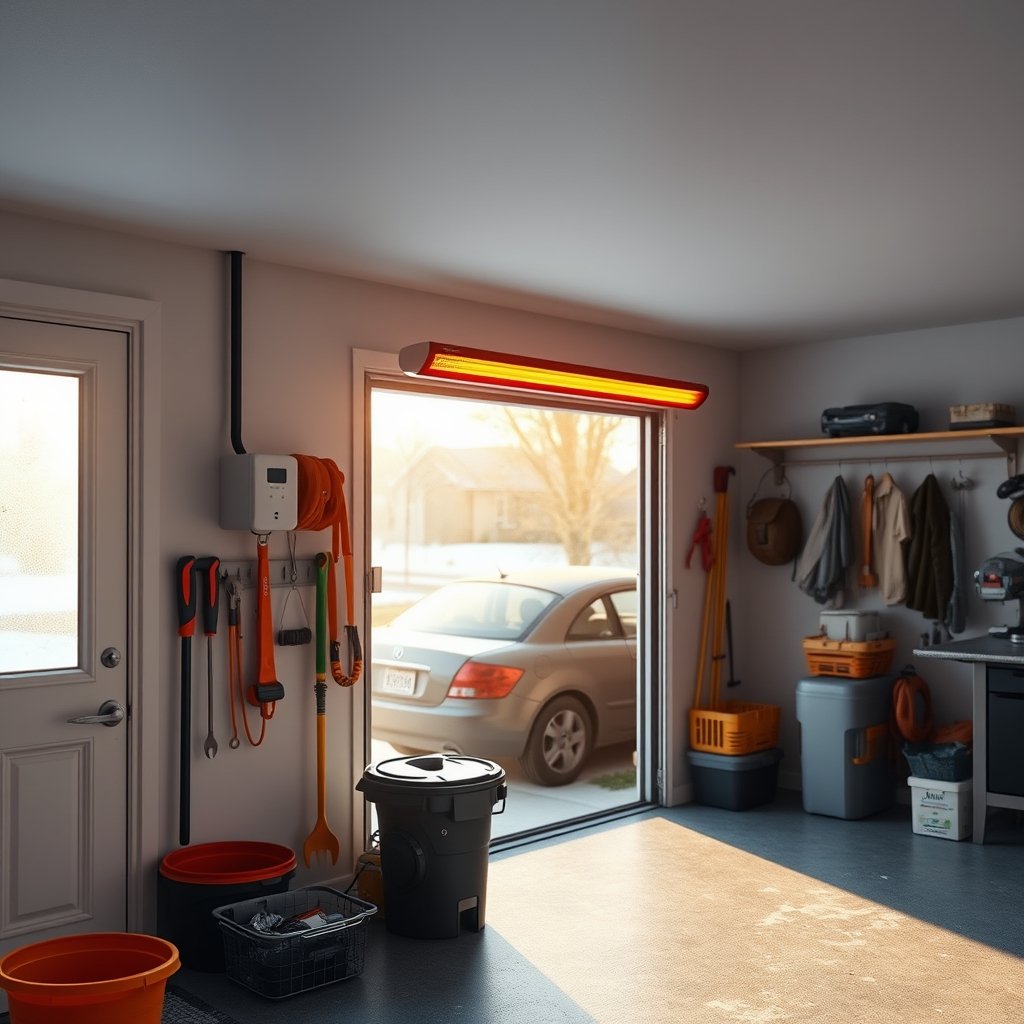
How electric garage heaters perform in 2024 — efficiency, BTU equivalence, and running-cost math
Electric garage heaters in 2024 routinely hit Energy Star efficiency levels of 95% or more. Here’s how to translate that into real-world performance and cost:
- Wattage and BTU: 1 kilowatt (kW) of power gives you about 3,500 British Thermal Units (BTU) of heat per hour. So, a 5,000-watt heater outputs about 17,500 BTU/hr.
- Running cost: At an average U.S. rate of $0.13 per kWh, every 1 kW = $0.13/hour. That’s about $0.45 per 3,500 BTU/hr.
- Example: Running a typical 5kW electric garage heater for 4 hours costs: 5 x $0.13 x 4 = $2.60. Use this formula:
Heater watts ÷ 1,000 x kWh rate x hours used.
If you’re concerned about increasing energy costs, prioritize runtime reduction over endlessly searching for a more “efficient” electric garage heater—since almost all models are already above 95% efficient.
For more tips on controlling energy usage at home, see our home battery backup guide.
Advanced analysis & common pitfalls: model picks, installation hassles & safety mistakes
Here’s what real-world users—and Consumer Product Safety Commission surveys—flag as the most common snags for both electric and portable garage heater buyers:
| Heater Type | Typical Use Case | Major Benefits | Common Complaints | Key Safety Tips |
|---|---|---|---|---|
| Heat Storm Phoenix Wi-Fi Edition (Hardwired) | Full-time workshops or hobby garages, whole-space heating | Strong output, app/remote controls, wall mount frees up floor space | Requires 240V permanent install (hardwiring), mounting is not a casual DIY job, noise on startup | Have a licensed electrician do installation; ensure solid ceiling/wall connection; test safety shutoffs regularly |
| Fahrenheat Portable Fan-Forced Heater | Occasional spot heating; portable use for small projects | No-wiring setup, good for renters, easy to move | Noisy fan, can be tipped over, tempted to use with extension cords despite warnings | Never use with undersized extension cords; always set on stable floor; keep clear of clutter |
| Dreo Whole Room Heater | Medium-size hobby spaces, temporary/backup heat | Digital thermostat, timer functions, quiet operation for a portable | May not heat large garages evenly, cannot be left unattended | Unplug when not in use; check surrounding clearance; use only as directed |
You’ll find these and similar models topping lists at sources like Woodsmith and The Spruce.
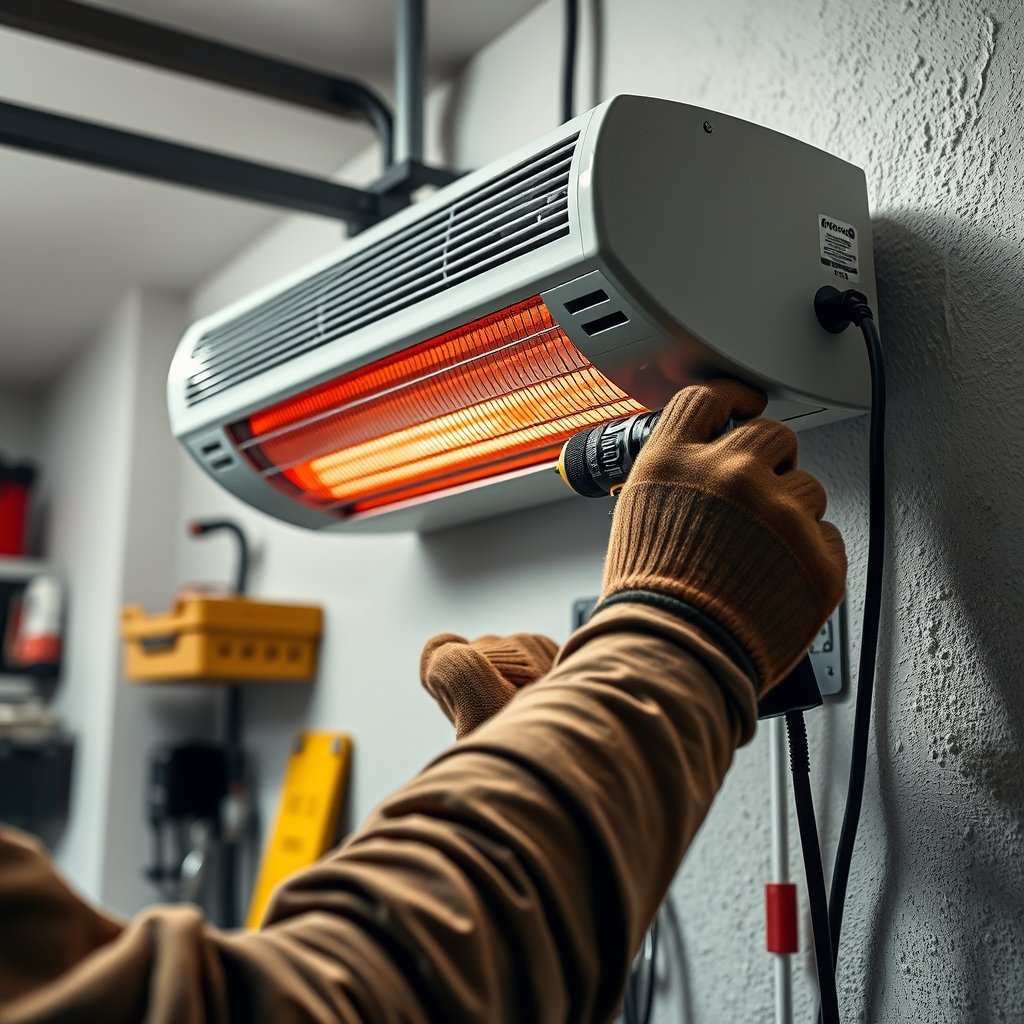
- Pitfall: Hardwiring Hassles — Most high-output electric garage heaters require a new 240V circuit and durable ceiling or wall mounts. DIYers uncomfortable with electrical work should always hire a pro to avoid code violations or fire risk.
- Pitfall: Safety Features Failing — Malfunctioning tip-over switches and thermal cutoffs are a main cause of recalls. Always test your unit—and never bypass these features.
- Pitfall: Extension Cord Temptation — The CPSC regularly reports issues with overheating and even fire when portable heaters are used with cheap or undersized extension cords. Only plug directly into wall sockets rated for the heater load.
- Pitfall: Skimpy Insulation — Reviewers often skip garage insulation. Without it, even the most efficient heater will rack up big energy bills for small comfort.
Combine your electric garage heater with fast, low-cost upgrades: foam board in stud bays, weatherstripping, and foil-faced barriers behind the door or on the ceiling. See these upgrades detailed with step-by-step visuals in our home decor ideas guide.

Conclusion & next steps
The smartest approach for garage comfort and savings is combining a reliable electric garage heater with targeted, low-cost insulation and safe installation steps. Choose a heater sized for your actual insulated space, not for an unsealed garage. Invest most of your time and budget in sealing, insulation, and smart thermostatic controls before hunting for more heater wattage. If your heater requires 240V power, always call a licensed electrician for a safe install. Prioritize models with proven safety features, especially tip-over protection and thermal cutoffs, and routinely check them as part of regular maintenance.
Ready to transform your workspace? Use this checklist to start:
- Check and upgrade your garage weatherstripping, door seals, and wall insulation.
- Choose an electric, hardwired, or portable garage heater sized for your insulated area and usage habits.
- Opt for programmable thermostats or plug-in timers to minimize runtime.
- Always follow installation and clearance instructions—never shortcut safety.
- Review additional energy-saving tips in our ductless mini split heat pump guide and energy-efficient kitchen upgrades.
FAQ
Will running an electric garage heater spike my electric bill?
Your bill depends mostly on runtime and insulation, not just heater efficiency. If your garage is poorly insulated, costs can add up quickly—running a 5kW heater for four hours is about $2.60 each day at average rates. Seal drafts and use smart controls to keep bills down.
Can I plug my electric garage heater into an extension cord?
Most portable garage heaters warn against this. Using an undersized or household-grade cord is a major fire risk and often voids the warranty. Always plug directly into a properly rated wall outlet, or hardwire heavy-duty models as per the manufacturer’s instructions.
Is hardwiring an electric garage heater necessary?
For high-output (usually 240V) heaters, yes—a new dedicated circuit and proper mounting are required for safety and reliability. Smaller portable garage heaters for spot use can be plug-in, but aren’t meant for whole-garage heating.
What can I do to make any garage heater more effective?
Most energy savings come from reducing heat loss, not swapping heater models. Add floor and wall insulation, seal up leaks, and use a timer or programmable thermostat to cut down unnecessary heating hours.
How long will a typical electric garage heater last?
Most sealed-element or ceramic heaters will last 10–15 years if kept clean, dry, and used according to the manual. Regularly check vents, cords, and safety cutoffs to catch wear before it becomes a hazard.
—