

water filter faucet upgrades in the kitchen are one of the fastest, most effective ways to improve drinking water quality for your family—if you avoid the most common pitfalls. But picking the right solution, budgeting for true lifetime costs, and sidestepping tricky compatibility issues isn’t as simple as just shopping off a bestseller list. Here’s what urban and suburban homeowners need to know to confidently choose, install, and maintain the right water filter faucet or under-sink filtered faucet system—before you spend a dime or drill a hole.
Key Takeaways
- The most common sources of extra costs and frustration are overlooked compatibility checks, flow rate drops, and higher-than-expected filter replacement routines.
- First-year costs range broadly—from $150 for simple DIY faucet-mount filters, up to $550+ for professionally installed under-sink systems—but annual maintenance ($100–$130) is a near-universal reality.
- Always check your faucet thread size/pitch, available under-sink space, and whether a new dispenser hole is needed—failure here leads to most product returns and plumbing headaches.
- Quick Recommendation: Faucet-mounted vs Under-sink Filtered Faucet Systems
- Real Upfront Costs: System Price + Installation
- True Ongoing Costs: Filter Replacement & Annual Maintenance
- Top User Complaints and Common Pain Points (and How to Avoid Them)
- Critical Compatibility Checklist (What to Verify Before You Buy)
- Filtration Performance Details Most Top Articles Miss
- Installation Options, When to DIY vs When to Hire a Pro
- Maintenance Schedule and Cost-minimizing Tactics
- Troubleshooting Quick Fixes for the Top Complaints
- What to Ask Manufacturers and Plumbers Before You Buy/Install (Buyer’s Script)
- Short Buyer Checklist & Next Steps
- FAQ
Quick Recommendation: Faucet-mounted vs Under-sink Filtered Faucet Systems
Not all water filter faucet setups are created equal. The two most common solutions are faucet-mounted filters (which attach directly to your existing faucet) and under-sink filtered faucet systems (which hide filters underneath and supply a dedicated filtered tap). Here’s how to decide:
- Faucet-mounted filters are simple, affordable, and often install in minutes—no plumbing required and perfect for renters or budget-minded families. They generally filter out chlorine and some heavy metals, but their contaminant range is narrower. Some add noticeable bulk to the faucet, reduce water flow, and may not fit all thread styles.
- Under-sink filtered faucet systems handle a wider range of contaminants (including lead, VOCs, pharmaceuticals, and sometimes even fluoride via reverse osmosis). These systems deliver higher flow out of a dedicated dispenser, keep the countertop tidy, and are best for homeowners and larger families. But they require more involved installation (often drilling a hole for the dispenser), take up under-sink space, and usually cost more up front.
Typical installed costs: Both types average between $300 and $550 with professional installation (source: Yahoo), though faucet-mounted DIY installs can be under $150–$200 and under-sink DIY jobs $200–$300. Choose faucet-mounted for renters, single-cup use, or light contaminant needs. Go under-sink for families, higher daily use, and heavy contaminant filtering.
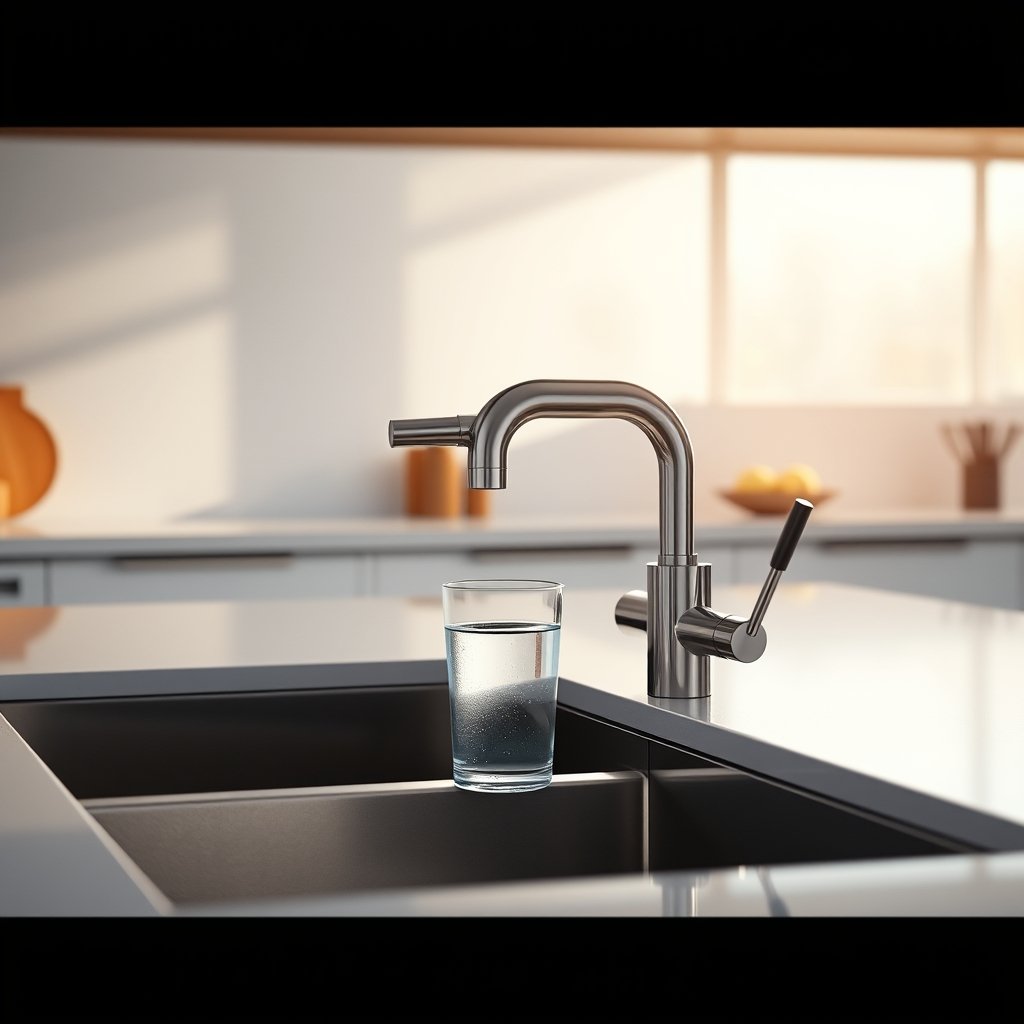
Real Upfront Costs: System Price + Installation
It’s important to budget not just for the initial purchase, but for potential installation charges and hidden extras. Here’s a breakdown:
- System cost tiers: Basic carbon faucet-mounts or single-stage under-sink cartridges cost $50–$120. Mid-range under-sink, multi-stage, and high-flow units typically run $150–$250. Reverse osmosis (RO) or UV premium under-sink models often cost $350–$600+.
- Installation charges: Professional installation for under-sink water filter faucets usually adds $300–$550 (average $550, source). DIY-friendly kits and faucet-mounts can often be installed for $150–$200. Add $50–$200+ if you need custom plumbing modifications or to drill a hole for a new faucet/dispenser.
- Real-world example: A budget carbon filter: $90 (unit) + $75 (DIY install) + $50 (first-year filters) = about $215. A mid-range under-sink RO: $350 (unit) + $200 (DIY/pro install) + $80 (first-year filters/membranes) = about $630.
Factor in extras: specialty adapters, hole covers, or supply line parts can add $20–$60. If hiring a pro, always get a written quote that details possible upcharges for modifications.
True Ongoing Costs: Filter Replacement & Annual Maintenance
Don’t ignore recurring costs—a big pain point for families. Here’s the reality for a typical household of four:
- Sediment/carbon filter cartridges (the most common): Replace every 3–12 months. Expect to spend $50–$150 annually per system (source).
- Reverse osmosis (RO) membranes: Replace every 2–5 years ($50–$200 each), but pre- and post-filters still need 6–12 month swaps.
- Service/repair costs: Major leaks, persistent low flow, or professional maintenance runs $100–$300 per visit, though most users handle basic filter changes DIY.
- Annual estimate: For most kitchen water filtration users, plan $100–$130 per year (sometimes up to $200 for larger families or heavy use).
Avoiding skipped filter changes is essential—not only for water quality, but also because expired filters can breed bacteria and lead to clogs/leaks.
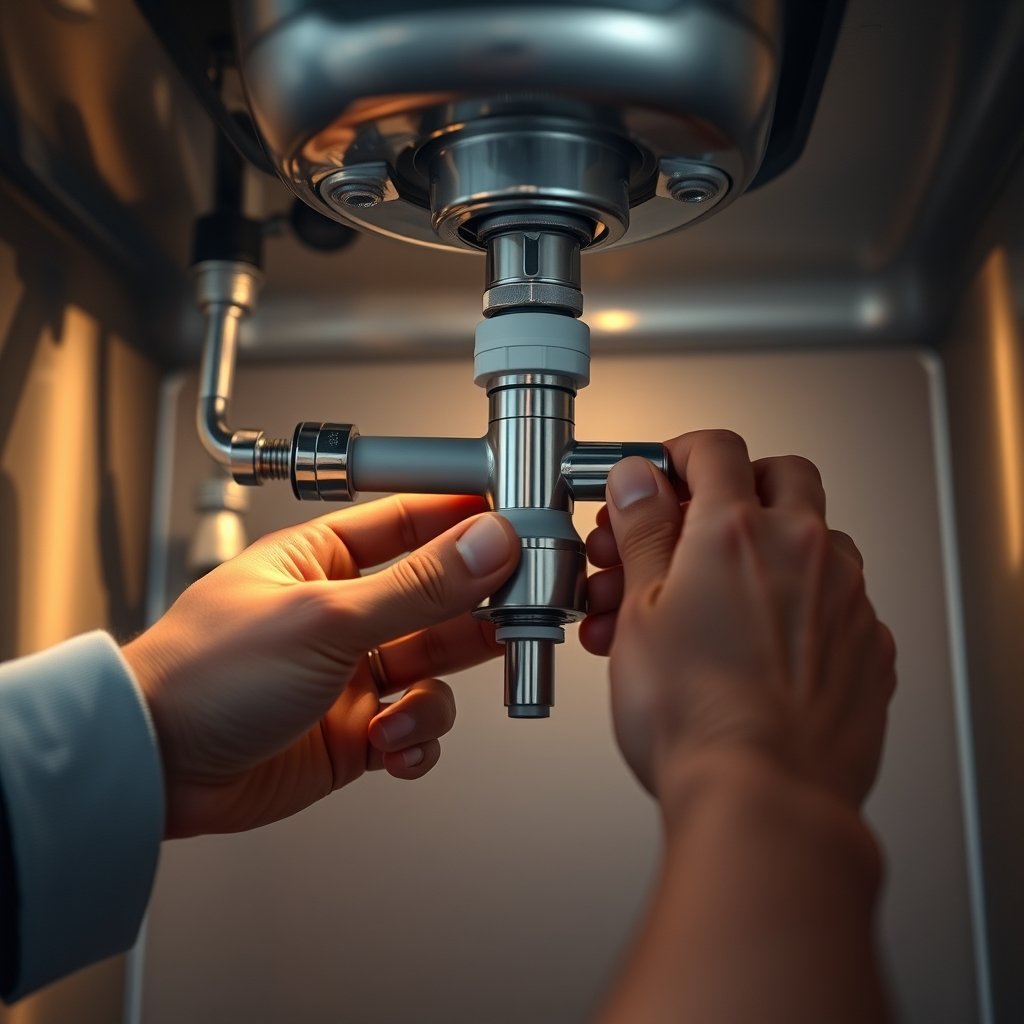
Top User Complaints and Common Pain Points (and How to Avoid Them)
Beneath the positive reviews, most water filter faucet problems stem from overlooked details:
- Reduced flow/pressure: Multi-stage and RO filters particularly can cut the water flow at your filtered tap to a trickle. This is normal but can’t be fixed easily—always ask about GPM (gallons per minute) at household pressure before buying.
- Frequent replacements: Filtration claims are based on lab test conditions. In real kitchens, dirty source water and high family use mean filters often need changing sooner than advertised.
- Fit/space headaches: Many faucet-mount filters don’t fit specialty or pull-out faucets; under-sink systems may not fit in crowded or shallow cabinets. Plan before buying.
- Leaks at connections: The culprit is usually misaligned washers or incompatible adapters—never force parts that don’t fit smoothly.
- Drilling required: Most under-sink filtered faucet systems require a new hole in the deck or sink for the dispenser; this can’t always be DIYed, especially with stone or composite tops.
Nearly all major complaints in third-party reviews mention low flow/pressure, filter fit issues, or the costs of repeated filter changes. Most issues could be avoided with five minutes of compatibility and measurement checks before purchase.
| Issue | Typical Cause | Prevention/Fix |
|---|---|---|
| Low flow/pressure | Clogged filter, multi-stage restriction | Replace filters on time, check PSI, ask about flow before buying |
| Leaking connections | Improper adapter, misaligned washers | Use correct adapters, tighten connections correctly |
| Difficult fit/space | Large filters, tiny cabinets | Measure under-sink space ahead, check filter dimensions |
| Frequent cartridge changes | High usage, bad source water | Buy multi-packs, check water quality |
| Need for drilling | No existing faucet hole | Check sink/deck material, plan for pro help if stone/composite |
Critical Compatibility Checklist (What to Verify Before You Buy)
This is the #1 area where quick purchases turn into days-long headaches (or costly returns). Be relentless: verify these points before you spend anything.
- Faucet thread size and pitch (metric vs imperial—take a photo and a caliper to hardware store if unsure)
- Available under-sink space: measure cabinet depth, width, and obstructions like garbage disposal or pipes
- Cold vs hot water supply: Most systems only filter cold; confirm lines/splitters as needed
- Tank/reservoir clearance (for RO): Know the tank diameter and required clearance ahead of time
- Deck hole present? If not, check material type (metal, granite, composite) and complexity of drilling a new hole
According to multiple reviews and cost reports, compatibility issues are a top reason for product returns and negative reviews (reference). Take time for these checks—most “top 10” articles skip them entirely.
Filtration Performance Details Most Top Articles Miss
Marketing claims rarely mention that multi-stage cartridges and RO membranes can cause visible pressure drop and slower flow at the tap. Worse, activated carbon media gradually lose effectiveness (especially if your water is sediment-heavy), leading to earlier filter changes than predicted. Here’s what matters:
- Pressure drop: Every extra stage or tighter filtration slows tap flow. For many kitchen water filtration models, flow rate drops 20–50% versus unfiltered—but you can ask for GPM ratings at household PSI from the manufacturer.
- Certifications: Look for NSF/ANSI labels with the actual contaminant reductions relevant to you—not just a generic “certified” claim. Lead, chlorine, VOCs, PFAS and microbial removal each have specific codes; don’t assume all filters are equal.
- Activated carbon decline: These filters “wear out” based on your water’s actual sediment and chemical load—installing a cheap pre-filter can stretch cartridge lifespan and sharpen taste results.
Always verify that the replacement filters you’ll need are easy to source (online, local hardware) and aren’t locked into high-cost proprietary designs.
Installation Options, When to DIY vs When to Hire a Pro
Here’s when to pick up the tools—and when hiring a plumber is just smarter:
- Good DIY projects: Faucet-mounted or inline cartridge swaps, installs that use existing faucet holes, and most basic under-sink kits if you have basic hand tools and some home plumbing confidence.
- Hire a pro for: Under-sink RO, multi-stage, or UV systems; any install involving drilling through stone/composite counters; complex under-sink plumbing rerouting; older homes with stubborn shutoff valves.
- Pro install cost: $150–$400 for simple installs; up to $550 (or more) for complex setups (source).
- DIY savings: Most families can save $150–$350 if the system fits their sink out-of-box.
If in doubt, get quotes from two local plumbers describing your specific sink, countertop material, and intended filtered faucet system.

Maintenance Schedule and Cost-minimizing Tactics
Sticking with your maintenance schedule prevents low flow, nasty taste, and surprise expenses. For most under sink water filter systems and filter faucets, use this routine:
- Every month: Quick visual leak/fitting check, run water for 1–2 min to flush sediment
- Every 6 months: Replace pre-filters, main carbon cartridges, and inline taste/odor filters (or sooner if taste/flow drops).
- Annually: Deep clean/sanitize the system, check all lines for leaks or hardening, and (for RO systems) check membrane status.
- Every 2–5 years: Replace RO membrane or specialty filters as per manufacturer’s guidance.
Cost-saving tactics:
- Buy filters in multi-packs (search for your model’s compatible generics).
- Install a basic mesh pre-filter if you have hard water or lots of sediment—extending main cartridge life.
- Flush new cartridges with a few gallons of water before first use to maximize taste and lifespan.
- Consider pairing water-softening if you have heavy scaling—this keeps filter pores clearer for longer.
Most kitchen water filtration users with average use should budget $100–$130 per year for total maintenance and replacements.
See more kitchen ideas that improve functionality here.
Troubleshooting Quick Fixes for the Top Complaints
- Low flow/pressure: Check your household water pressure (ideal is 40–70psi). Replace clogged pre-filters or main cartridges. If an RO system, try bypassing the post-filter briefly—if flow returns, it’s time to change filters.
- Leaks at the dispenser/fittings: Inspect O-rings and washers. Tighten connections gently. Use a dab of food-safe plumber’s grease on rubber seals. If persistent, you may need a new fitting or teflon tape.
- Faucet-mount fit problems: If factory adapters don’t fit, try a specialty universal adapter (sold at hardware stores and online). Take photos of your faucet and threads before seeking help.
- Drilling dilemmas: Some composite or steel sinks need special bits or pro tools to avoid cracking. If you don’t have an existing hole, check if there’s a knock-out on your sink first before attempting to drill.
Note: Most filter faucet complaints are about low flow or leaks. Addressing these first, before calling a pro, can save you time and money.
See our touchless kitchen faucet guide if you are looking to combine water filtration with modern convenience.
What to Ask Manufacturers and Plumbers Before You Buy/Install (Buyer’s Script)
- What is the exact faucet thread size and pitch required for this filtered faucet system or adapter?
- Is the system NSF/ANSI certified for all contaminants I’m concerned about (lead, PFAS, chlorine, bacteria, etc)?
- What is the expected GPM (gallons per minute) flow rate and pressure drop at my household pressure?
- How long should each filter last based on typical city/suburban water, and how easy are replacements to source?
- Is drilling a hole required for installation? What is the warranty and return policy if I have compatibility issues?
- Can I get a written cost estimate for full professional install, including drilling and possible plumbing modifications?
Insisting on written, specific answers up front greatly reduces the chance of costly surprises and returns.
Want more functional decor upgrades? See our home decor ideas guide.
Short Buyer Checklist & Next Steps
- Measure your faucet thread size (take a photo or sample to hardware store for adapters, if needed)
- Carefully measure your under-sink space (account for disposals or pullout bins)
- Check your home’s water pressure (a simple $10 gauge saves major troubleshooting later)
- List your top water contaminants of concern and the NSF certifications that matter to you
- If not confident: get two quotes for professional install, describing sink/countertop material and line routing
Budget for first year: System purchase plus install = $150–$550 (DIY vs pro), plus annual maintenance $100–$130. Print or screenshot the Compatibility Quick-Check above before shopping online or at a hardware store.
Ready to enjoy safer, better-tasting water? Measure, confirm compatibility, then confidently order your new water filter faucet—or book a pro for installation. For more small space tips, check our modular kitchen storage guide.
FAQ
How often do I really need to change my water filter faucet cartridge?
Most cartridges (carbon/sediment) should be replaced every 6–12 months, depending on usage and local water quality. Heavy-users or poor source water may require more frequent changes. Mark your calendar at install—skipping this step leads to bad taste and even bacteria issues.
What if my filtered faucet system requires drilling a hole, but I have a stone countertop?
Drilling stone, granite, or composite is best left to pros or fabricators. Some kits let you use existing deck holes (like soap dispenser cutouts), which is a good alternative. Never try to drill stone countertops with regular tools.
Can I install an under sink water filter if my cabinet is crowded with a garbage disposal or pullout trash?
Absolutely, but you must carefully measure depth, width, and clearances—most returns happen when tanks or filters don’t fit. Optionally, look for compact or tankless designs or move the trash bin if needed.
Are faucet-mounted filters effective for lead or PFAS?
Some faucet-mount filters are certified for lead removal, but check the specific NSF/ANSI certification; PFAS is rarely filtered without multi-stage or under-sink RO systems. Always verify with the manufacturer for your target contaminant.
How can I minimize maintenance costs on my kitchen water filtration system?
Buy filter cartridges in multi-packs, flush the system per manufacturer guidance, and add a mesh pre-filter if you have heavy sediment. Regular checks and cleaning can extend cartridge and membrane lifespan significantly.