

### Blog Post:
Vertical vegetable garden solutions are rapidly transforming how city dwellers grow fresh food in limited spaces, but many gardeners still wonder: does it truly deliver more yield and value than traditional garden beds, and what critical issues should you watch out for before starting?
Key Takeaways
- Vertical vegetable gardens can boost yields per square foot and optimize small spaces but may face serious setup and maintenance challenges.
- Main limitations include higher upfront investments, uneven watering or lighting, and trouble growing larger vegetable varieties.
- Smart planning, crop selection, and honest assessment of vertical system pros and cons will ensure the best results for your space.
- What Is a Vertical Vegetable Garden and Why Use One?
- How to Create Your Own Vertical Vegetable Garden: Step-by-Step Guide
- Advanced Analysis and Common Pitfalls in Vertical Vegetable Gardening
- Conclusion
- Frequently Asked Questions
What Is a Vertical Vegetable Garden and Why Use One?
A vertical vegetable garden is any gardening system where edible plants are grown on stacked shelves, hydroponic towers, or wall-mounted planters instead of traditional horizontal ground beds. This approach is designed to maximize harvests in small spaces such as balconies, patios, and even indoors. With food growing needs evolving in urban areas and micro homes, vertical gardening offers a lifeline for aspiring growers with little land or sunlight.
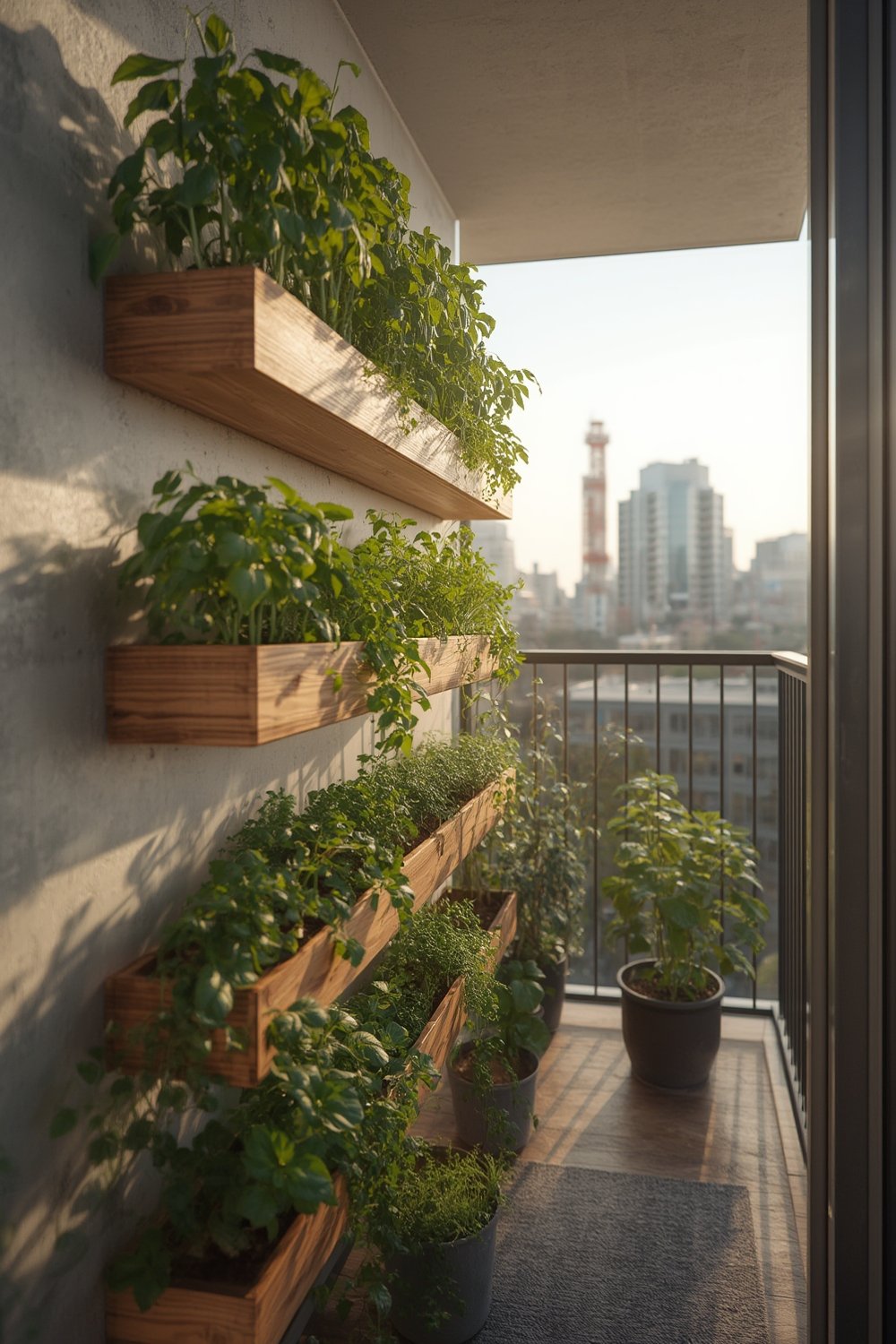
Recent data shows vertical hydroponic farms can deliver 20–30 times more yield per square meter per year versus open-ground beds. One system achieved 80-120 kg of lettuce per m² annually, dramatically higher than the 3.9 kg/m²/year from open fields (study source). That makes vertical gardens compelling for renters, condo owners, or anyone seeking a home-grown food supply without a yard.
Beyond food security and space-saving, vertical gardening also cuts water use and can reduce pest problems when using soilless or indoor systems. This method easily pairs with modern small space decor and garden organization ideas, helping you turn plain balconies into vibrant, functional zones. For additional garden ideas that make outdoor spaces feel effortless and inviting, vertical vegetable gardens are a trending option.
How to Create Your Own Vertical Vegetable Garden: Step-by-Step Guide
Ready to try vertical gardening at home? Whether you plan to use DIY wall pockets, a premade hydroponic towers, or modular stacking planters, follow these steps for a smoother experience and better yields.
- Assess and measure your space. For balconies or small patios, take careful measurements of wall area, railings, and secure surfaces. Note sun exposure and wind direction. If you’re indoors, be realistic about supplemental lighting needs.
- Choose your vertical planter style. Wall-mounted felt pockets? Stackable pots? Hydroponic towers? Each has specific pros and safeguards. For stylish, small space decor, wall-mounted planters double as art but need careful weight management. Not sure? See inspiration in our modern home decor ideas post.
- Select your vegetables wisely. Lettuce, spinach, kale, herbs, strawberries, and dwarf tomatoes thrive in vertical systems. Root crops, bush beans, and squash may not. If unsure about space planning, check our small garden design tips for lean planting strategies.
- Invest in quality soil or a soilless mix. For soil-based systems, use a lightweight potting mix with good drainage. If hydroponic, follow kit instructions on nutrients and pH control. Arrange your toughest plants towards the top, as they’ll dry out fastest.
- Install an efficient irrigation system. Most vertical gardens fail due to uneven watering. A gravity-fed drip kit or programmable mister lowers water use and keeps roots hydrated. If hand-watering, focus more time on the highest tiers.
- Set up proper lighting. For balconies or indoors, supplement cloudy spots with energy-efficient LED grow lights. Remember: vertical stacks block sunlight for lower rows, so rotate planters or adjust lighting as needed.
- Secure structural safety. For balcony installations, check your railing’s weight limits and use wall brackets rated for at least 1.5–2 times the maximum wet weight of your setup.
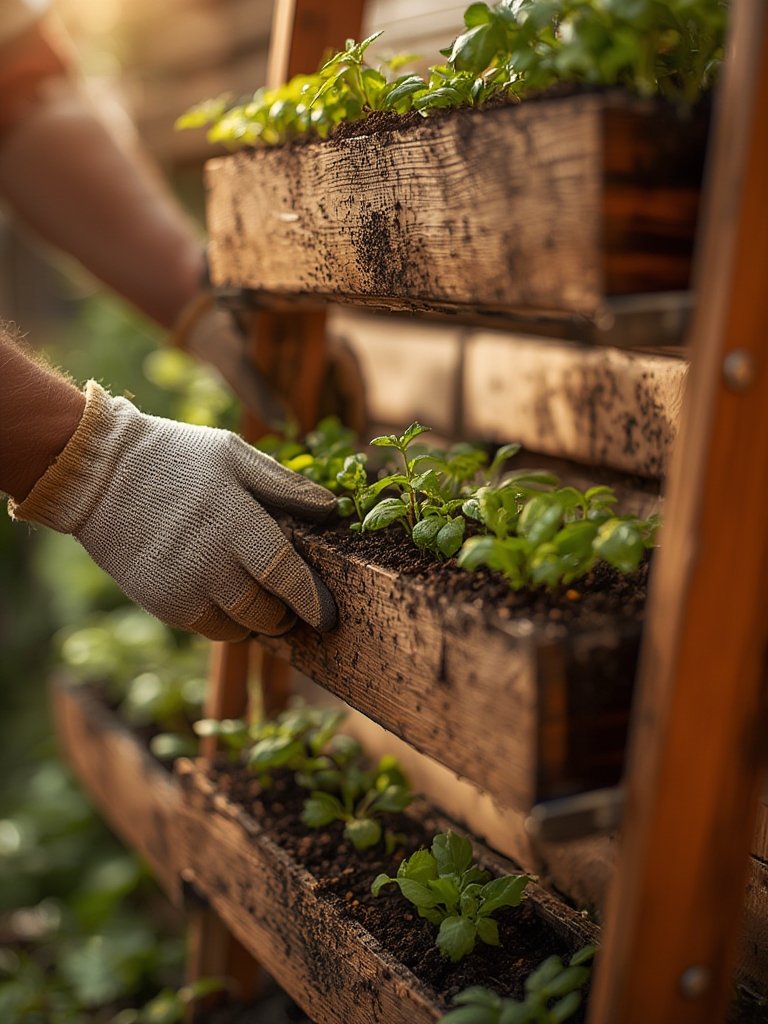
- Transplant starts or sow seeds. Wet the medium, then install seedlings. Top-water gently the first week for good root contact, then switch to regular drip or mist cycles.
- Monitor and maintain. Watch for signs of uneven watering, yellowing leaves, or pests. Harvest from the top down for stability. Monthly, flush the system to prevent salt or algae buildup.
- Rotate crops and reset between seasons. Regularly replant or rotate crops to replenish nutrients and break pest cycles. This brings perpetual harvest—one of the biggest productivity advantages of the vertical method (cited here).
For detailed inspiration on using vertical gardens to complement plant-friendly home style, see our pet-friendly home ideas as well, since elevated planters protect greens from curious paws.
Advanced Analysis and Common Pitfalls in Vertical Vegetable Gardening
Vertical gardening promises dense harvests, but there are real-world caveats—especially if you’re comparing against well-managed horizontal growing systems.
| Vertical System | Horizontal/NFT System |
|---|---|
| Yields 20–30x more per square meter compared to open field (study); allows up to 3x plant density vs ground beds. | Optimized horizontal NFT outperforms vertical towers for total plant sites and annual yield with >40,000 extra plants/year (source). |
| Best for leafy greens, microgreens, strawberries, and herbs. Limited to compact, shallow-root crops. | Accommodates root crops, bushier vegetables, and wider variety. More flexible for big harvests per footprint. |
| Uses up to 98% less water than traditional gardening (fact). | Water efficiency depends on system; more space means more evaporation and runoff. |
| Setup often costs more up front (quality towers, drip kits, grow lights, supports). | Greater long-term real estate and utility costs, but cheaper soil/pots and less specialized hardware needed. |
| Maintenance can be tricky: Height reduces access, inconsistent watering/lighting, pump repairs. | Easier access and uniform light; simple tools handle most issues. |
- Uneven Watering & Nutrients: Top planters dry out the fastest; lower pots may become waterlogged or nutrient-deficient without well-calibrated irrigation.
- Lighting Shortfalls: Lower rows in tall systems or on north balconies receive less sun—expect some stunted, leggy growth without supplemental LEDs.
- Structural Load: Wet potting mix plus plants plus water means considerable weight. Wall brackets or balcony rails must be checked—never overload drywall or old balcony beams.
- Limited Crop Types: Large tomatoes, potatoes, peppers, beans, and squash are rarely suitable for vertical towers or wall gardens.
- Complex Setup: You may need strong pumps to move water vertically, especially for hydroponic setups. Energy bills can spike if using lighting on multiple tiers.
- Cost Transparency: There is no simple average for total installation; variables include number of tiers, materials (plastic vs. ceramic vs. metal), need for automated watering, and lighting. Budget at least $70–$200 for basic starter kits, and more with premium or hydroponic models.
- Harvest and Maintenance Access: Reaching upper rows for regular care or harvest can be awkward, especially for shorter users or wall-mounted systems above shoulder height.
If low-effort gardening is a priority, see low maintenance garden tips here for more practical approaches to organizing outdoor spaces.
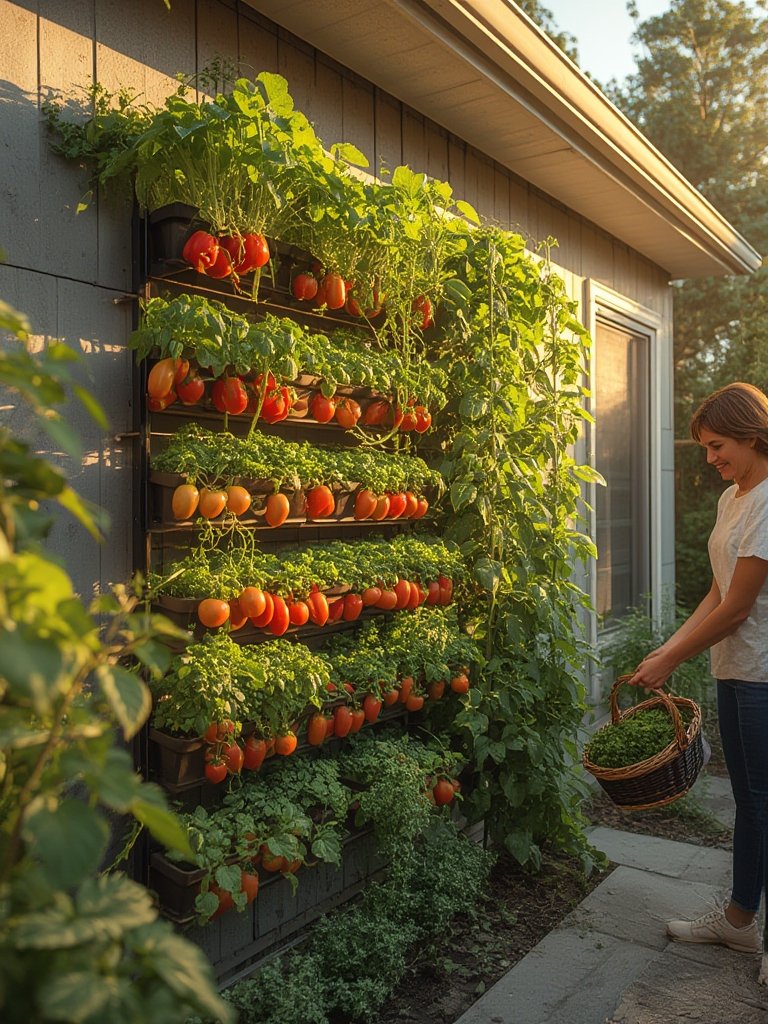
In summary: If you focus on compatible crops, invest in smart irrigation, and install supports correctly, vertical vegetable gardens offer great value. But if maximum harvest or lower cost is your only priority, review horizontal alternatives before choosing.
Conclusion
The vertical vegetable garden is an exciting, modern solution for growing food in places once thought impossible. While yields per square foot can dramatically outperform traditional beds, you must weigh the extra setup challenges, material costs, crop limitations, and daily maintenance demands. By honestly assessing your space, goals, and gardening energy, you can tailor a vertical system that delivers beauty and homegrown harvests for years. Ready to transform your space? Start planning your vertical vegetable garden today and discover just how much food small spaces can produce.
Frequently Asked Questions
Can I grow tomatoes, peppers, or cucumbers in a vertical vegetable garden?
Most compact herbs, greens, and strawberries work best. Large crops like tomatoes or peppers need more space for roots and weight support, so only try them in heavy-duty towers or deep wall planters designed for big plants.
How much weight can a wall-mounted vertical garden hold?
This varies by product and wall type, but always ensure each bracket or anchor supports at least 1.5–2 times the fully watered weight. For drywall, use heavy-duty anchors and never exceed the manufacturer’s limit. When in doubt, under-fill higher rows.
How often should I water a vertical vegetable garden?
Check the top row daily; upper planters dry out the fastest. Automated drip systems on a timer cycle are best. For soil-based systems, water often enough to keep roots moist but never soggy.
Is vertical gardening cheaper than traditional gardening in the long run?
The initial cost for quality vertical systems can be higher than traditional beds, but water savings and the ability to use less space can save money if you plan long-term and maximize each harvest cycle.
Are there vertical garden designs for very small balconies or apartments?
Yes. Choose narrow wall planters, modular rails, or stacked pots. Hydroponic towers with slim footprints make vertical growing possible on balconies just a few feet wide. For more decor ideas in small spaces, see our functional small space decor guide.