

Raised garden bed kits are transforming the way people grow vegetables and flowers at home, offering a fast, accessible path into modern gardening for beginners and seasoned growers alike. But with demand up and market choices booming in 2024, it’s important to cut through the hype and know how these kits work, what to expect, and how to avoid costly mistakes.
Key Takeaways
- The global market for raised garden bed kits grew over 27% online from 2022 to 2024, with modular options driving much of the increase.
- Most users choose kits for vegetables, thanks to easier soil management and fewer weeds, but setup and durability can vary widely.
- Metal, wood, and plastic kits each have their own maintenance demands—no option is completely maintenance-free.
- What Are Raised Garden Bed Kits and Why Use Them?
- How to Set Up Raised Garden Bed Kits: Step-by-Step Guide
- Advanced Analysis & Common Pitfalls
- Conclusion
- Frequently Asked Questions
What Are Raised Garden Bed Kits and Why Use Them?
Raised garden bed kits are pre-packaged systems designed to let you quickly assemble above-ground planting beds for vegetables, herbs, or flowers. These kits are popular because they save time, avoid messy digging, and help manage soil quality. In 2024, demand for raised beds is rising fast—more than 195 million beds are now in use globally, with 72 million U.S. households gardening and a third using raised beds. Most gardeners cite increased yield, easier weed control, and back-friendly ergonomics as their top reasons for switching.[Source]
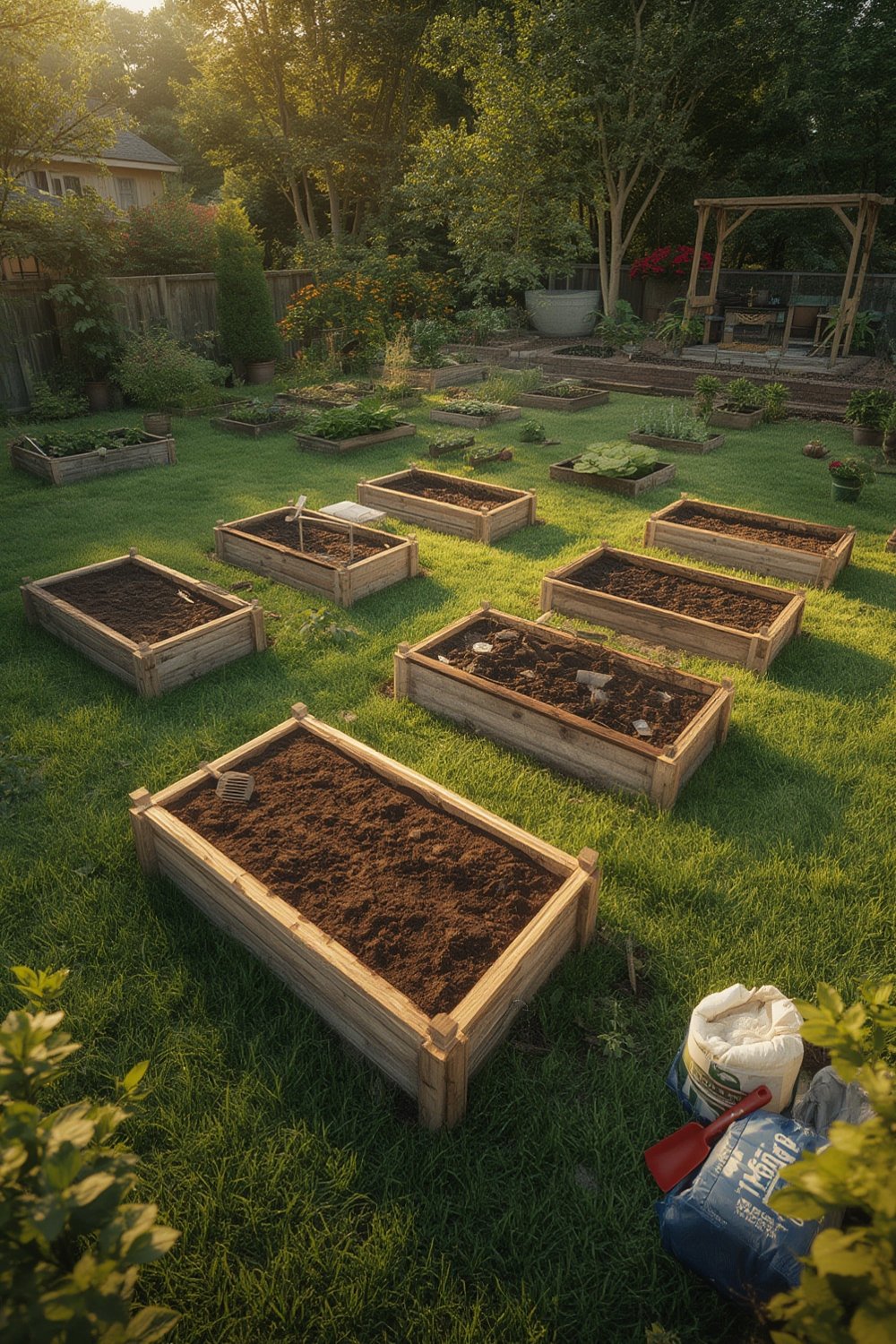
Options include metal, wood, or plastic, with modular and irrigation-ready options growing fastest—modular kits alone surged 38% from 2022 to 2024.[Source] Prefab raised garden bed kits can be assembled with basic tools, making sustainable garden upgrades realistic even for those short on free time or backyard skills.
Pairing functional garden pieces with modern garden ideas or small space design helps maximize results, especially if you love efficient, low-maintenance gardening.
How to Set Up Raised Garden Bed Kits: Step-by-Step Guide
Installing a raised garden bed kit doesn’t require pro skills—just patience, the right location, and some simple planning. Here’s a straightforward, fail-safe approach:
- Choose your site. Look for level ground with 6+ hours of sunlight. Avoid waterlogged or root-heavy spots.
- Unpack and check your kit. Verify you have all panels, screws, and, if included, corner brackets or hardware.
- Measure and mark the area. Use a tape or string to outline the kit’s size on the ground so you know exactly where it goes.
- Prepare the surface. Remove weeds and sod. Some gardeners add a layer of cardboard to suppress weeds or a sturdy landscape fabric for extra control.
- Assemble the frame. Most raised garden bed kits snap or screw together. Follow the included instructions. Place the assembled frame in your marked area.
- Level and anchor. Adjust the frame to sit flat. Metal and tall beds often benefit from secondary anchoring in windy areas. Adjust until square before filling.
- Fill with soil mix. Use a 50-50 blend of compost and topsoil for most veggies, or specialty mixes for herbs or flowers.
- Water thoroughly. After planting, give your bed a deep watering so roots settle in.
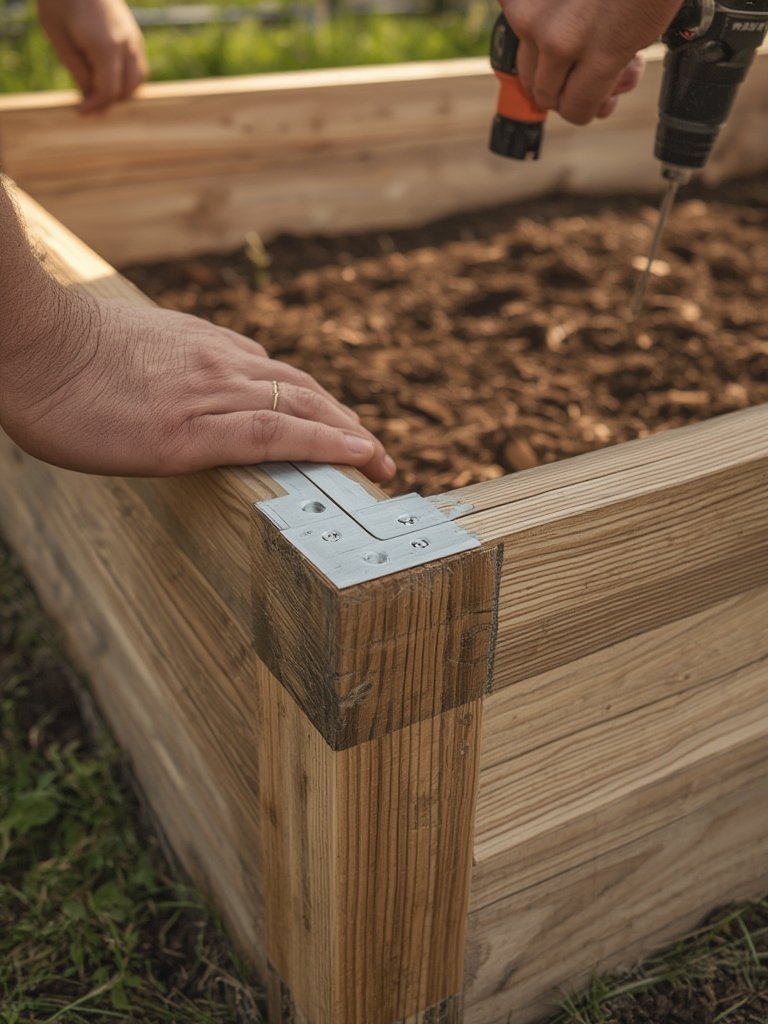
Integrating elements from trellis panels or vertical plant walls—can make your raised bed a true highlight in any small backyard or patio setting.
Advanced Analysis & Common Pitfalls
The latest data shows the raised garden bed market is robust, but some common issues can affect even the best kits. Here’s what users and market stats reveal about real-world performance in 2024:
- Costs: Wood kits dominate U.S. sales (USD 0.14 million in 2024), but high ongoing maintenance costs can be an unexpected problem. Metal and plastic kits are often advertised as lower-maintenance, but data on long-term costs in 2024 is notoriously sparse.
- No “Easy Assembly” Standard: Despite marketing, little verified information is available about which kits actually assemble fastest or easiest—you still may face alignment challenges or missing hardware, regardless of brand.
- No Single Material Wins on Durability: No robust studies compare metal, wood, and plastic kits for lifespan or performance. Expect all to need some upkeep, such as replacing fasteners, sanding, sealing, or treating corrosion.
- Yield Gaps Unproven: There is no expert data showing modular raised beds boost your harvests versus classic beds, although modular beds are booming—up 38% in two years.
| Material | Pros | Cons | Common Maintenance |
|---|---|---|---|
| Wood | Easy to customize; natural look; widely available | Prone to rot; needs regular sealing; can splinter | Annual sealing; board replacement every 3-5 years |
| Metal | Longer-lasting; sleek modern look; resists warping | Can rust if coating fails; sharp edges if poorly made | Check for rust and repaint chips; tighten bolts annually |
| Plastic | Lightweight; won’t rot or rust; easy to move | Can fade or crack in sun; less sturdy for tall beds | Rinse off algae/dirt; check UV protection; reinforce joints as needed |
None of the top brands currently report on real warranty terms, simple assembly, or after-sales support. Always plan for a little more setup time than promised, and expect to maintain any kit for years of peak performance. For more inspiration on low-maintenance outdoor upgrades, review these garden organization tips to streamline your setup and harvest.
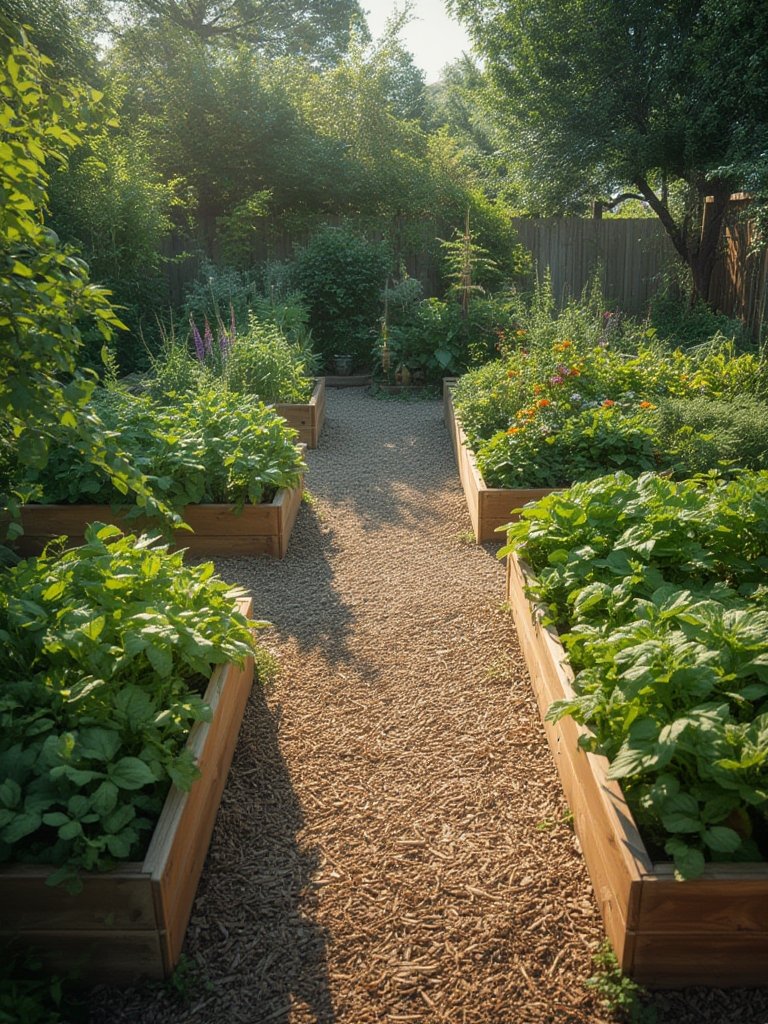
When planning your raised beds, consider how layout, sunlight, and irrigation fit together—strategies echoed in kitchen organization and pet-friendly home designs for high-function spaces.
Conclusion
Raised garden bed kits let more people than ever grow healthy food and flowers at home with efficiency and style. The market is expanding, modular and irrigation-ready beds are up, but no kit is free of work—assembly, maintenance, and placement all matter. Do your homework, start with one bed, and expand as you learn what fits your space and gardening habits. For more home improvement inspiration beyond the garden, check out these home decor ideas. Ready to get growing? Shop, start with a single raised garden bed kit, and watch your space—and skills—grow.
Frequently Asked Questions
How long do raised garden bed kits last?
This depends on material. Wood kits can last 3 to 7 years with regular upkeep. Metal kits often last 5 to 15 years if rust spots are sealed quickly. Plastic units may last 5 years or more, but can fade or crack with sun exposure.
Are raised garden bed kits worth it for beginners?
Yes, they are ideal for garden beginners—especially kits with clear assembly instructions. Raised beds help with soil quality, weed control, and make gardening easier if you have limited space or back problems.
Can I assemble a raised garden bed kit solo?
Most small and medium kits can be assembled by one person in one to two hours. Larger or metal beds may require an extra pair of hands, especially for lining up panels and anchoring.
What soil is best for raised garden beds?
A mix of half compost and half topsoil is best for most vegetables. Some crops and herbs benefit from sandier or more acidic mixes. Avoid regular yard soil to maximize your yield.
Do raised garden bed kits need lining?
Lining is optional, but a weed barrier (like landscape fabric or cardboard) can reduce weeding. Metal beds especially benefit from a liner edge to prevent soil contact with metal sides and reduce corrosion risk.