

### Blog Post:
Modular kitchen storage is revolutionizing how people organize, access, and upgrade their kitchens—blending style, function, and adaptability to meet the demands of modern living.
Key Takeaways
- The modular kitchen storage market is growing rapidly, with a focus on space-saving solutions and improved accessibility.
- High costs, market fragmentation, and ongoing maintenance are common hurdles for homeowners exploring modular storage upgrades.
- Smart design and realistic planning can help avoid most pitfalls and ensure your kitchen storage investment pays off in daily convenience.
- The Core Concept: What Makes Modular Kitchen Storage Special?
- How to Upgrade Your Kitchen: Step-by-Step Guide
- Advanced Analysis & Common Pitfalls
- Conclusion
- Frequently Asked Questions
The Core Concept: What Makes Modular Kitchen Storage Special?
Modular kitchen storage refers to a customizable system of shelves, cabinets, drawers, and organizers that can be tailored to fit any kitchen layout. Unlike older kitchens with fixed shelving and limited adaptability, modular systems are assembled from prefabricated units that allow homeowners to create efficient, functional workspaces suited to their exact needs. In 2024, these systems are especially valued for maximizing every inch in apartments and open-plan homes, accommodating modern cooking habits, and supporting busy lifestyles.
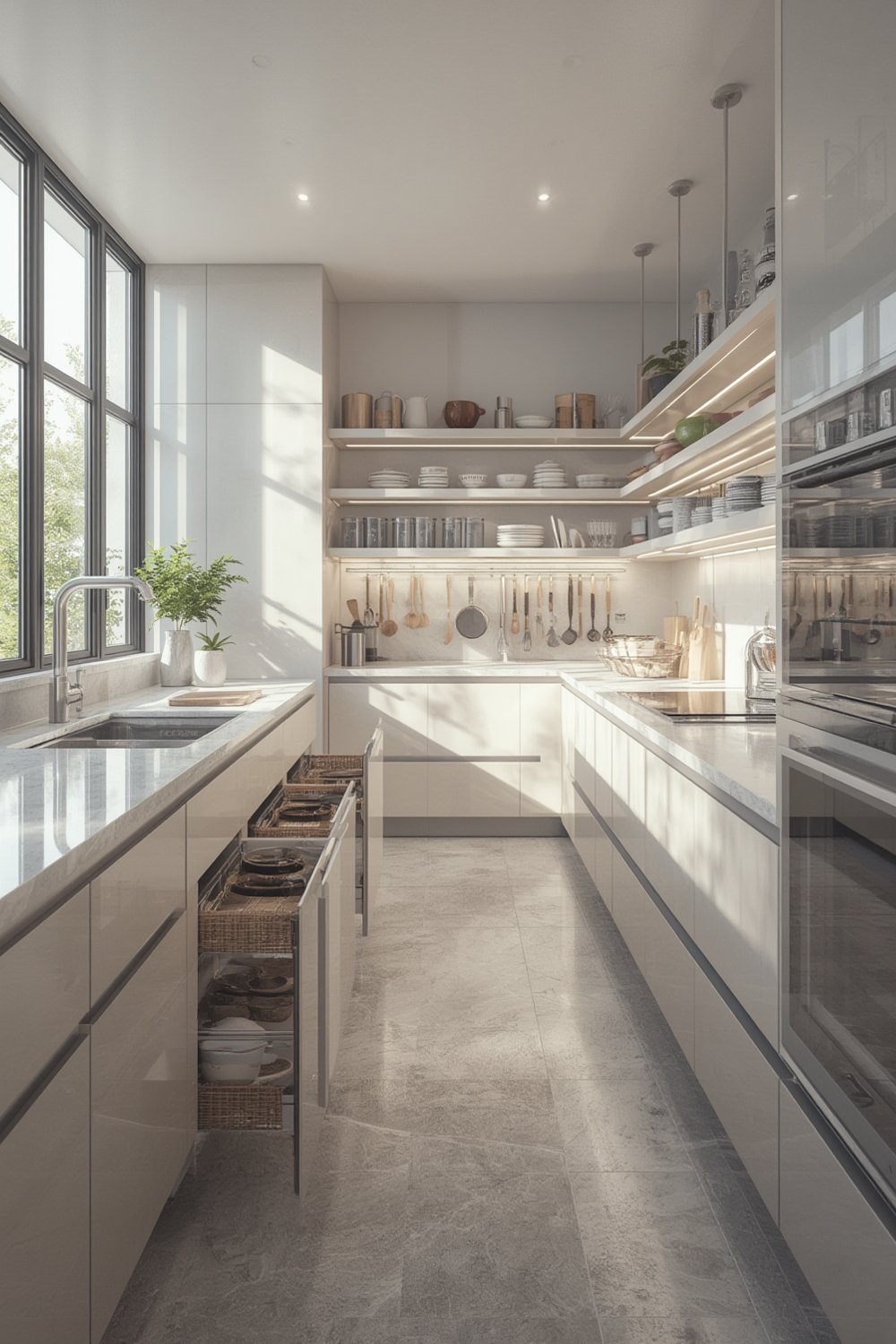
According to recent research, the global modular kitchen market hit USD 37.5 billion in 2023 and is projected to rise to USD 53.5 billion by 2032. Growth is largely driven by the need for space saving solutions like floor drawers, pull-out baskets, and wall cabinets in both new residential projects and urban apartments. The best part: you can combine organizers, dividers, and storage modules to suit how you cook and live—making even small kitchens highly efficient.
Curious how modular design helps transform daily routines? Many homeowners report faster meal prep, easier cleaning, and less visual clutter simply by adding adjustable organizers or swapping standard shelves for drawer systems. Furthermore, with design options ranging from contemporary to classic, modular storage also helps kitchens stay visually unified with the rest of your modern home decor choices.
How to Upgrade Your Kitchen: Step-by-Step Guide
Ready to see real improvements in your kitchen? Here’s a realistic, actionable plan that works whether you want a full renovation or incremental upgrades.
- Assess Your Current Storage: Take inventory of every drawer, cabinet, and pantry space. What stays cluttered? Which items are hard to reach?
- Set Your Priorities: Decide if maximizing space, improving accessibility, or creating a unified look is your top goal. For example, families with kids may need lighter, lower pull-out baskets, while home chefs might want deep drawers for heavy cookware.
- Plan Your Layout: Explore modular layouts—L-shaped, U-shaped, or galley—tailoring components to fit your kitchen’s footprint. For inspiration, review some kitchen ideas that enhance both storage and style.
- Choose Storage Modules:
- Pull-out baskets for utensils and condiments
- Tall pantry units with adjustable shelves
- Cabinets with soft-close mechanisms
- Drawer divides for cutlery and gadgets
- Open wall shelves for frequently used items
- Select Materials & Finishes: Consider durability and aesthetics. Wood particle board is cost-effective, while solid wood or engineered materials offer longer life and premium feel.
- Research Brands & Pricing: Use a local showroom or online reviews to compare brands. Installation fees and ongoing maintenance can vary widely, so ask for a detailed quote. (Most buyers overlook that labor costs can add 15-20% to the sticker price—especially in tiered cities.)
- Schedule Installation: Professional installation ensures units align correctly and mechanisms work smoothly. If you’re handy, some modules can be DIY options, but wall units and pull-outs function best when installed by pros.
- Add Smart Organizers: Integrate tray inserts, rotating shelves, or stackable containers for extra flexibility. Adjustable features make it easy to adapt storage as your needs change.
- Evaluate & Adjust: After a week, relocate frequently used tools to top drawers or at arm’s reach. Small tweaks can dramatically impact daily flow.
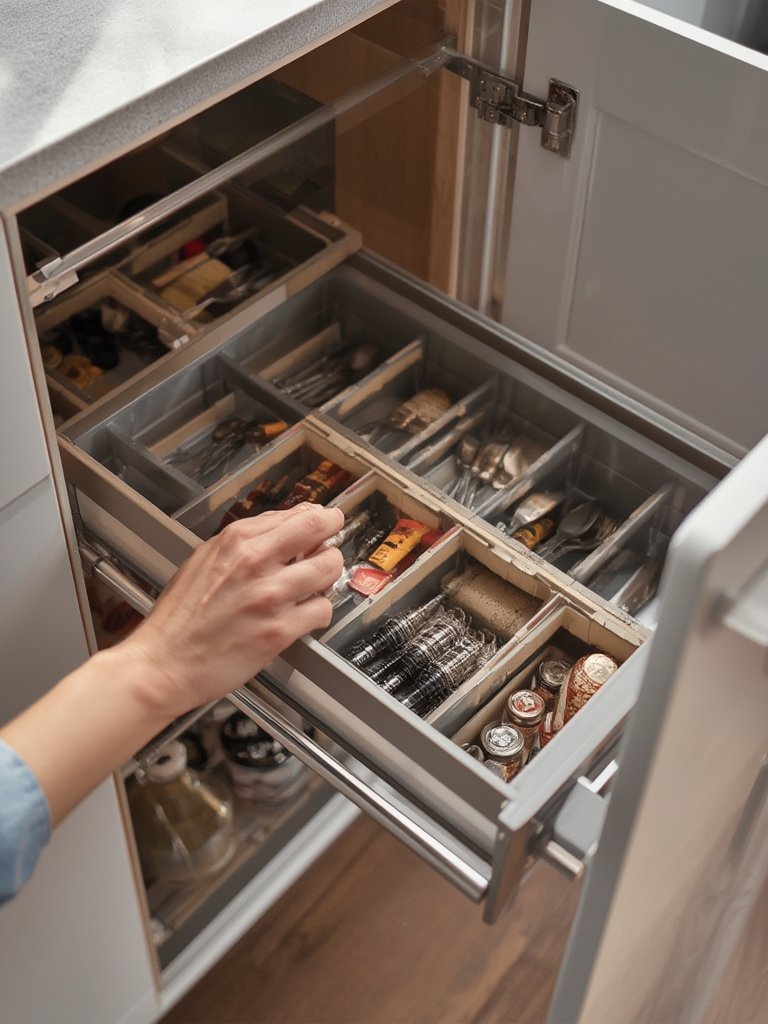
Looking to enhance your storage even further? Borrow ideas from pet-friendly home solutions or even small garden design hacks—many modular principles apply to all types of organization across your living space.
Advanced Analysis & Common Pitfalls
Modular kitchen storage offers enormous benefits, but going in unprepared can result in costly mistakes and lasting frustration. Here’s what homeowners and industry analysts highlight as the biggest challenges.
- High Upfront Costs: Modular systems (especially imported units) can be expensive, with ongoing maintenance fees and a premium for installation. DIY options are cheaper but risk improper alignment and shorter life.
- Market Fragmentation: Local carpenters offer lower prices but lack the modular flexibility and finish of branded solutions. In many regions, limited local manufacturing means longer wait times and supply chain delays.
- Standardization vs. Customization: Ready-made modules make design easier, but homes with unusual layouts, tight corners, or odd wall shapes may struggle to achieve a seamless fit. Not all brands offer the same depth in customization.
- Longevity & Maintenance: Maintenance costs can add up over time. Hinges, soft-close tracks, and pull-out mechanisms often require regular lubrication and adjustment, sometimes prompting paid service calls.
- Effectiveness Measurement: While modular storage dramatically increases usable kitchen space, there’s a lack of publicly available case studies or expert reviews that quantify improvements in speed or accessibility.
| Feature | Pros | Cons | Price Impact |
|---|---|---|---|
| Pull-out Baskets | Easy access, non-slip, ergonomic | Require regular cleaning | +10% over basic shelves |
| Tall Pantry Units | Stores more in less floor area | Can be deep—items lost at back | High (due to vertical hardware) |
| Soft-Close Drawers | Quiet, extends life of hardware | More moving parts to maintain | +12-15% on cabinetry cost |
| Adjustable Shelf Inserts | Maximizes space for odd-sized items | May not fit all cabinet sizes | Low |
Innovation is keeping costs in check: manufacturing automation like CNC machining has reduced average modular storage prices by about 5% in the past year. However, there’s still minimal public data on the real-world results of kitchen organization upgrades. Most users agree that daily tasks become easier and kitchens feel larger after modular installs, but quantifying these gains remains a challenge.
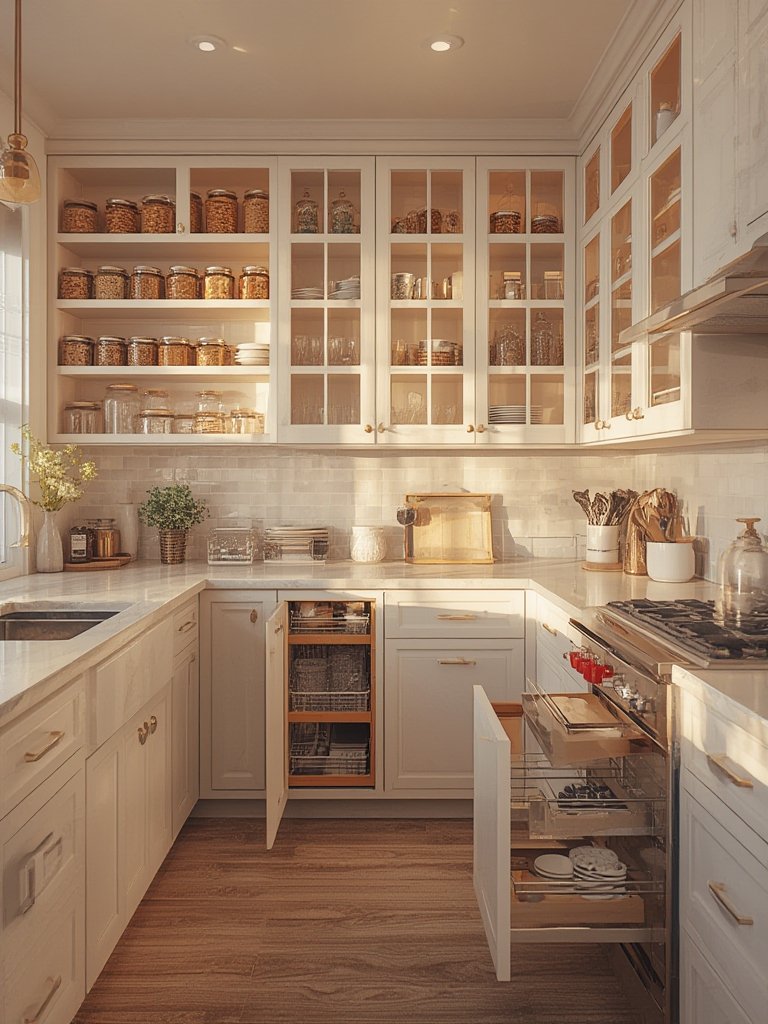
Need more realistic decor guidance? Try these home decor ideas that help balance open shelf displays with practical storage for a lived-in, intentional look.
Conclusion
Upgrading your kitchen with modular kitchen storage delivers more than a visual refresh—it transforms your workflow, reduces clutter, and brings order to daily routines. While costs and customization may challenge initial planning, the long-term benefits make this upgrade one of the best investments you can make in home function and style. Ready to start organizing? Explore modern solutions that blend style and practicality, and share your questions or progress for help tailored to your needs. Don’t wait—bring the clarity and efficiency of modular kitchen storage to your home today.
Frequently Asked Questions
Is modular kitchen storage really worth the investment for small apartments?
Yes, especially in small spaces. Modular systems maximize available space, improve access, and allow you to reconfigure storage easily as your needs change. Look for compact layouts and minimize unused corners for best results.
What is the average cost to install modular kitchen storage solutions?
Prices vary widely depending on the region, materials, and complexity. Expect to pay 5-20% more for professional installation and soft-close features. DIY options are cheaper but require more skill and time.
Are modular kitchens hard to maintain?
Most units are designed for easy cleaning, but moving parts like pull-outs and hinges need occasional lubrication and adjustment. Choose reputable brands for better warranties and support.
Can I upgrade my current kitchen with modular storage or do I need a full renovation?
You can often retrofit existing cabinets with modular inserts, pull-out trays, or drawer dividers. Full modular replacements are not always necessary but offer the biggest impact for challenging layouts.
What materials are best for modular storage in humid climates?
Engineered woods with waterproof laminates, stainless steel, and high quality MDF with protective coatings perform best in humid environments. Avoid untreated particle boards in damp kitchens.
—