

### Blog Post:
microgreens grow kit solutions have exploded in popularity as more people seek easy ways to add nutrient-rich greens to daily meals. But are home kits really as simple and bountiful as they seem? Here’s what to expect and how to choose the best option for your space and skills.
Key Takeaways
- The global market for microgreens grow kits is growing fast, with hydroponic kits leading recent sales trends.
- Self-watering and no-soil features are top picks among beginners, but real-world challenges may go overlooked in product listings.
- Actual user experience may vary—gaps in guidance leave many with questions on setup, troubleshooting, and choosing the easiest varieties.
- What Are Microgreens Grow Kits and Why Use Them?
- How to Use a Microgreens Grow Kit: Step-by-Step
- Advanced Analysis & Common Pitfalls
- Conclusion
- FAQ
What Are Microgreens Grow Kits and Why Use Them?
Microgreens grow kits are designed to simplify the process of growing tiny, nutrient-dense greens—like broccoli, radish, or mustard—right on your countertop or windowsill. Kits usually include seeds, trays, and a growing medium. Many newer options introduce self-watering systems or produce microgreens without soil. The appeal is convenience: fresh, ultra-healthy greens at your fingertips without a garden or prior experience.
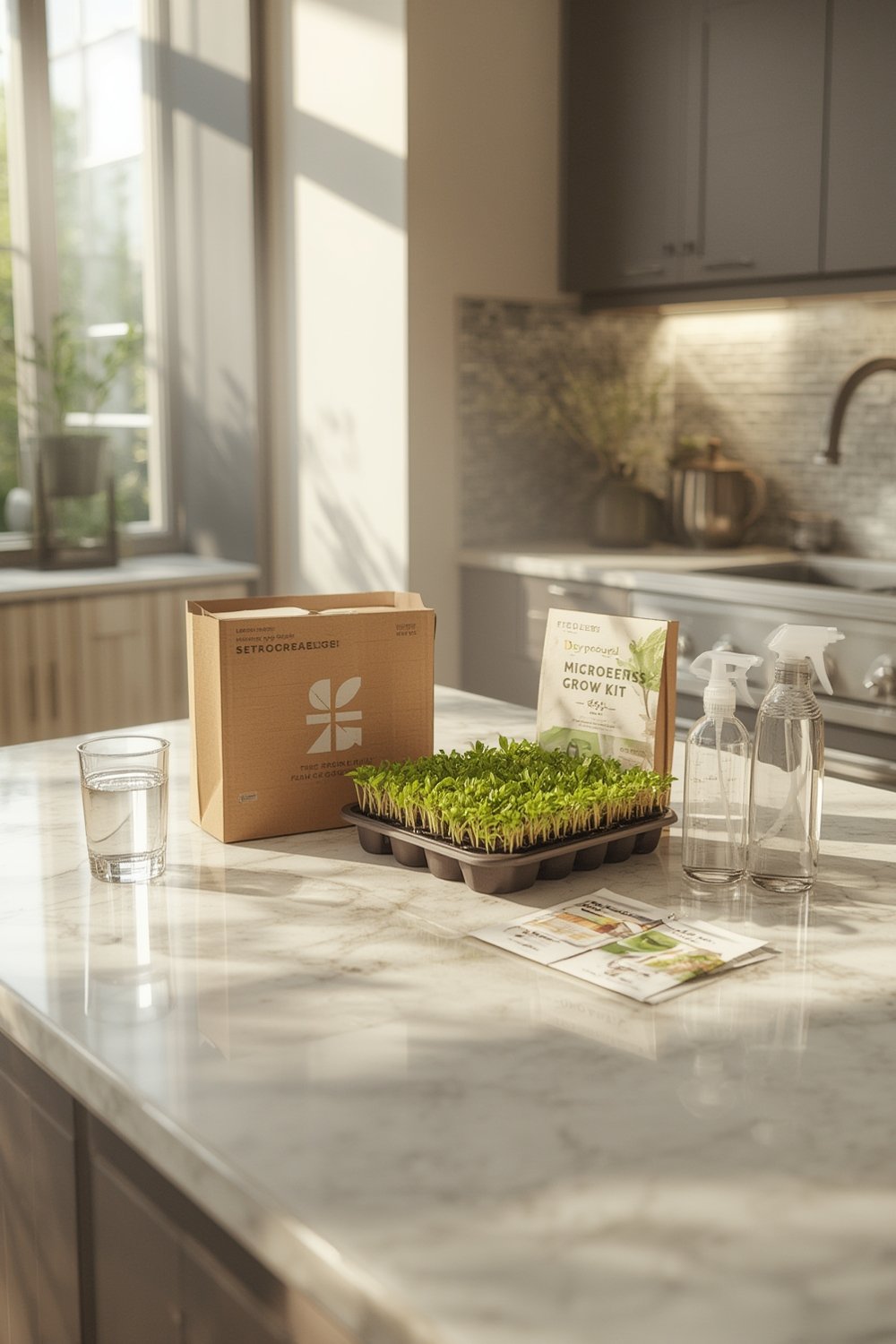
Market research shows the global microgreens segment reaching USD 3.16 billion in 2024, a leap driven by home cooking and health fads. Kits like the Back to the Roots DIY Microgreen Grow Kit have become household staples, offering an easy way to boost nutrition and add vibrance to dishes for everyone from apartment dwellers to foodies.
With sustainable home decor and kitchen upgrades on the rise, microgreens kits are a natural fit—small, attractive, and functional. For more ideas that pair greenery and style, see these home decor ideas or get inspiration from kitchen upgrades that feel effortless.
How to Use a Microgreens Grow Kit: Step-by-Step
Ready to start growing? Here’s how to get the most from your first microgreens grow kit—no green thumb required.
- Unpack your kit: Check for seed packets, tray(s), growing medium, instructions, and any accessories such as humidity domes or watering tools.
- Prepare the growing medium: If your kit uses soil, peat moss, or coconut coir, moisten it evenly and spread it in the tray. For no-soil kits, follow the hydration directions carefully.
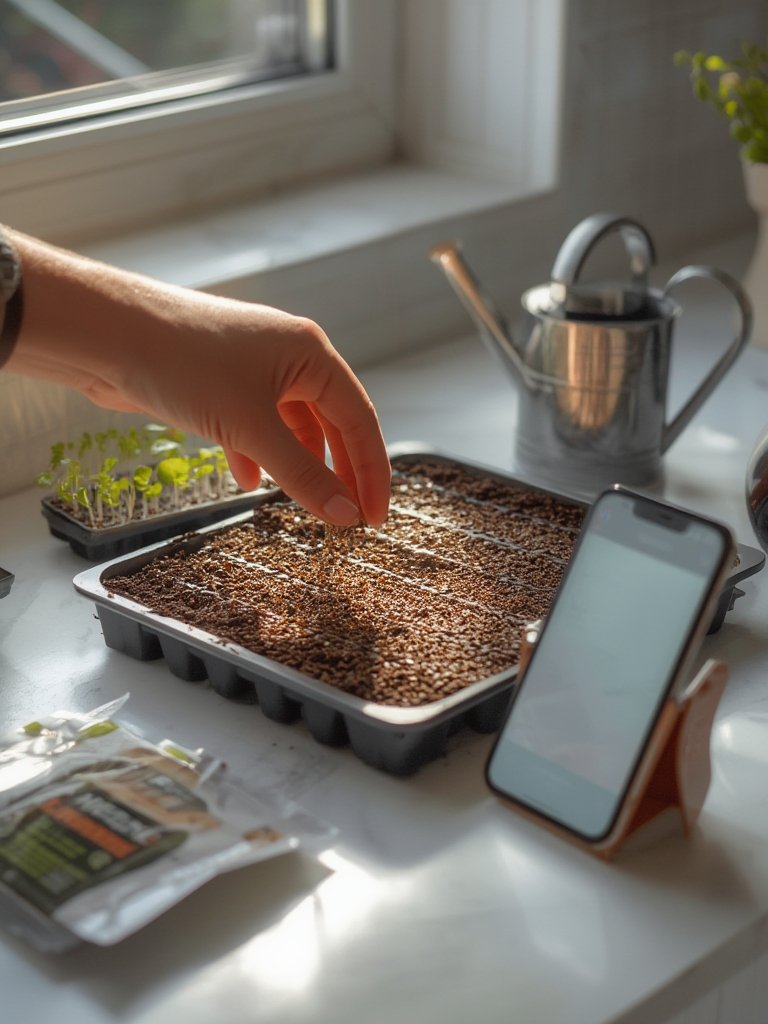
- Evenly scatter seeds across the entire surface. Don’t crowd, but make sure the tray is generously covered for thick, lush harvests.
- Cover seeds with a thin layer of soil or leave exposed, as directed.
- Water gently—use a spray bottle for even moisture with no flooding. Self-watering trays simplify this, keeping seeds moist for days.
- Keep trays warm and in the dark for the first few days. When sprouts emerge, move trays to bright indirect light (a windowsill works, but LED grow lights can boost results).
- Maintain daily moisture: Check water and humidity. If the kit includes a dome, remove it once most seeds germinate.
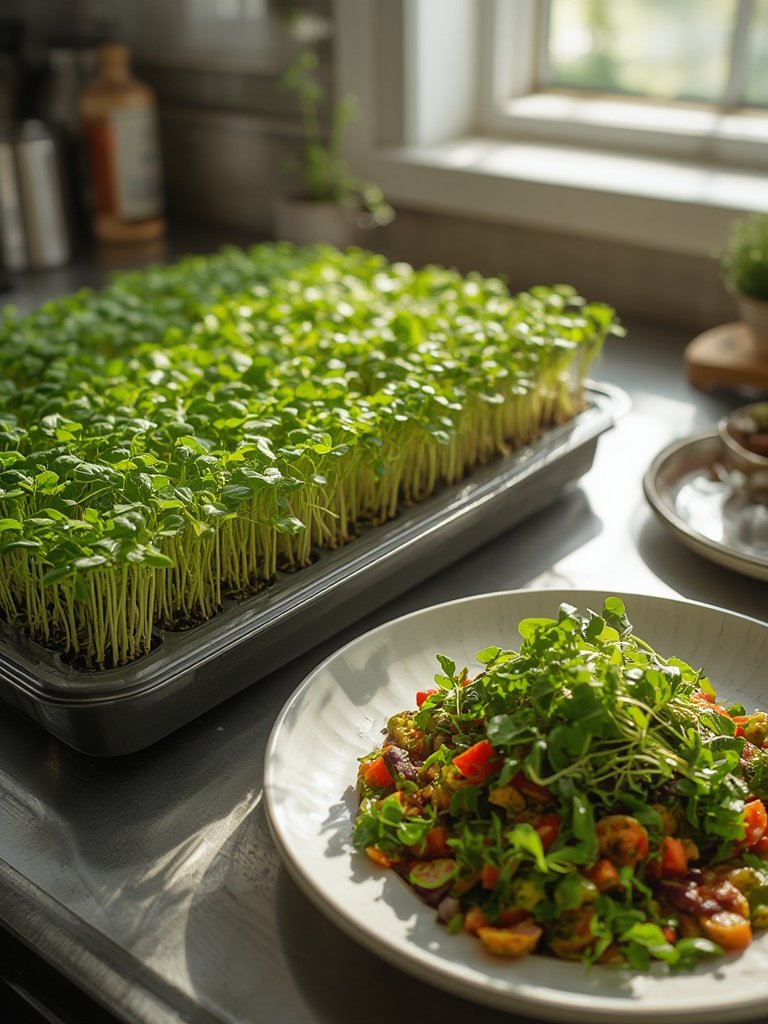
- Harvest in 7-14 days when the first true leaves appear. Use scissors to snip greens just above the medium.
Want to create a whole look around your green haven? Explore low-maintenance garden ideas or pet-friendly home inspiration for stylish, functional upgrades.
Advanced Analysis & Common Pitfalls
While microgreens grow kits score high on convenience, they aren’t foolproof. Here’s what research and real user experiences suggest to watch out for:
| Pitfall | What Can Happen | How to Prevent It |
|---|---|---|
| Uneven watering | Patchy growth, dry spots, or mold growth from over-watering | Use self-watering kits if possible or water gently and evenly with a mist sprayer |
| Poor light | Leggy, pale microgreens; reduced nutrition | Move trays to bright indirect light or use inexpensive LED grow lights |
| Wrong growing medium | Slow germination, risk of rot, low yields | Follow kit instructions and prioritize coconut coir or peat moss for best results |
| Crowding seeds | Overlapping, weak seedlings or increased risk of fungus | Scatter seeds in a single, even layer as directed—avoid clumps |
Beginner kits like the Self-Watering Microgreens Growing Kit (around $39.63) or HOME GROWN Broccoli Seeds ($13.74 for 8 oz) remove some guesswork. Still, most kits and online guides lack clear info about which microgreen types are easiest to grow and what to do when things go wrong.
Notably, the market share of self-watering and sustainable substrates like coconut coir is growing, suggesting that consumers increasingly want low-hassle options. Yet, even smart automation features can’t compensate for poor placement or missed maintenance.
If you’re integrating microgreens with other home projects, check out more home decor ideas that blend style, nature, and function.
Conclusion
Microgreens grow kits are a fun, practical way to add fresh, superfood nutrition to your meals and home. The market now offers user-friendly options for almost every budget and space, especially with features like self-watering trays and sustainable mediums. However, lack of hands-on guidance and variety-specific tips mean the learning curve remains real—set your expectations and don’t be afraid to experiment. For more inspiration on stylish and functional spaces, revisit kitchen layouts or garden organization tips. Ready to bring fresh flavor to your counter? Start simple, be patient, and you’ll quickly see why a microgreens grow kit is one of this year’s top kitchen upgrades.
FAQ
How much do beginner microgreens grow kits typically cost in 2024?
Expect beginner-friendly kits to range from $13 to $40 based on features, size, and seed types. Self-watering kits and those with organic seeds generally cost more.
What is the easiest microgreen variety for first-timers?
While sales data shows broccoli seeds are most popular, there’s limited research comparing varieties for beginners. Broccoli, radish, and mustard microgreens are commonly recommended for their speed and forgiving nature.
Are self-watering microgreens kits worth it?
Yes, self-watering kits can save time and reduce mistakes for beginners—especially if you’re worried about over- or under-watering.
How do I avoid mold and rot in my microgreens tray?
Keep trays ventilated, avoid overwatering, and use a fan or open window for airflow. Remove any humidity dome as soon as most seeds have sprouted to limit excess moisture.
Can microgreens grow kits be reused?
Yes, many trays and some accessories are reusable. You’ll need fresh seeds and growing medium for best results.
—