

### Blog Post:
Honeyberry plant cultivation is gaining attention among gardeners who want a flavorful, durable berry for edible landscaping and perennial fruit production. If you’ve ever struggled with growing blueberries or currants, or want to avoid common failures in backyard berry planting, this hands-on guide explores what actually works (and what doesn’t) for honeyberry plants—without hype or unrealistic claims.
Key Takeaways
- Honeyberry plants thrive across USDA zones 3a to 7b and are highly cold tolerant, surviving down to -40°F.
- Cross-pollination between different varieties is essential—single bushes almost never fruit well.
- Careful soil prep, ongoing mulching, and strategic irrigation will determine your long-term yield and success.
- The Core Concept: What Makes Growing Honeyberry Unique?
- Step-by-Step Guide: How to Grow Honeyberry Plants That Thrive
- Advanced Analysis & Common Pitfalls in Honeyberry Growing
- Conclusion: Is the Honeyberry Plant Worth It?
- Frequently Asked Questions
The Core Concept: What Makes Growing Honeyberry Unique?
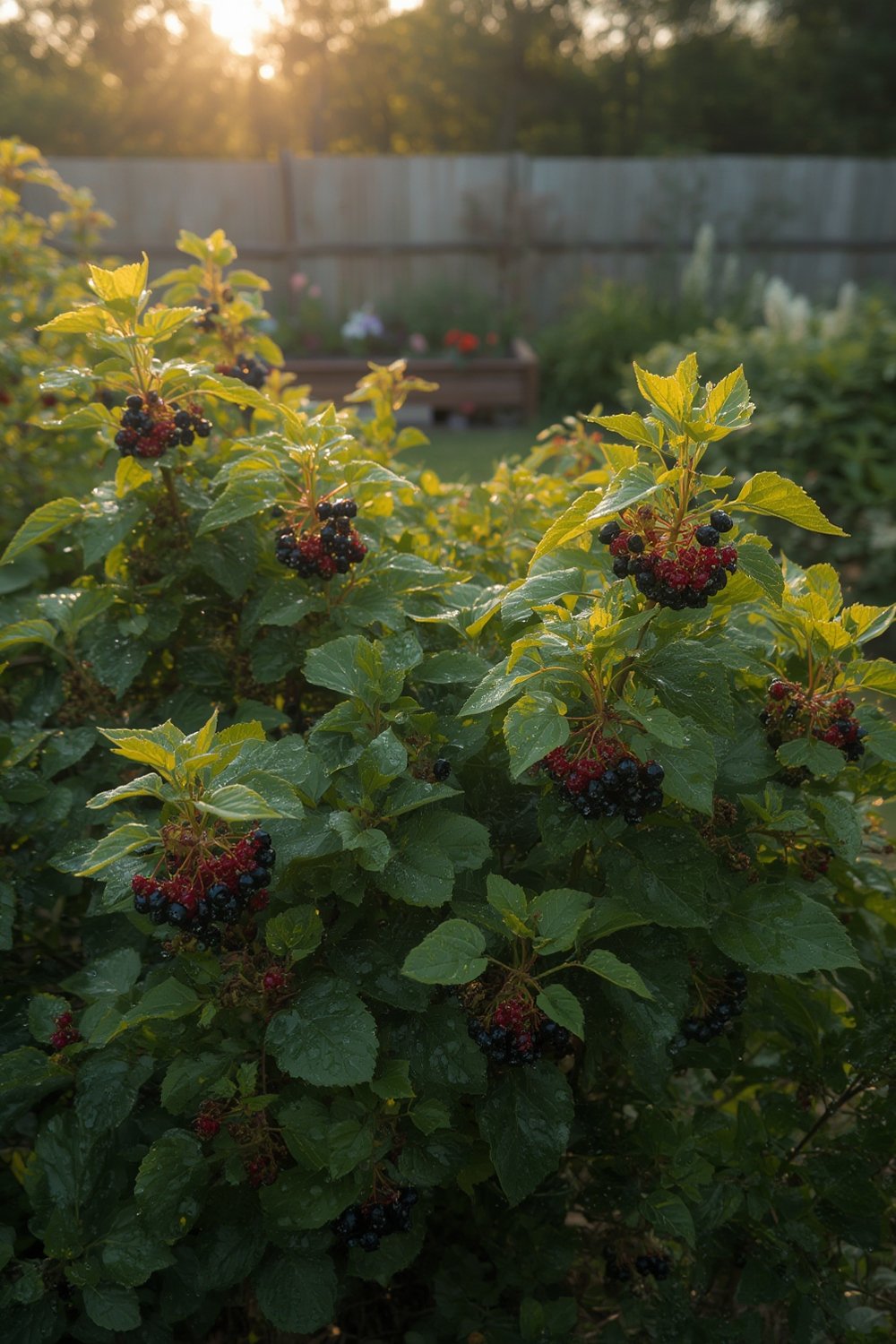
The honeyberry plant (Lonicera caerulea) is a long-lived, cold-hardy fruit bush developed primarily for climates that challenge many other berries. What sets honeyberry apart is its resilience in northern gardens, ability to persist for up to fifty years, and relative immunity to major pests and diseases. Unlike self-fertile blueberries, honeyberries require at least two different varieties for cross-pollination and reliable cropping. This makes variety selection and planting layout critical to long-term success.
Step-by-Step Guide: How to Grow Honeyberry Plants That Thrive
1. Choosing the Right Honeyberry Varieties
Start by selecting two or more compatible honeyberry varieties with overlapping bloom times. This ensures the cross-pollination needed for a usable harvest. Check with your local nursery or variety compatibility charts before purchasing.
2. Site Selection and Soil Preparation
Honeyberries adapt to clay, sand, or loam if soil is well-drained and humus-rich. Aim for a soil pH of 6.5, but they are mostly tolerant from 4.5 to 8.5. Remove sod and weeds 2-3 feet around the planting area. Dig holes 10-12 inches deep and wide, spacing bushes 4 to 6 feet apart (hedges 3-5 feet), with rows at least 8 feet apart for air flow. Mix in compost and, if feasible, 30% professional-grade soil amendments for long-term health.
3. Planting and Initial Setup
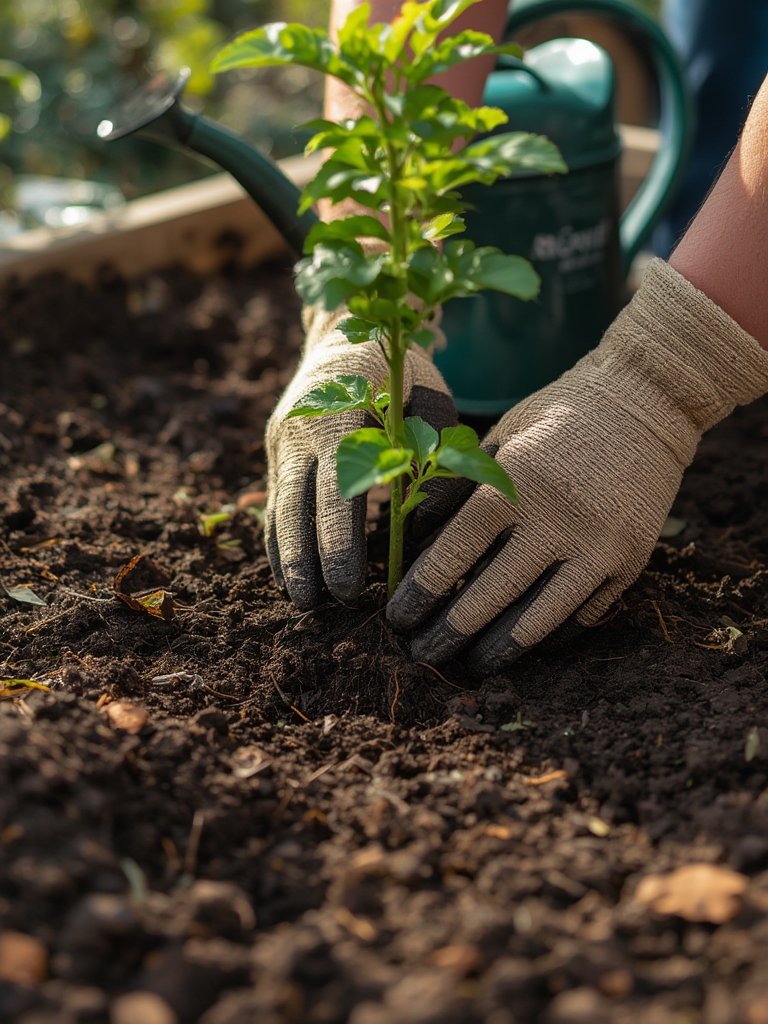
Set the root ball just below the soil surface and backfill gently. Create a mulch-free ring right around the base (to promote rooting), then apply 2–3 inches of wood chip or straw mulch in a 24–36 inch-wide donut shape. Mark the spot and do not cultivate deeper than 2 inches to protect the plant’s very shallow roots.
4. Irrigation and First Season Care
Install a drip irrigation line or use a soaker hose. Monitor rainfall with a gauge—honeyberries perform best on 1–2 inches of water per week during the growing season. Increase watering frequency during hot spells, especially in the first two years, but avoid irrigating after early September unless it’s a dry fall, to help harden off new growth.
5. Fertilization Practices
Feed honeyberry plants in early spring with ammonium nitrate at 30 grams per 2 square feet, followed by an application of 10-10-10 balanced fertilizer in May. Top-dress with well-rotted manure every two or three autumns if your soil needs a boost. Adjust quantities based on local soil test recommendations.
6. Regular Maintenance and Troubleshooting
Pull or gently hoe weeds that sprout within the mulch area. Watch for signs of waterlogging or nutrient deficiency (stunted growth, pale leaves), and adjust water/fertilizer routines as necessary. Prune out dead wood annually, preferably just after harvest or during late fall.
7. Harvest and Beyond
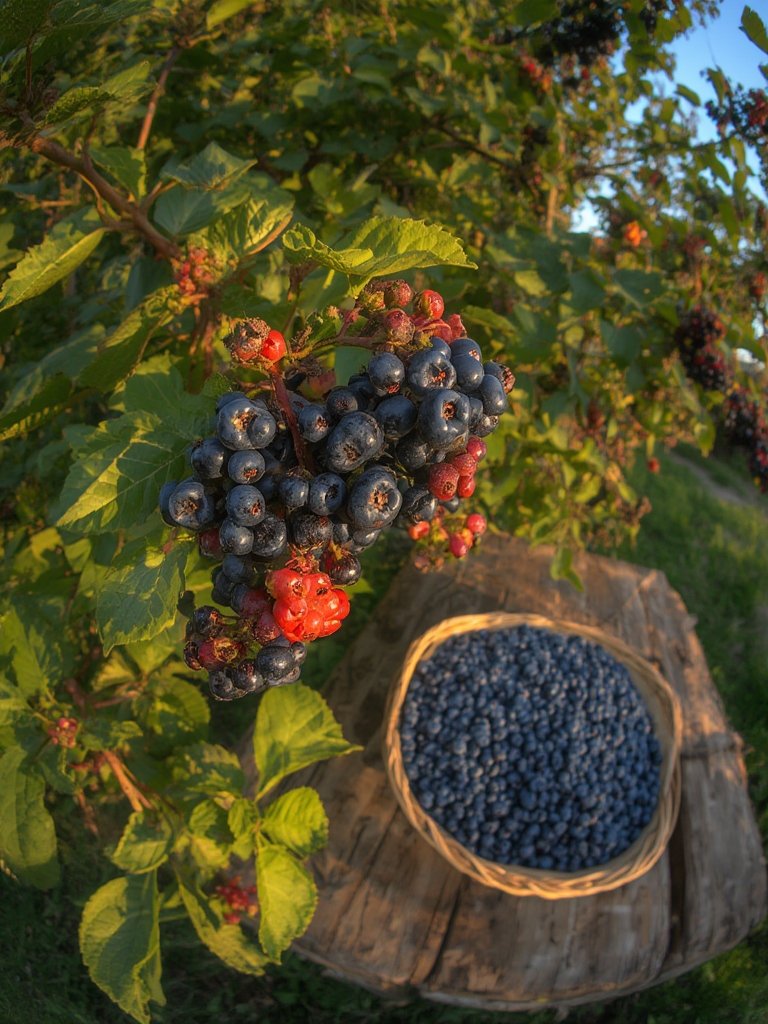
Expect modest yields the first three to four years. Mature honeyberry bushes, at five years and older, will produce between three and eight pounds per plant, with fruit ripening weeks before other berries. Birds are the main “pest”—netting may be required to guarantee a taste of your own harvest.
8. Expanding Your Edible Landscape
Honeyberries combine well in the same yard as blueberries, currants, or perennial vegetables. For more ideas on integrating fruit and flowers, check out our garden ideas for outdoor spaces post as well as tips for functional home decor that complement edible landscapes.
Advanced Analysis & Common Pitfalls in Honeyberry Growing
Key Pitfalls to Watch For
- Planting just one variety: Almost always leads to poor or no fruiting, due to self-incompatibility and asynchronicity of male and female flower organs.
Source - Shallow, fragile roots: Roots occupy only the top 5–7 inches, so deep cultivation can easily damage or dry them. Always weed carefully and keep mulch on.
- Close planting (<3-4 feet): Stunts bush growth and reduces airflow, leading to disease risks (especially in poorly drained soils).
- Inadequate pollinator presence: Not enough bumblebees or planted too far apart for pollination to work—distances over 50 feet or obstructions in line of sight can cripple yield.
Comparison Table: Honeyberry vs Blueberry & Currant (Yield & Longevity)
| Honeyberry | Blueberry* | Currant* | |
|---|---|---|---|
| Years to Maturity | 4–5 | 3–5 | 3–4 |
| Yield per Plant | 3–8 lbs (mature) | 2–8 lbs (mature) | 4–10 lbs (mature) |
| Required Varieties | 2+ (cross-pollination) | Often self-fertile | Most self-fertile |
| Soil pH | 6.5 (4.5–8.5 tolerant) | 4.5–5.5 (acidic required) | 6.0–6.5 |
| Longevity | 30–50 years | 20–30 years | 15–20 years |
| Pests/Disease Issues | Very minor | Moderate | Moderate |
*Typical yields and lifespan; varies by cultivar and region.
Unspoken Challenges
- Expense: While startup and annual cost data are elusive, investing in several potted bushes, quality mulch, and continued soil improvement adds up. Repurposing resources from your kitchen ideas—like compost or rain barrels—can help reduce cost.
- Lack of reference data: Few growers share hard numbers for maintenance costs, so expect some trial and error as you experiment with irrigation, fertilization, and site prep in your conditions.
- Potential for disappointment if cross-pollination fails: No bees, mismatched varieties, or single-specimen plantings can mean years without fruit.
For more inspiration on how to craft a low-maintenance but inviting edible landscape, see our outdoor garden ideas that accent your honeyberries.
Conclusion: Is the Honeyberry Plant Worth It?
Honeyberry plant success is highly achievable—provided you pick the right mix of varieties, commit to weed and water management, and get the soil pH in a healthy range. Yields compare favorably with other landscape berries, but the real benefit is the honeyberry’s resilience to cold and low pest risk. With a well-planned approach, even rookie gardeners can enjoy years—possibly decades—of fresh, early-ripening fruit. If you’re ready to start, don’t wait until spring: plan your honeyberry plant order and prep your soil now for best results.
Frequently Asked Questions
How many honeyberry plants do I need for fruit?
You need at least two different honeyberry varieties planted within 50 feet of each other for cross-pollination and consistent harvests. Three or more is even better for bigger yields.
How much space do honeyberry bushes need?
Space honeyberry plants 4 to 6 feet apart for mature bushes or 3 to 5 feet for hedge plantings. Leave 8 to 10 feet between rows for access and airflow.
Are honeyberry plants prone to pests or diseases?
Honeyberries have very few pest or disease problems in North America. Some issues with birds and weed competition exist, but there are no major recurring threats reported.
Can I grow honeyberries with other berries?
Yes, honeyberries grow well in mixed edible landscapes alongside blueberries, currants, and perennial herbs. Just be sure the soil pH and light needs are met for all species.
How soon can I expect to harvest honeyberries?
Expect light harvests in the third or fourth season, and full yields of 3–8 lbs per bush from year five onward if pollination and care are adequate.
—