

Freeze dried raw dog food is rapidly changing the way many dog owners think about nutrition, but making sense of the claims, actual benefits, and drawbacks is not always easy. If you’re wondering whether this premium food format is worth trying for your pet—or if the industry data truly backs up the hype—this clear, actionable guide is for you.
Key Takeaways
- The freeze dried raw dog food market is growing steadily, with global valuations up to $2.74 billion in 2024 and fastest expansion in Asia Pacific.
- No current veterinary studies compare freeze dried raw directly with other diets, and user complaints or detailed safety data are not available in 2024 reports.
- Premium pricing, limited transparent ingredient sourcing, and gaps in consumer/hands-on data are key factors to weigh before switching.
- What Is Freeze Dried Raw Dog Food and Why Do Owners Choose It?
- How to Start Feeding Freeze Dried Raw: A Step-by-Step Guide
- Advanced Analysis & Common Pitfalls
- Conclusion
- Frequently Asked Questions
What Is Freeze Dried Raw Dog Food and Why Do Owners Choose It?
Freeze dried raw dog food takes raw ingredients—mainly meat, organs, and sometimes veggies—and removes moisture through a special process at low temperatures. This preserves nutrients better than traditional heat-based drying and offers long shelf life without refrigeration.
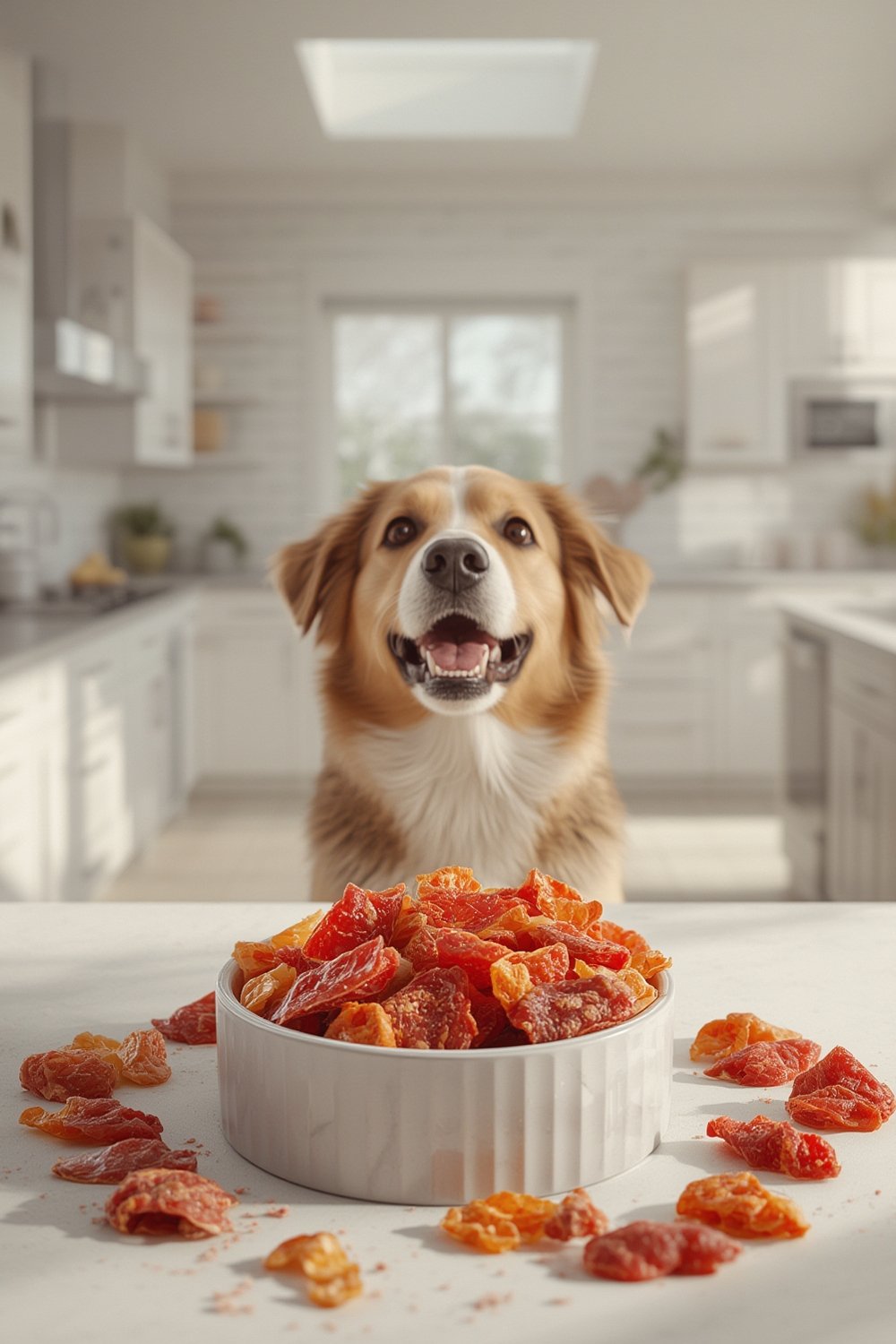
Many owners turn to freeze dried raw for a few reasons:
- Convenience: No thawing or messy prep. Just add water, crumble, or serve as-is for treats.
- Perceived health benefits: Brands position these foods as more natural and closer to ancestral canine diets.
- Storage: Lighter, easy to transport, and has a long shelf-life, useful for travel or backup feeds.
The global freeze dried dog food market reached $2.74 billion in 2024 and is forecasted to cross $3.77 billion by 2030. North America accounts for roughly 43% of demand, but Asia Pacific is the fastest growing region (6.7% CAGR). Chicken-based recipes dominate (over 37% market share). Specialty pet stores and online channels are seeing most sales growth. However, it’s important to know that the biggest reports focus on commercial growth and not always practical, on-the-ground use or nutrition.
If you’re creating a pet-friendly home that functions well, explore design ideas for households with pets.
How to Start Feeding Freeze Dried Raw: A Step-by-Step Guide
Thinking of switching your dog to freeze dried raw food? Here’s how to do it in practical steps, minimizing digestive upset and feeding frustration:
- Consult your vet first—especially if your dog has existing health issues, is underweight, or has a sensitive stomach. There are missing comparative studies between freeze dried and fresh/frozen raw formats, so proceed with caution.
- Choose a formula suited for your dog’s age and protein preferences. Most of the market is geared toward adult dogs, with chicken being the most common. Double-check for life-stage suitability if you’re feeding a puppy or senior.
- Transition gradually. Start by mixing a small amount of freeze dried raw with your dog’s regular kibble or wet food, and increase the ratio over 7 to 10 days.
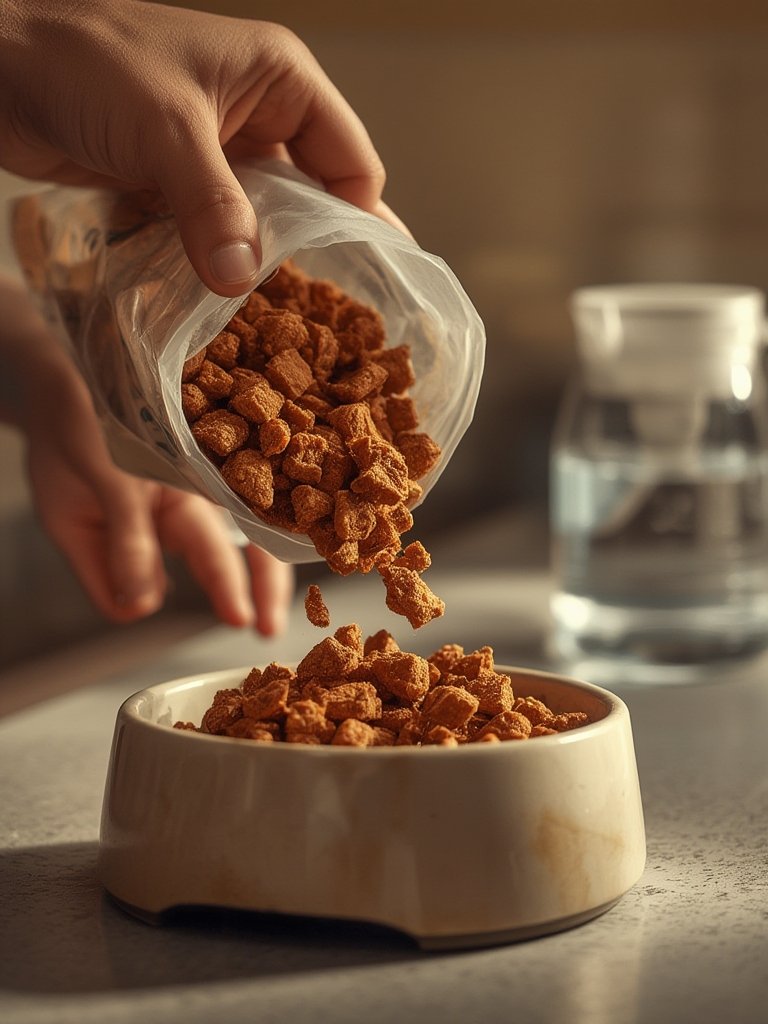
- Rehydrate properly. Always follow package instructions for adding water. Not all freeze dried raw is meant to be fed dry.
- Monitor your dog closely. Look for digestive changes—like loose stool, gas, or a refusal to eat. Adjust pace as needed.
- Store unused portions safely. Freeze dried foods are shelf stable, but keep them dry and sealed, well away from moisture or humidity.
Still working on a pet-friendly kitchen? See these kitchen organization tips designed for homes with dogs.
Advanced Analysis & Common Pitfalls
Industry market data in 2024 highlights growth, but user-level feedback, veterinary nutritional comparisons, and safety reports are missing. Here’s what every dog owner needs to consider before a switch:
- Nutritional ambiguity: While freeze dried raw formulas are labeled “high protein” and “nutrient-rich,” there are no published veterinary studies directly comparing nutrient levels between freeze dried, conventional raw, and fresh-cooked commercial diets.
- Premium pricing, hidden variables: Expect most freeze dried raw products to cost significantly more than kibble or canned food. Specific unit costs per pound are not given in leading market studies (source), but “premium pricing” is consistently cited. Be prepared for sticker shock, especially with large and giant breeds.
- User complaints and digestive issues: No centralized review or user complaint data is reported. However, rapid dietary switches are a common cause of digestive upset—transition slowly and watch for GI symptoms.
- Ingredient transparency: Leading reports only confirm chicken as the most dominant protein and that adult dog formulas are the most common. There is no information on which freeze dried brands are grain-free or how ingredients are sourced for US or international markets.
- Regulatory and safety ambiguity: Recent data (2023 to 2026) contains no summaries of brand recalls, pathogen risks, or official regulatory outcomes. All claims related to safety or “raw ingredient purity” should be viewed as unverified marketing at this time.
- Major informational gaps: You will not find consumer cost comparisons, safety evaluations, or verifiable ingredient lists in top-ranking market reports. Cautious research into independent veterinary sources and user reviews is still strongly advised.
| Factor | Freeze Dried Raw | Kibble | Fresh/Frozen Raw |
|---|---|---|---|
| Nutritional Validation | Limited data, mostly marketing | AAFCO minimums, well-studied | Limited, depends on brand |
| Ease of Use | High (lightweight, portable) | Highest (no prep) | Low (requires thawing/prep) |
| Storage | Room temp, long shelf life | Room temp, long shelf life | Freezer/refrigeration required |
| Cost | Premium/expensive | Most affordable | Expensive to premium |
| Ingredient Transparency | Variable, limited report data | Moderate, published labels | Variable, depends on provider |
| Safety/Recall Reporting | No public data (2023–2024) | Regular, easy to find | Brand-dependent |
If you need more dog-friendly ideas for your space, try these pet-friendly home upgrades or look to simple modern decor tips for multi-pet households.

Conclusion
Freeze dried raw foods are a premium, highly convenient feeding option that’s capturing more of the dog food market each year. But before you commit, know that there’s a real lack of independent, science-backed research or published safety data. Ingredient sourcing, grain-free claims, and even unit pricing are often not transparent in public reports—the information gaps remain large and important.
If you’re ready for a change, proceed methodically, consult your vet, and track your dog’s response. Take time to research independent reviews and look behind the marketing. When in doubt, favor gradual transitions and transparency from your chosen brand. For even more pet-friendly home inspiration, see these ideas for stylish homes with pets.
Ready to find out if freeze dried raw dog food is a good fit for your home and dog? Take the first step—start your own research, ask your vet, and compare ingredient transparency and cost before you switch!
Frequently Asked Questions
Is freeze dried raw dog food safer than regular raw food?
There is no definitive veterinary or regulatory data proving freeze dried raw is consistently safer than traditional raw dog food. The freeze drying process reduces moisture and potential for microbial growth during storage, but safety still depends on sourcing and handling. No comprehensive pathogen or recall data has been published in 2023–2024 market reports.
Can my dog eat freeze dried raw every day?
Most commercial freeze dried raw dog foods are formulated for daily, complete nutrition, especially for adult dogs. Always check the label for AAFCO (Association of American Feed Control Officials) compliance and consult your veterinarian before switching your dog’s diet entirely.
Why are freeze dried raw dog foods so expensive?
Freeze dried raw dog foods use high-quality animal proteins and special low-temperature drying technology that adds cost compared to kibble or canned foods. The format is also marketed as a premium product. Unit pricing per pound is one of the main drawbacks for budget-conscious dog owners.
What are the most common mistakes when switching to freeze dried raw?
The biggest is transitioning too quickly, which can cause digestive upset. Others include feeding it dry without rehydration (if water is recommended), choosing the wrong life-stage formula, and assuming all freeze dried foods are grain-free or suitable for allergies without checking labels.
Where can I get more dog-friendly home inspiration or products?
Explore stylish, pet-friendly home ideas and storage solutions that make living with pets easier and more organized.