

Drawer dishwasher designs are redefining kitchen efficiency for homes both big and small. If you want smarter cleaning, flexible kitchen layouts, and space saved without sacrificing cleaning power, this trending appliance may be exactly what you need.
Key Takeaways
- Drawer dishwashers are expanding rapidly in the market, especially in urban and compact kitchens worldwide.
- New units offer water and energy efficiency, as well as innovations like smart features and flexible installation for small spaces.
- Buyers should know both the practical advantages and the realistic challenges that come with these appliances.
- What is a Drawer Dishwasher and Why Are They Gaining Popularity?
- How to Choose and Install a Drawer Dishwasher
- Advanced Analysis & Common Pitfalls
- Conclusion
- FAQ
What is a Drawer Dishwasher and Why Are They Gaining Popularity?
Drawer dishwashers are a modern evolution of the standard dishwasher, built with one or more deep drawers that slide out horizontally instead of a pull-down door. They’re designed to blend seamlessly into cabinetry, offering a modular and ergonomic approach to dish cleaning. As small apartments and open-plan kitchens become more common, demand is surging for these compact and flexible appliances.
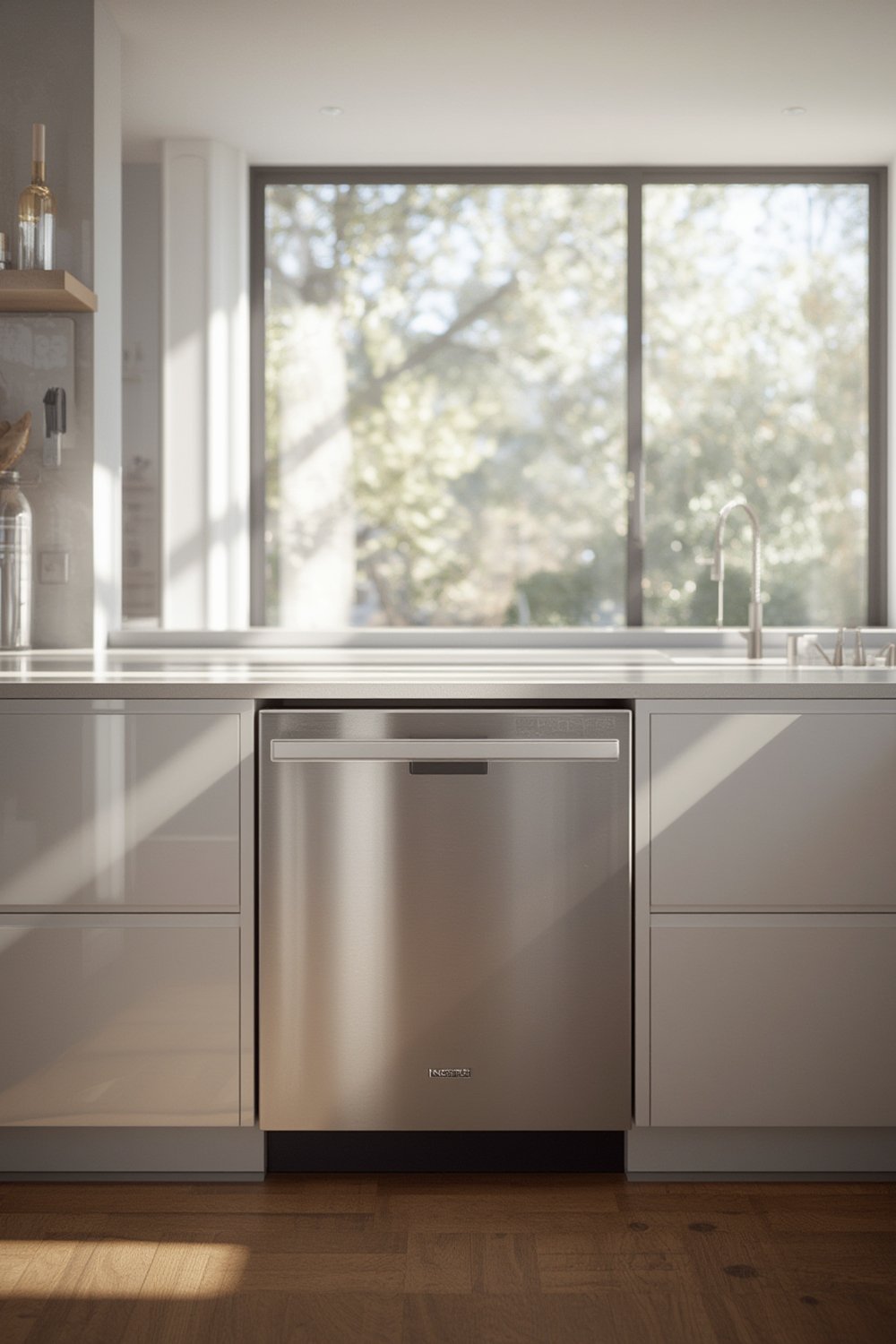
The global drawer built-in dishwasher market was valued at $10.5 billion in 2024 and is forecasted to reach $18.2 billion by 2034 with steady growth (source). Urbanization drives this trend, as more households seek to maximize kitchen function in limited space. Drawer-style dishwashers now make up 28% of compact dishwasher sales in metropolitan areas (source).
Compared to traditional dishwashers, drawers provide easier access, flexible cycles (run one drawer at a time), and integration into modern modular cabinetry—perfect for clean, uncluttered kitchen aesthetics. They pair especially well with other space-saving kitchen solutions, as highlighted in our guide to kitchen organization and modern kitchen design.
Double drawer dishwashers allow stacking or separate simultaneous loads, making them handy for families or roommates with varying dishwashing needs. Smart technology, noise reduction, and third rack features are also distinguishing the leading products in 2024 (source).
How to Choose and Install a Drawer Dishwasher
Making the shift to a drawer dishwasher can feel daunting, but the right step-by-step plan simplifies everything—especially if you live in a small apartment, have a modular kitchen, or want minimal renovation.
- Measure Your Space Precisely. Most drawer dishwashers fit standard base cabinetry, but always check dimensions—particularly depth, as some compact units are 18 inches wide. Measure also for depth behind doors, plumbing, and electrical onsite. See more on functional decor for small spaces.
- Consider Capacity and Drawers. Are you a couple, a family, or a solo dweller? Single drawers handle daily dishes (often 6-7 place settings); double drawers suit bigger households or those who want to run different cycles at once.
- Research Model Features. Look for ENERGY STAR logos (most premium North American compact models use just 3-4 gallons per cycle). Features like WiFi app control, third racks, flexible racking, and ultra-quiet cycles are now mainstream in top models (source).
- Choose Your Finish and Placement. Most drawer dishwashers integrate directly under counters. Stainless, panel-ready, and fingerprint-resistant finishes abound. Convertible drawer dishwashers can even be used as countertop or undercounter units for more layout freedom.
- Plan Installation. Professional installation is usually recommended due to cabinet cutout adjustments and plumbing/electrical work. Budget time and money for both—installation fees can vary by location and complexity.
- Test Run and Maintain. Always run a test cycle to ensure proper function and check for leaks before putting in the first load. Regularly clean filters and check seals for best performance.
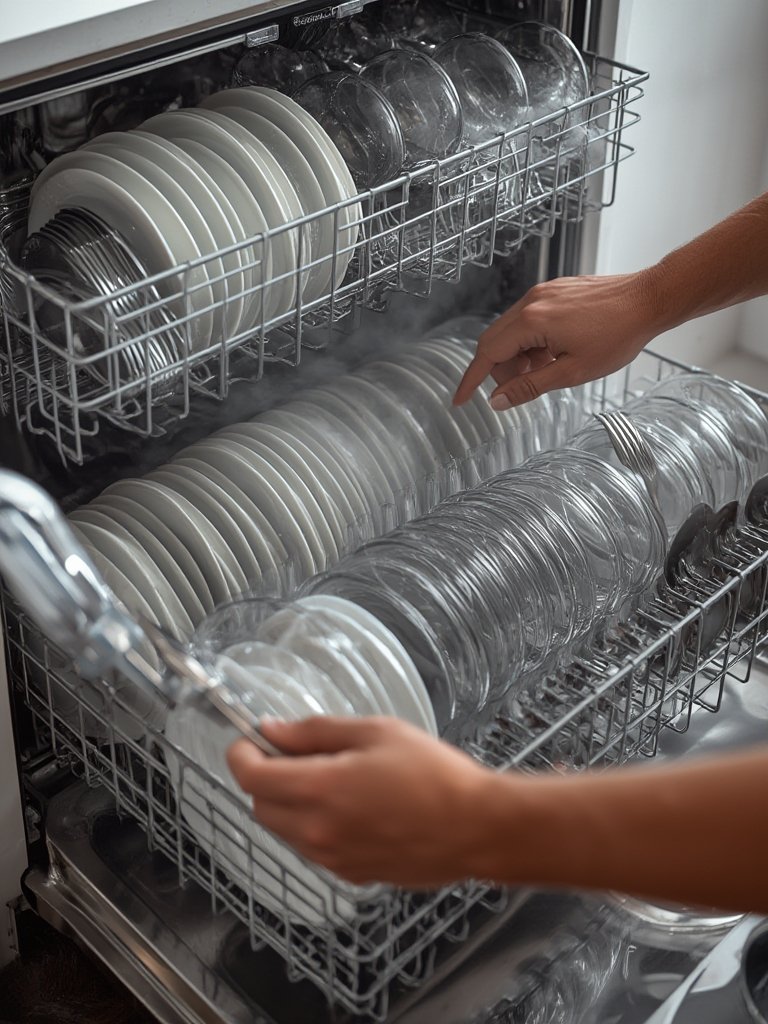
For more ways to maximize even the smallest homes, check our rundown of home decor ideas designed for small space living.
Drawer dishwashers are ideal for pet-friendly homes too, since their low opening height and divided drawers help keep dirty dishes away from curious paws. For allied tips on creating a pet friendly home, see our style and storage guide.
Advanced Analysis & Common Pitfalls
While drawer dishwashers solve many space and efficiency challenges, they aren’t perfect for every situation. Find out what to expect, as well as drawbacks to watch out for.
Comparison: Drawer Dishwasher vs. Standard and Countertop Dishwashers
| Feature | Drawer Dishwasher | Traditional Built-in | Countertop |
|---|---|---|---|
| Space Needed | Minimal, single or double base cabinet | Full-size floor/cabinet area | Sits on counter, but steals workspace |
| Water Use (per cycle) | 3–4 gal (ENERGY STAR) | 3–5 gal (varies by age/model) | 2–3 gal |
| Energy Use | Very low; some models with inbuilt heaters | Low-Moderate (if newer) | Low |
| Capacity | 6–14 place settings (size-dependent) | 12–16 place settings | 4–6 place settings |
| Noise Level | Quieter, insulated drawers | Varies (new=quiet, old=loud) | Moderate |
| Flexibility | High; run 1 or both drawers | Low; full load needed to maximize | High for singles, renters |
Common Pitfalls
- Higher Initial Cost: Drawer models often cost more than basic full-sized units, largely due to specialized mechanics and premium features. Installation often adds to the price, and prices vary considerably by finish and smart capabilities.
- Limited Capacity: While modular, most single drawers fit 6–7 place settings. Larger families may need a double-drawer unit or still rely on a full-size dishwasher occasionally.
- Fit Issues: Retrofitting into older cabinets can require custom carpentry and may not align perfectly with non-standard cabinet heights. Always measure, and consult a pro for difficult installs.
- Potential for Uneven Loading: If you consistently run only one drawer for speed or convenience, your cycles may be less energy-efficient than running both drawers full at once.
- Service and Parts: Drawer mechanisms are more complex and may require specialized repair services not available everywhere. Warranties vary and are not always as robust as with standard models.
- Limited Brand Options: The number of manufacturers and models is still smaller than the standard dishwasher market. This limits color/finish options and sometimes increases wait times for new model releases.
Modular setups and space solutions are rising in demand. If you want more clever ways to design efficient, stylish kitchens, see our article on everyday kitchen ideas.
Drawer dishwashers fit perfectly with other minimal and functional solutions; for connecting outdoor utility with kitchen cleaning (like for garden parties or pet cleanups), we have garden organization and outdoor ideas as well.
Conclusion
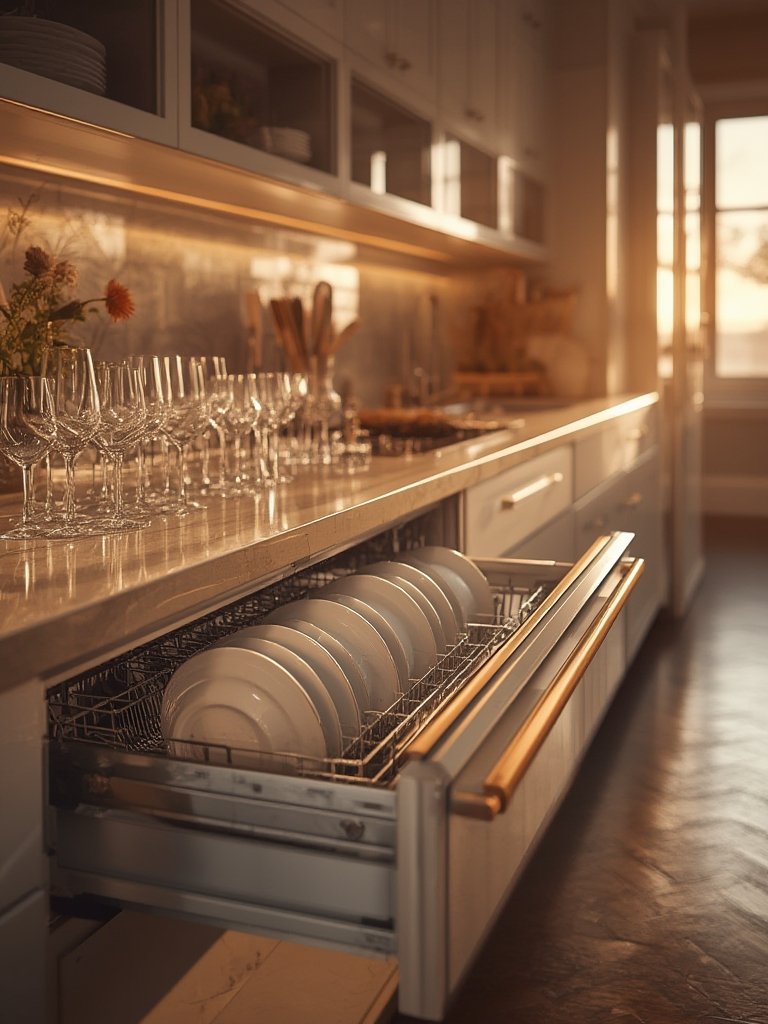
Drawer dishwashers are rapidly becoming the go-to option for modern, modular, and compact kitchens. They boost efficiency, integrate with contemporary cabinetry, and offer notable water and energy savings. Remember the practical downsides: higher cost, smaller capacity for single drawers, and occasional installation hurdles. With planning, the drawer dishwasher can turn even the tightest kitchen into a streamlined, clutter-free space.
Ready to upgrade your kitchen with a drawer dishwasher? Start by measuring your space and reviewing your household’s dishwashing needs. For more functional design tips that transcend trends, browse our top picks for modern home decor.
FAQ
Are drawer dishwashers good for small kitchens?
Yes, drawer dishwashers are designed to maximize space in small or modular kitchens. They fit into standard base cabinets and allow flexible use, which is perfect for apartments or homes with minimal kitchen space.
How much water does a drawer dishwasher use per cycle?
Most North American ENERGY STAR drawer dishwashers use 3–4 gallons of water per cycle, offering significant savings compared to some older standard models.
Are drawer dishwashers more expensive than standard dishwashers?
Generally, yes. Drawer models often cost more upfront due to specialized mechanics and premium features, and their installation may add to the cost. However, the long-term savings in water and energy can help offset the initial investment.
Can I retrofit a drawer dishwasher into my current cabinet?
Retrofitting may require some cabinet modification, especially in older kitchens. Always measure carefully and consider having a professional installer make the necessary adjustments.
Do drawer dishwashers clean as well as regular dishwashers?
When loaded correctly, drawer dishwashers are just as effective as standard dishwashers. They often feature advanced jets, targeted sprays, and sometimes even third racks for extra utensils or small plates.