

### Blog Post:
Countertop ice maker buyers face more than just a price tag—total cost-of-ownership, daily output, reliability, and hygiene features are what set the best machines apart from unreliable, noisy, or hard-to-clean options.
Key Takeaways
- Daily ice production, ENERGY STAR ratings, and self-cleaning antimicrobial bins now drive the best countertop ice maker choices, not just aesthetics or brand.
- Most user complaints center around machine noise, constant refilling, leaks, short lifespan, and tricky cleaning—smart new models address these issues head-on.
- Calculating your real daily ice needs and understanding upkeep costs is vital—compare models with clear O&M data for predictable long-term value.
- Quick Summary — Which countertop ice maker should you buy?
- Market Snapshot — Why nugget and smart countertop models matter in 2024
- How to size a countertop unit for your use case (the realistic daily production math)
- Top models and model features to prioritize (not just brand names)
- 5 most common complaints (and exactly how to avoid them)
- Underreported purchase factors you must check (the unique insight)
- Use-case deep dives — best choices for home bars, offices/break rooms, healthcare/RVs
- Maintenance, cleaning and expected lifespan (realistic O&M plan)
- Quick spec checklist and buying worksheet (final decision tool)
- Budget tiers and what to realistically expect at each price point
- Calls to action / next steps for buyers
- FAQ
Quick Summary — Which countertop ice maker should you buy?
The countertop ice maker market hit USD 2.7 billion in 2024 and is growing at a strong 5.8% CAGR through 2034. For buyers, daily production, hygiene, and maintenance needs now outweigh simple price or looks. The best portable ice maker is different for each setting:
- Light home use (Home bars, small families): 20–30 lb/day production, 2–3 lb bin, self-clean cycle, low energy use. Pick: Ecozy Compact Nugget Maker (35 lb/day).
- Small café or office breakroom: 30–40 lb/day, antimicrobial bin, scale-inhibiting filter, Wi-Fi/app alerts, quiet operation. Pick: GE Opal 2.0 Ultra (up to 38 lb/day).
- RV or portable/short-term rental: 20–30 lb/day, lightweight, easy to drain, bullet or nugget ice, robust handle. Pick: hOmeLabs Portable Ice Maker.
Best for daily demand and long-term cost: GE Opal 2.0 Ultra for high daily output, low maintenance, and smart features. Ecozy smart-series models offer strong value for space-limited setups.
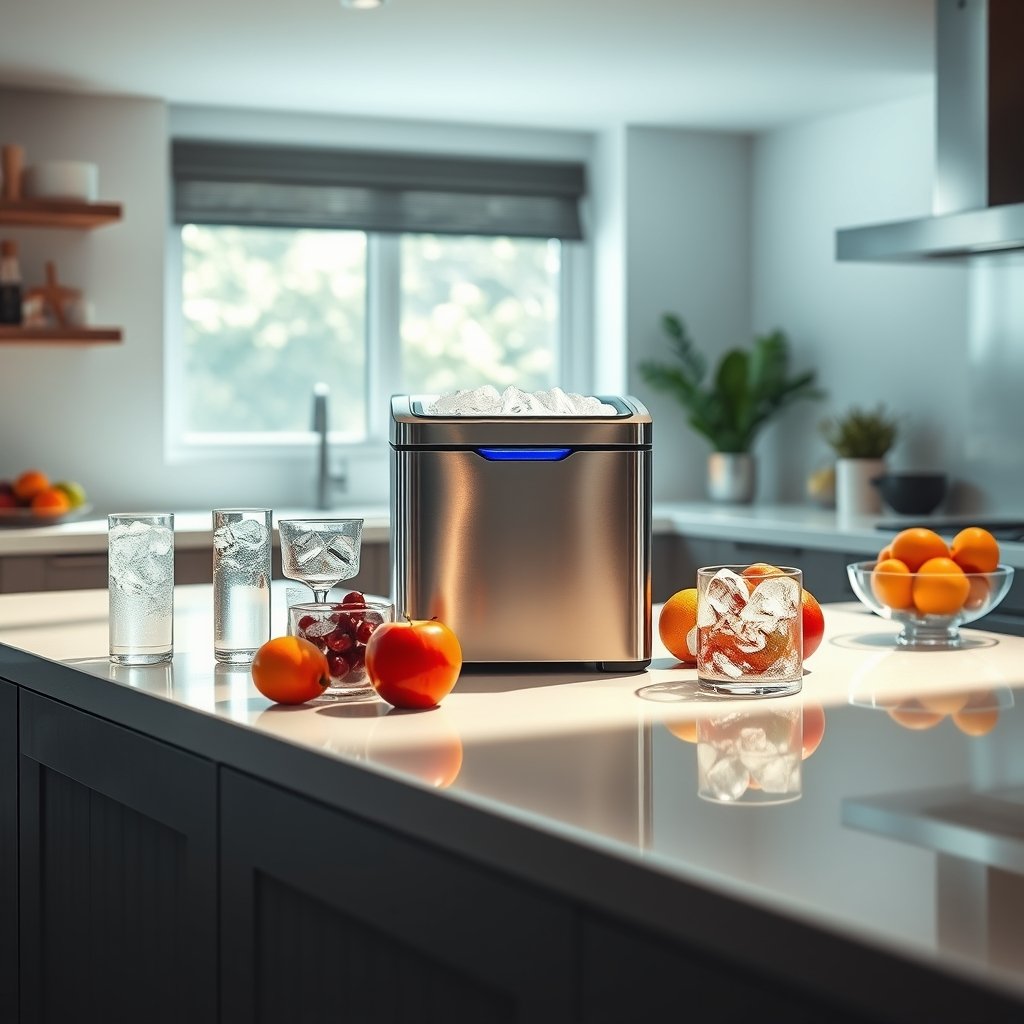
Market Snapshot — Why nugget and smart countertop models matter in 2024
Countertop nugget ice maker models have rapidly advanced in 2024. Home and small-business buyers value soft, chewable “Sonic” style ice, quick cycles, automatic cleaning, and reliable, app-enabled monitoring. Nugget ice maker countertop units now rival older commercial cubes for many uses. Flagships like the GE Opal 2.0 Ultra (up to 38 lb/day, Wi-Fi, scale-inhibiting filter, $579 MSRP)[1] and the Ecozy Compact Nugget Maker (35 lb/day, 40% smaller footprint) lead this shift. Commercial-grade sellers like Hoshizaki even released ENERGY STAR-rated countertop nugget models with silver-ion antimicrobial bins for patient room and café use[2].
Modern buyers expect predictive maintenance alerts, energy transparency, and easier cleaning. Why? After years of complaints about portable ice maker noise, leaks, bacteria, or breakdowns, real-world longevity and OPEX (operational expense) are as important as initial price. Smart connectivity, energy-efficient features, and better hygiene are now required, not nice-to-have.
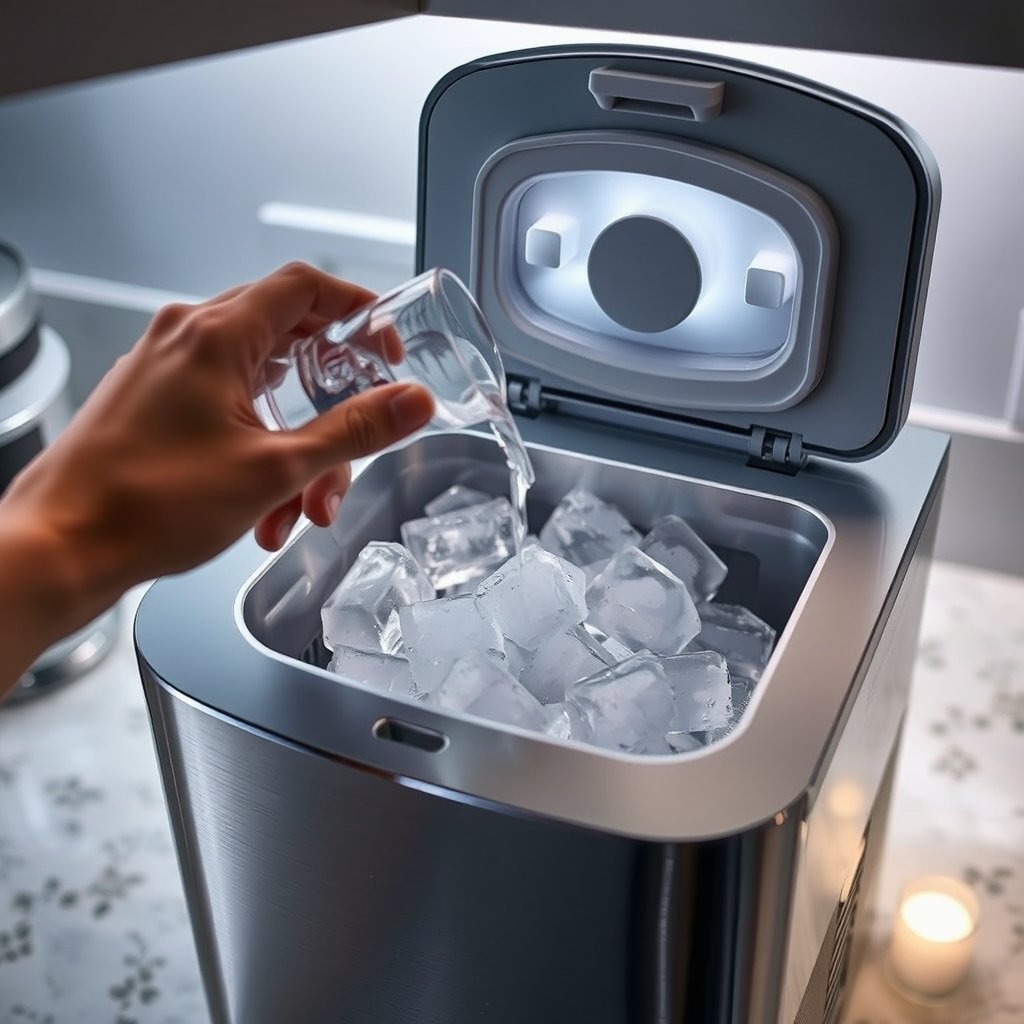
By 2030, residential nugget-ice makers are projected to expand at a 5.6% CAGR[3], as buyers increasingly expect app control, antimicrobial bins, and quiet cycles for offices, café service, or compact home bars.
How to size a countertop unit for your use case (the realistic daily production math)
Sizing a small ice machine is about capacity, not just production “per day”. Use this formula:
- People served × drinks per person × ounces of ice per drink = total daily ice ounces (divide by 16 for pounds).
Example: For 10 breakroom users, 2 drinks/person, 6 oz ice each: 10 × 2 × 6 = 120 oz = 7.5 lb/day minimum. But you’ll want margin for busy days and some melting, so 15–25 lb/day is safer. If you have a small bar or 20 guests, check if the unit can keep up during busy hours, not just over 24 hours.
Ice bin vs. production rate: Bin storage on compact nugget ice makers is often just 2–3 lb; continuous production matters if you expect rapid turnover. If people pull several pounds at once for punchbowls or coolers, opt for the larger 35–38 lb/day machines, and empty the bin as it fills.
| Model | Max Production (lb/day) | Usable Bin Cap. (lb) | Notes |
|---|---|---|---|
| GE Opal 2.0 Ultra | 38 | 3 | Wi-Fi, self-cleaning, filter |
| Ecozy Nugget Smart Panel | 35 | 2.5 | 40% smaller, app control |
| hOmeLabs Portable Ice Maker | 26 | 1.5 | Best for mobile/RV |
Remember: most countertop ice makers recirculate melted ice, but if your location is warm, ice melt accelerates. Match peak hour demand to avoid running empty or forcing refills every hour.
Top models and model features to prioritize (not just brand names)
Do not buy on brand alone. What actually matters for a reliable countertop ice maker is:
- Production (lb/day): 20–26 lb/day covers light use, 30–40+ lb/day needed for busy offices or café service.
- Usable bin capacity: The higher, the fewer refills per day. Most average 1.5–3 lb per cycle.
- Footprint: Measure your space before purchase. Leading compact models like Ecozy offer 40% less footprint than older rivals.
- Noise level: Anything <45 dB is very quiet. Above 55 dB can disrupt break rooms.
- Cleaning features: Self-cleaning modes, antimicrobial bins, and scale-inhibiting filters save hours of work and reduce mold risk.
- Smart features: Look for Bluetooth, Wi-Fi, or at least indicator alerts for cleaning or refills.
- Energy efficiency: ENERGY STAR or published wattage saves over the lifespan.
- Warranty & support: 1-year is standard; 2+ years means better build or at least easier parts replacement.
Example features from leading recent models:
- GE Opal 2.0 Ultra: 38 lb/day, Wi-Fi/app, scale filter, 3 lb bin, low-maintenance, $579 MSRP.
- Ecozy Smart Nugget: 35 lb/day, compact, antimicrobial ice bin, voice/app alerts, 2.5 lb bin.
- hOmeLabs Portable: 26 lb/day, rapid production, simple controls, best for portability and low cost.
See how these specs stack up in the Buying Worksheet below. Also, check out these kitchen ideas for small spaces to optimize your setup.
5 most common complaints (and exactly how to avoid them)
Real-world user reviews and repair records highlight the critical pain points for small ice machine and portable ice maker buyers:
- Excessive noise: Seek models that publish noise level (ideally <45 dB). Vibrations often indicate loose feet, not just a loud compressor.
- Frequent refilling: Water tanks under 2 L require constant attention. If plumbing is an option, choose it. Otherwise, plan to refill every 2–3 hours on high-use days.
- Water leaks and spills: Ensure you use the included drain hose or fit the unit so it tilts slightly backward. Never overfill past the maximum line.
- Short lifespan/component failures: Many cheap units fail in months, especially pumps or ice shovels. Extended third-party warranties are often worth it for anything over $250. Always register your unit for support.
- Hard-to-clean, mildew risk: Lack of self-clean or antimicrobial lining means weekly manual deep-cleaning. Unplug, drain, run vinegar or citric acid cycles as noted in the manual—a critical step for rental properties. Units with silver-ion or antimicrobial coatings drastically reduce biofilm and bacteria growth[2].
These pitfalls are rampant when convenience or low price are the only priorities. Consider higher OPEX and replacement expense versus spending a little more for hygiene and reliability upfront.
For further insights, see reliable Consumer Reports nuggets & bullet ice maker reviews and check out pet-friendly home tips to keep ice makers safe in shared kitchens.
Underreported purchase factors you must check (the unique insight)
Too many buying guides miss three factors that impact satisfaction and O&M costs:
- Energy efficiency & operating cost: ENERGY STAR is not universal, but new models are offering up to 15–20% operating cost savings per year. Always look for wattage labels and estimated annual kWh usage.
- Hygiene & antimicrobial protection: Silver-ion bins and self-cleaning functions prevent bacteria and biofilm buildup. In high-traffic or healthcare environments, this is non-negotiable.
- Smart integration: Wi-Fi/Bluetooth/app diagnostic features let you detect problems before failures. For remote or rental properties, predictive maintenance notifications stop surprise breakdowns and water leaks.
Recent years saw leading brands like Hoshizaki, GE, and Ecozy add these features, but many top-ranking review articles ignore their impact on cost and owner experience. Manufacturer white papers and reports show that models lacking these upgrades see more mold, breakdowns, and returns[4].
For efficiency and smart kitchen planning, see our overview of connected kitchen appliances.
Use-case deep dives — best choices for home bars, offices, healthcare, and RV use
Home bars and personal kitchens
- Recommended: 20–30 lb/day, 2–3 lb bin, self-clean, low-noise (<48 dB), bullet or nugget ice based on drink preference.
- Models: Ecozy Compact Nugget Maker; GE Opal 2.0 Ultra (if frequent parties or cocktails).
Office break rooms and cafés
- Recommended: 30–40 lb/day, antimicrobial bins, drain/plumbed for high volume, ENERGY STAR, Wi-Fi/app for maintenance alerts.
- Models: GE Opal 2.0 Ultra; Hoshizaki Countertop Nugget.
Healthcare, patient rooms
- Must-have: Nugget/sonic ice, silver-ion bin, ultra-quiet, drain line, diagnostic alerts, ENERGY STAR.
- Models: Hoshizaki commercial countertop nugget ice maker—built for these demands[2].
RV, boat, or short-term rental
- Recommended: 20–26 lb/day, bullet ice often lasts longer in heat, compact, easy-carry design, spill-safe discharge, basic cleaning mode.
- Models: hOmeLabs Portable, AGLucky small ice maker.
Learn more about functional small space decor ideas for optimizing kitchen counters.
Maintenance, cleaning and expected lifespan (realistic O&M plan)
- Cleaning frequency: Even with self-cleaning, wipe down and run sanitizing cycles every month or between tenants (if rental unit). No machine is truly maintenance-free.
- Descaling/scale filters: Use filtered or soft water, or install a scale-inhibiting filter if included. Replace filters every 3–6 months for best reliability.
- Mold and rust prevention: Always empty/drain between long periods of non-use. Dry thoroughly before storing.
- Common failure modes: Water pumps, sensors, and plastic shovels/blades are weak points; keep spare parts or at least warranty/return info ready. Always keep your purchase proof.
- Lifespan: Entry/portable machines may last 12–24 months, mid/premium (with regular care and descaling) can hit 3–5 years without issue. Early reviews show scale-inhibiting filters, smarter alerts, and antimicrobial bins have all reduced user complaints in new models[10].
Create a checklist for your first 12 months: register warranty, buy cleaning powder, inspect hoses/fittings every quarter, replace filter if water slows or ice tastes odd. For more home and kitchen ideas, see modern home decor strategies.
Quick spec checklist and buying worksheet (final decision tool)
- Daily ice production (lb/day): __________
- Usable bin capacity (lb): __________
- Refill/drain method: Tank / Plumbed / Both
- ENERGY STAR: Yes / No
- Self-cleaning mode: Yes / No
- Antimicrobial/silver-ion bin: Yes / No
- Noise level (dB): __________
- Countertop footprint (W x D): __________
- Smart features (Wi-Fi/Bluetooth alerts): Yes / No
- Warranty & return policy: __________
- Price: __________
Printed out, this worksheet helps you audit product descriptions in-store or online. The rapid market expansion (~USD 2.7B, 5.8% CAGR) means each year brings more models—with better transparency and features for savvy buyers like Jordan.
For inspiration on optimizing kitchen appliances alongside your ice maker, check these smart kitchen appliance ROI tips.
Budget tiers and what to realistically expect at each price point
- <$150: Basic portable ice maker, bullet ice, minimal warranty, higher risk of noise and reliability issues.
- $300–700: Smart compact nugget ice makers, antimicrobial/self-cleaning, app-enabled, ENERGY STAR common, bins up to 3 lb. Example: GE Opal 2.0 Ultra ($579).
- $700+: Premium/pro/near-commercial. Larger bins, plumbing-ready, best warranty/parts access, advanced app diagnostics, silver-ion protection.
Always insist on a clear warranty and 30-day return period—especially in the midrange, where most maintenance complaints cluster. Consider the total cost of ownership, not just MSRP.
Find ways to fit the right model into your kitchen design with organization-focused kitchen ideas.
Calls to action / next steps for buyers
- Measure your available counter space and check outlet/water access.
- Estimate true daily ice need using the calculator above.
- Shortlist three models with clear published hygiene, energy, and smart features (see “Underreported Factors”).
- Compare both initial and estimated annual operating costs before deciding.
- Insist on at least a 1-year warranty and easy return window—request proof before purchase.
Template questions for sellers:
- What is the machine’s actual daily production at 75°F room temperature?
- What is the real bin capacity after accounting for melting/recirculation?
- How often does it need cleaning if used daily?
- Is the bin or ice path antimicrobial? What materials or treatments are used?
- Does it send maintenance or low-water alerts to an app, or just blink LEDs?
- Is the warranty direct from the manufacturer or a reseller?
Because countertop models vary widely in durability and maintenance needs, prioritizing total value, hygiene, and warranty is key. Review our garden and outdoor design tips for hosting success alongside your new ice maker.
Conclusion
Selecting the right countertop ice maker comes down to matching reliable daily production to your environment—whether for home bar, breakroom, or rental use. Factor in operating cost, hygiene upgrades, noise, and smart features to avoid the most common pitfalls and maximize lifespan. By following the total cost-of-ownership steps and using the buying worksheet, you ensure a smooth and satisfying experience. Consider your priorities, compare models thoroughly, and invest wisely—the right countertop ice maker pays for itself in uptime and easy upkeep. Ready to get solid, chewable ice on your terms? Start your shortlist now!
FAQ
Are countertop ice makers energy efficient?
Some are—look for ENERGY STAR certification or published kWh usage for the most efficient models. Older or entry-level machines may use more power and have no eco modes.
What type of ice is best: nugget, bullet, or cube?
Nugget ice is soft and chewable (great for cocktails and patient rooms). Bullet ice is hard and lasts longer in coolers—suits travel or high-heat spaces. Cube ice is traditional but rare in ultracompact portable machines.
How often will I really need to clean my machine?
Wipe or sanitize at least monthly even if your machine has a self-cleaning mode. Rentals, short-term use, or units in humid environments may need cleaning more often to prevent mold or foul odors.
What causes premature breakdowns in portable and small ice machines?
The biggest culprits are limescale, missed filter changes, rough handling, and overfilling water tanks. Buying a machine with app-based alerts and scale filters reduces these risks.
Do I need a plumbed or refill-tank ice maker?
Plumbed models are best for frequent/high-volume use (offices, café). Refill-tank models suit homes, RVs, and flexible layouts—but require more attention to water level and draining.
—