

### Blog Post:
Cat water fountain systems have changed how we keep our cats hydrated, but do they really make a difference—are there hidden pitfalls, costs, or design issues you should know before adding one to your home? This guide answers those questions honestly, so you can make the best choice for your cat’s health and your living space.
Key Takeaways
- Filtered cat water fountains boost water freshness and may encourage cats to drink more, but there’s little clinical evidence on their impact versus bowls.
- Issues like pump wear, noise, filter compatibility, and electricity costs are common but preventable with smart maintenance.
- Filter life, annual costs, and real cleaning demands should drive your decision—not just looks or marketing trends.
- What Is a Cat Water Fountain and Why Use One?
- How to Set Up and Maintain a Cat Water Fountain
- Advanced Analysis & Common Pitfalls
- Conclusion
- FAQ
What Is a Cat Water Fountain and Why Use One?
A cat water fountain is an automatic device that keeps water moving and filtered for your cat. This motion mimics fresh running streams, which many cats prefer over standing water in bowls. The movement discourages stagnation, aiming to lower the risk of slime or mold, and the built-in filters remove debris, fur, and odors. While there’s consensus that cats need more hydration, most sources do not provide exact statistics on feline dehydration or clinical proof that fountains radically improve health.
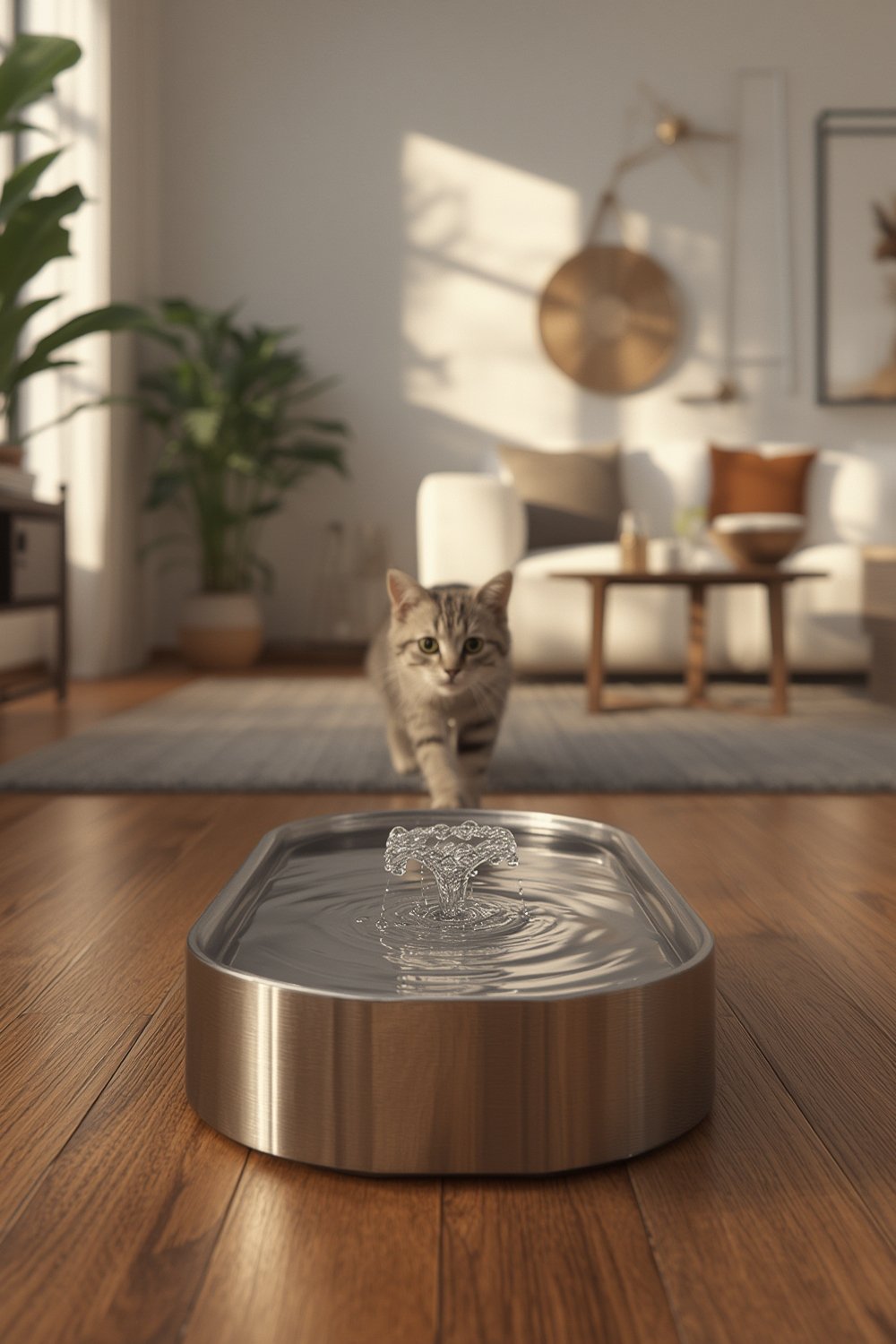
If you want a hydrated cat, especially one prone to kidney or urinary tract issues, a fountain is often more enticing than a stagnant bowl. Most units use replaceable carbon-based filters and include small pumps that keep the water circulating quietly—or at least, that’s the goal. These fountains can actually upgrade your home’s look too, especially when you combine them with pet-friendly home decor principles for function and style.
How to Set Up and Maintain a Cat Water Fountain
Getting the most from a cat water fountain involves more than plugging it in. Use these detailed steps to ensure performance, hygiene, and low stress for both you and your cat:
- Unbox and assemble carefully. Wash every part before first use—don’t skip this, as factory oils or dust can linger.
- Check filter compatibility. Always use manufacturer-approved filters to avoid leaks or poor flow.
- Decide where to place the fountain—Choose a stable, level spot away from litter boxes and high-traffic zones. This minimizes noise and splash, while reducing skittish behaviors.
- Fill with fresh, clean water. If you have hard tap water, consider filtered or bottled water to avoid rapid mineral buildup, especially if your fountain is stainless steel or has clear plastics.
- Plug in and test. Listen for hums, rattles, or chugging sounds (these may signal improper assembly or low water).
- Establish a cleaning and filter schedule. Most brands need a full clean once per week and filter replacement every 2 to 4 weeks. Mark your calendar and stick to it—neglect causes most problems.
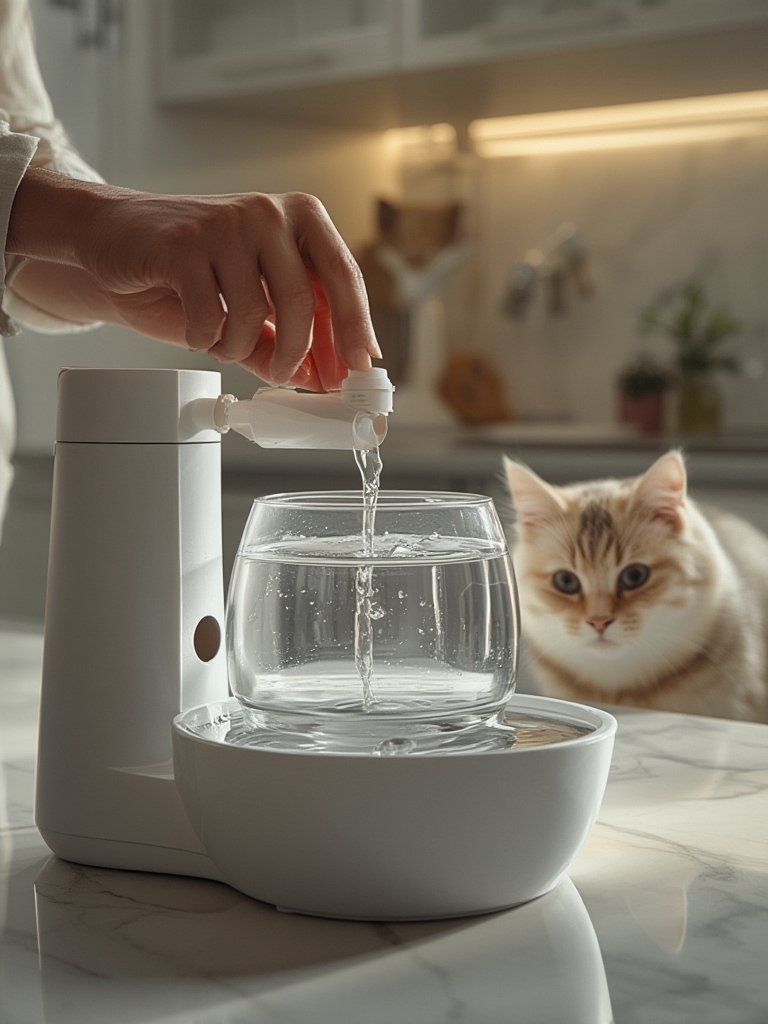
Use a soft brush for detailed cleaning—it keeps crevices and the pump clear. Never clean carbon filters with vinegar, as this reduces effectiveness and ruins filter media. When upgrading your pet area, see how a well-placed fountain pairs with inviting garden ideas if your setup includes a patio or indoor-outdoor space.
Lastly, always inspect cords and pumps during cleaning. Early detection of minor wear prevents failures. For broader pet care upgrades, combine a fountain with smart kitchen organization or modern home decor solutions that conceal wiring and add convenience.
Advanced Analysis & Common Pitfalls
Filtered cat water fountains come with some realities that often get glossed over:
- Annual cost isn’t just the fountain. You’ll spend $9 to $100 per year on filters, plus around $3 to $10 in electricity. Models with poor prefilters may triple your filter costs.
- Noise and pump wear. Most complaints about excess noise actually stem from low water, clogged filters, or units placed on uneven floors or near walls—which amplifies sound. Pumps do wear out: several years is realistic with care, but some break within 18 months.
- Filter confusion. Many filters look identical but won’t fit other brands, and using generic filters can cause leaks or reduce water clarity.
- No magic hydration cure. While these fountains encourage more drinking (especially for picky cats), there’s little evidence they prevent disease on their own. They are one tool in a bigger wellness strategy, not a replacement for proper diet or annual vet checks.
| Model | Initial Cost | Annual Filter Cost | Notes |
|---|---|---|---|
| Petkit Eversweet 2 | $25–48 | $13.59–40 | Low to moderate filter cost; reliable pump |
| Catit Flower Fountain | $25–48 | $31–62 | Popular; higher annual filter cost |
| Petlibro Fountain | $25–48 | $49.96–99.93 | Expensive filters; sleek design |
| NPET Automatic | $25–48 | $12.99–19.49 | Lowest ongoing cost |
| Cat Mate | $25–48 | $38.85–77.70 | Higher filter cost; quiet operation |
As for filtration technology, nearly all mass market fountains use carbon or basic foam. Despite marketing claims, no tested units offer UV or advanced filters with proven efficacy for cats according to independent reports. For a full breakdown, see the latest external guides.
Commonly overlooked maintenance factors—like ignoring weekly cleaning or using vinegar on sensitive plastics—lead to degraded water quality and expensive repairs. To avoid mixing pet odors in your home, check out these pet friendly home ideas for smarter storage and easy cleaning zones.
Conclusion
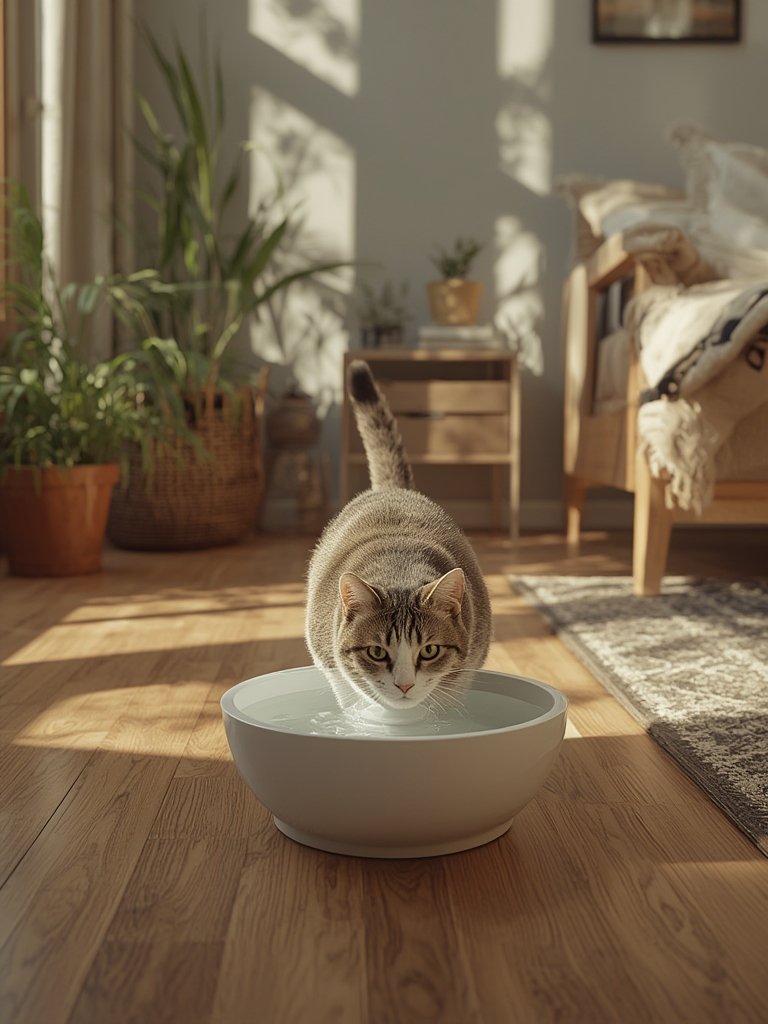
Investing in a cat water fountain offers genuine day-to-day convenience and may support your cat’s hydration habits—especially if your cat resists still water. But be realistic: filter and maintenance costs can add up, and even “whisper-quiet” units will hum with neglect. While the cat water fountain is not the only answer for feline health, it is a smart, often stylish upgrade for the right home. Ready to improve daily hydration and make pet care more streamlined? Consider which design, cost, and maintenance style really fits your household, and take action today.
FAQ
How often should I clean and replace filters in my cat water fountain?
It’s best to clean your fountain weekly and replace filters every 2–4 weeks, depending on usage and manufacturer recommendations. Some models need filter changes more often if they lack prefilters.
What if my cat water fountain is suddenly loud or stops working?
Check water levels first. Noise and malfunctions are often due to low water or a clogged pump/filter. If cleaning doesn’t solve it, inspect for part wear or contact the manufacturer for troubleshooting. Need a replacement? Try this suddenly loud or stops working solution.
What are the real annual costs—beyond the initial price?
Budget between $9 and $100 per year for filters, depending on your chosen model, plus around $3 to $10 for electricity. Models with poor prefilters or expensive cartridges may exceed this range.
Are cat water fountains really better than old-style bowls?
They keep water fresher by reducing slime, fur, and odors, which can encourage more drinking. There is no strong clinical proof they prevent illness, but many cats show a preference for moving water.
Do any popular brands have safety issues or recalls?
No significant safety recalls involving leading brands have been reported in the past three years, but always check for updates before buying or replacing components.
—