

### Blog Post:
Induction cooktop technology is changing the way people cook in 2024, reshaping kitchens with modern efficiency and safety—yet there are key details every homeowner should consider before buying. Whether you want to upgrade your main cooktop or add a portable burner for flexibility, this guide covers the essentials, potential drawbacks, and expert tips for getting the most from your induction experience.
Key Takeaways
- The global induction cooktop market is booming in 2024, with rapid growth especially in Asia-Pacific and North America. [source]
- Induction cooktops offer greater energy efficiency and faster cooking than gas, but require compatible cookware and thoughtful placement.
- portable induction cooktop models are rising in popularity for small kitchens and renters, but built-in units remain the most common in modern homes.
- What is an Induction Cooktop? Why More People Are Switching in 2024
- How to Use and Choose an Induction Cooktop: Practical Guidance
- Real-World Analysis & Pitfalls: What Most Guides Don’t Tell You
- Conclusion: Should You Buy an Induction Cooktop?
- Frequently Asked Questions
What is an Induction Cooktop? Why More People Are Switching in 2024
Induction cooktops use electromagnetic fields to heat cookware directly rather than relying on a flame or heated element. This technology is not just about style or gadgetry—it has real benefits: faster heating, better energy efficiency, and a safer surface that doesn’t stay hot once cooking stops.
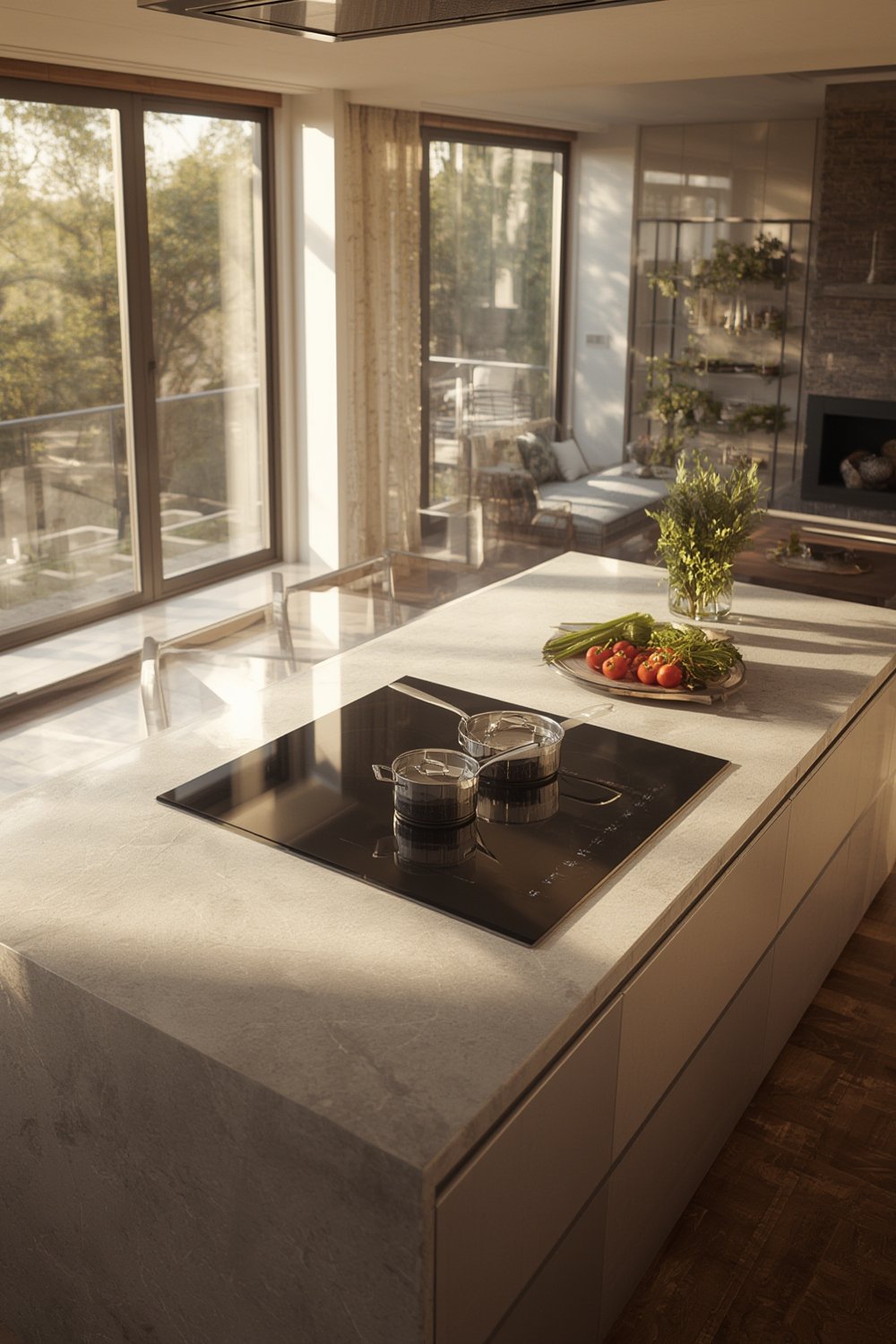
In 2024, the induction cooktop market is thriving. Globally valued at over $17 billion in 2023, it’s projected to rise thanks to growing interest in energy-efficiency and modern kitchen design. Asia-Pacific, especially India and China, is seeing the highest growth—urbanization and smaller homes drive demand for portable and compact models. North America and the European Union are also strong markets, where sustainability and reducing gas costs push people to upgrade.
Most induction cooktops fall into two categories: portable (free-standing) and built-in (integrated). While portable models are popular among urban dwellers and renters, built-in options dominate new modular kitchens due to aesthetics and features like multiple cooking zones. As people seek convenience, efficiency, and safety, it’s no surprise induction is becoming a go-to for kitchen upgrades.
If you’re dreaming of a fast, efficient cooking experience or if you want to update your home’s energy footprint, the induction cooktop is a modern solution worth serious consideration. Still, understanding your options—and their limitations—is key before making the switch.
How to Use and Choose an Induction Cooktop: Practical Guidance
Switching to induction is straightforward once you know the key steps and decision points. Here’s how to navigate the purchase and setup process:
- Check Your Cookware: Induction only works with ferrous (magnetic base) pots and pans. Bring a magnet to your kitchen or store—if it sticks, your cookware will work.
- Assess Your Space: Decide if you need a portable burner or a built-in unit. Portable induction cooktops are ideal for renters, small spaces, or adding an extra burner. Built-in units suit permanent installations and complete kitchen remodels—see these modern kitchen ideas for inspiration.
- Compare Features: Look for adjustable power levels, precise temperature controls, automatic shut-off, and safety lock features. Higher wattages (1,800–3,700W) heat faster but may require dedicated electrical circuits for built-in models.
- Plan for Installation: Built-ins typically need a professional for wiring. Portable versions just plug into a standard outlet. Make sure your countertop can handle the unit’s size and ventilation needs; consult with experts if in doubt.
- Optimize Usage: After setup, always keep the cooktop surface clean and dry. Use flat-bottom pans to ensure even heating and reduce noise.
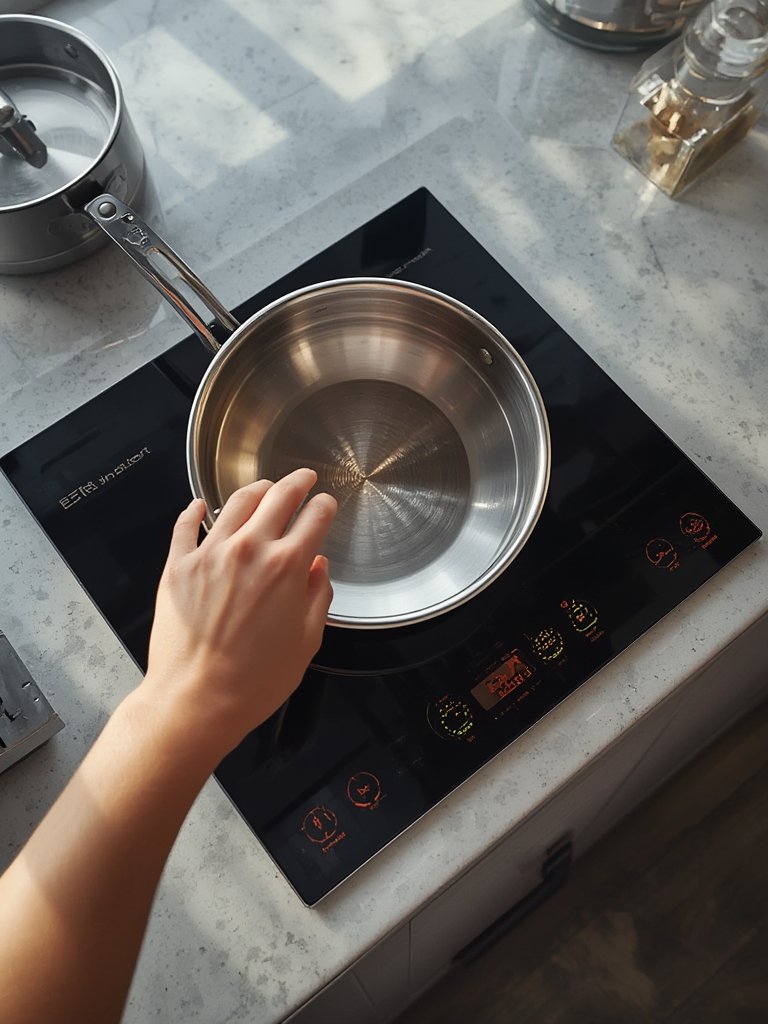
For renters or those with tight spaces, a portable induction cooktop is a serious upgrade compared to traditional hot plates. They store easily and can turn any counter into a cooking station. Built-in models, on the other hand, seamlessly blend with minimalist home styles—check out these home decor ideas for more ways to integrate appliances into your kitchen aesthetic.
If you’re focused on function, look for models with child locks, pan detection sensors, and touch controls for extra safety—especially useful in pet-friendly or busy households. For more clever kitchen upgrades, see our round-up on pet-friendly home ideas.
Real-World Analysis & Pitfalls: What Most Guides Don’t Tell You
Despite the surge in adoption, induction cooktops aren’t perfect for every household. Here’s what research and real-world experiences reveal about possible limitations and mistakes to avoid:
- Cookware Compatibility: Only ferrous (magnetic) cookware works—aluminum, copper, or glass won’t heat unless paired with an induction disk. Not all guides mention this crucial step.
- Noise Levels: Some induction burners emit faint buzzing or clicking sounds, especially at high power. Using perfectly flat and heavy-bottomed pans can help muffle these noises.
- Countertop Space and Placement: Portables need stable, heat-resistant surfaces. Avoid using on weak or cluttered counters—leave ventilation space beneath to prevent overheating, a detail missed in many how-tos.
- Aesthetic Dominance: Built-in cooktops often win on looks in modern modular kitchens, but portable units may look out of place or “temporary” if not planned carefully in your space.
- Market Trends: In Asia-Pacific, portable cooktops are especially popular because they save space and match the needs of urban living—however, most top articles skip this regional nuance.
- Lack of User Review Data: Most research reports talk up advantages (energy, speed) but offer little detail on buyer complaints or specific model issues—do your own research and test in person if possible.
| Factor | Induction Cooktop | Gas Stove |
|---|---|---|
| Upfront Cost | Mid to High (esp. built-in) | Low to Mid |
| Installation | Easy (portable); Complex (built-in) | Moderate; gas line required |
| Energy Efficiency | High (more heat goes into food) | Low to Moderate |
| Cookware Needs | Requires magnetic base | Any material |
| Safety | Cool-touch, auto-shutoff | Open flame; risk of leaks |
| Cost Savings (Long Term) | Lower utility bills (if electricity is cheap) | Subject to rising gas prices |
| Maintenance | Wipe-down surface | Burner grates, gas line checks |
For families that prioritize safety, induction offers a distinct edge: the surface remains cool, and many models have automatic shut-off. But there are trade-offs—higher initial costs (especially for built-in units), cookware limitations, and in some cases, unfamiliar electronic controls. If your home sees a lot of daily cooking or you want to future-proof with energy savings, it’s a smart move. But casual cooks or those attached to flame grilling might falter with the transition. For more organizing and space-saving strategies, see our kitchen ideas roundup.
Conclusion: Should You Buy an Induction Cooktop?
The induction cooktop is transforming modern homes in 2024—delivering energy savings, speed, and greater security in the kitchen. But it’s important to weigh these benefits against codependent cookware needs, situational noise, and the sometimes higher upfront price.
If you want flexible cooking, especially in a small or modular kitchen, a portable induction cooktop can make everyday cooking effortless. For permanent renovations, integrated models provide a polished, modern look and futureproof efficiency.
Ready to choose the best induction cooktop for your home? Take the next step—see how to instantly upgrade your space with more inspiring home decor ideas that align with your new appliance. Or check out the latest induction cooktop research for deeper dives into trends and innovation.
Frequently Asked Questions
Do induction cooktops use less energy than gas or electric stoves?
Yes, induction cooktops are generally more energy efficient because they transfer heat directly to compatible cookware, reducing wasted energy and cutting down cooking time. While actual savings depend on electricity rates in your area, most households see lower utility bills over time. [source]
Will I need new pots and pans for induction cooking?
You might. Only cookware with a magnetic (ferrous) base works with induction. Bring a magnet to test your existing pots and pans—if it sticks, you’re all set. Otherwise, consider induction-compatible replacements or use an interface disk.
Are portable induction cooktops a good solution for small kitchens?
Absolutely. Portable induction cooktops are lightweight, easy to store, and perfect for apartments, dorms, or outdoor cooking. They’re in high demand in urban markets where space is limited. For additional tips, see our small kitchen ideas.
What safety features should I look for in a modern induction cooktop?
Look for features such as automatic shut-off, child lock, pan detection, and touch controls. These are especially beneficial in homes with children or pets—see our pet-friendly home guide for more safety strategies.
Are there any downsides to induction cooktops?
The main downsides are the need for compatible cookware, higher upfront costs (especially for built-in units), and a learning curve with controls. Some people notice a low-level noise during use. Plan placement carefully to avoid stability or ventilation issues.