

Garage insulation kit installation can quickly change your garage’s comfort and your home’s energy costs—if you choose the right approach.
Key Takeaways
- Garage insulation kits can reduce garage energy loss by up to 70% and cut heating costs by 10-20% per year.
- Choosing the best kit for your climate and ensuring proper sealing are crucial for real energy savings.
- Long-term ROI includes property value gains, but installation errors and overlooked details can ruin results.
- What Is a Garage Insulation Kit and Why Should You Care?
- How to Install a Garage Insulation Kit (Step-by-Step)
- Advanced Analysis and Common Pitfalls with Garage Insulation Kits
- Conclusion
- Frequently Asked Questions
What Is a Garage Insulation Kit and Why Should You Care?
A garage insulation kit is a prepackaged solution made to upgrade your garage’s thermal performance. It typically includes insulation panels (often polyester, reflective foil, or fiberglass), fastening materials, and sometimes adhesives or tape. The aim is to minimize temperature swings, lower your energy bills, and make garages more usable all year round.
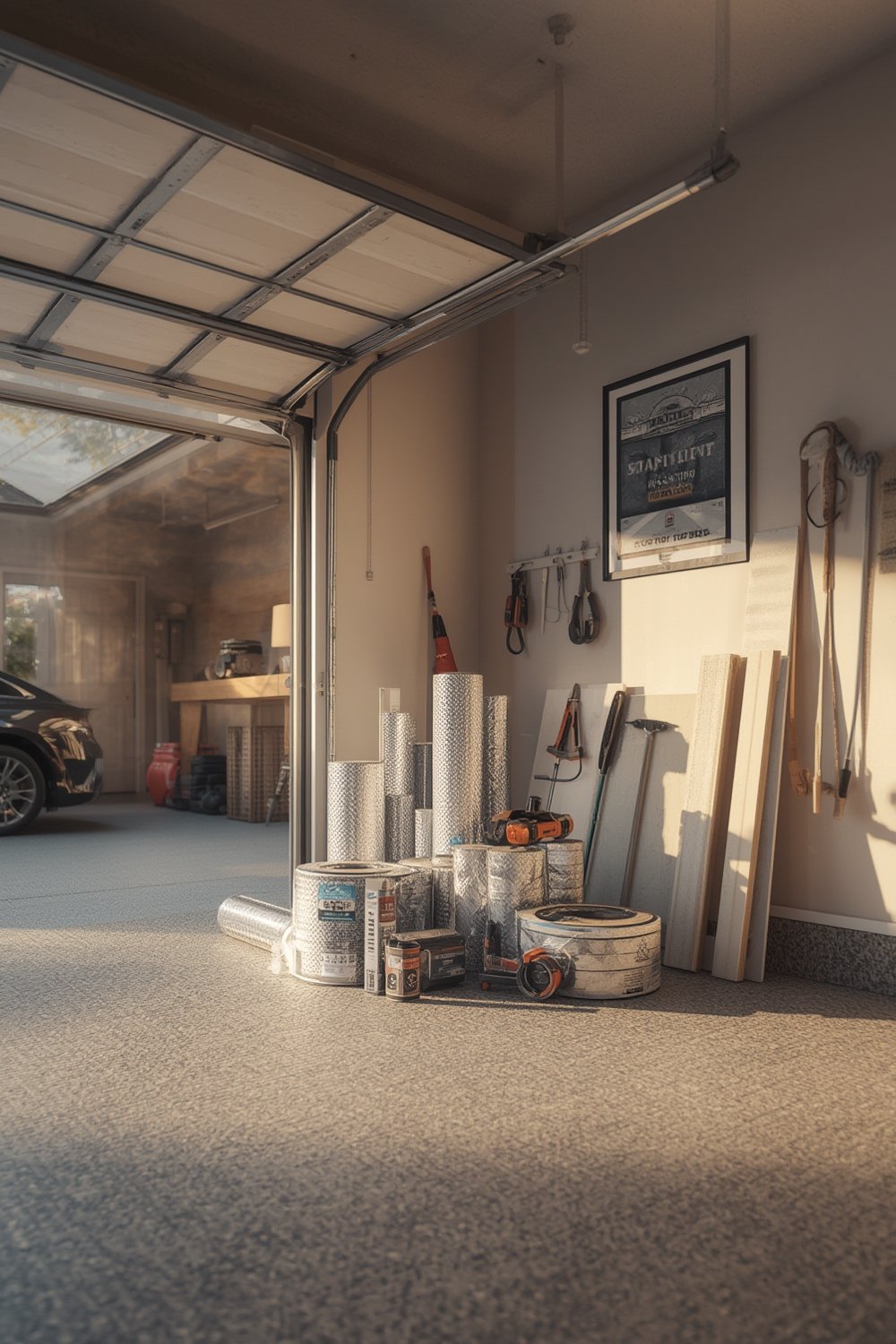
The real benefit is efficiency. According to the Door & Access Systems Manufacturers Association, insulated garage doors can lower energy loss by up to 70 percent compared to bare doors. The Department of Energy finds that garage door insulation trims heating costs by up to 20 percent each year—especially if your garage is attached or beneath bedrooms.
But more than just numbers, a kit makes the garage’s temperature stable. For example, a Phoenix garage with reflective foil insulation saw a 25°F drop in door panel temperatures after installation (see case study here). In practical terms, that’s the difference between a stuffy sauna and a usable workspace for hobbies, car care, or storage.
Finally, the garage insulation kit market is booming, now worth over $1.2 billion globally, and expected to almost double by 2030 (industry report). Upgraded garages also boost your property value and can extend the life of what you store inside.
For more home improvement inspiration, check out these home decor ideas that instantly upgrade your space.
How to Install a Garage Insulation Kit (Step-by-Step)
Installing a garage insulation kit is a straightforward project for most DIYers, but results depend on careful prep and attention to detail. Here’s a proven process from start to finish.
- Clear and Clean the Space
- Move cars and stored items away from the door. Wipe down the door panels to remove dust, grease, or cobwebs—the adhesives provided won’t stick otherwise.
- Seal the Edges
- Before adding insulation, install new door bottom seals. This step is often overlooked, yet poor seals can make even the best insulation kit almost useless. Replace cracked or aged perimeter seals for maximum effect.
- Measure Twice, Cut Once
- Lay out all kit contents. Measure every door cavity and mark up insulation panels before cutting. Exact sizing enables a snug fit and optimal thermal barrier.
- Install Panels and Secure
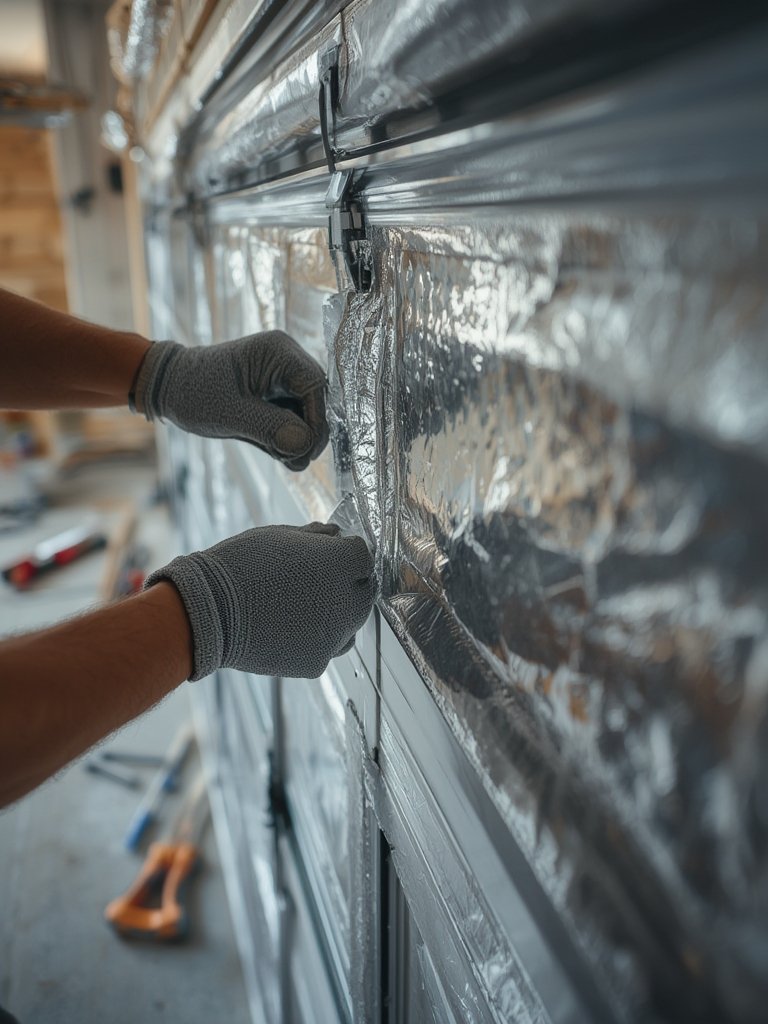
- Press-fit or anchor insulation panels into the recesses of the door. For foil or foam kits, face the reflective side outward toward the sun if you’re in a hot climate. Use manufacturer-provided pins, clips, or tape to keep panels flush and prevent shifting over time.
- Seal Any Gaps and Double Check
- Use foil tape or spray foam to fill any small cracks between panels or at the edges. This is where most DIYers fall short and lose efficiency. Open and close your garage door a few times to make sure clearance and panel fit are perfect.
- Inspect and Finalize
- Check your work for loose spots. If using reflective foil, wipe off fingerprints to maintain full radiant reflection.
Take your time. Many failed insulation attempts stem from rushing measurements, skipping perimeter weather sealing, or underestimating panel trimming needs. Also, remember that in some climates, you may want to choose insulation with the highest possible R-value (for cold regions) or a high solar reflection factor (for hot, sunny locations).
If you’re interested in other hands-on home upgrades, don’t miss our guide to kitchen ideas that make everyday cooking feel effortless.
Advanced Analysis and Common Pitfalls with Garage Insulation Kits
Most garage insulation kit buyers are not professional installers—and that’s where performance often falls short. Common pitfalls can wipe out expected energy savings or even damage your garage door.
Top Pitfalls and Problems
- Poor Sealing: Not integrating weather stripping with insulation panels is the number one cause of disappointing results. Even a small air gap can undermine a kit’s entire effectiveness (see expert tip here).
- Wrong Material for Climate: Reflective foil kits can be fantastic in hot, sunny climates, but not in cold winters where insulating foam or batts with high R-value are required.
- Improper Panel Fit: Pre-cut panels not trimmed to exact cavity dimensions lead to air leaks, excessive condensation, or panels falling out over time.
- Overloading Door Mechanism: Some heavy insulation options may require garage door spring recalibration. Failing to do this could wear out your opener or damage hardware.
- DIY vs. Professional Installation: While DIY is possible for most, serious energy savings require high attention to detail. For older doors, warped panels, or if your garage is a critical living space, professional installation can be cost-justified. Mistakes here might void your door’s warranty or reduce its lifespan. Get clear on your experience level before opening the kit.
Kit Material Comparison
| Material Type | R-Value Range | Best For | Key Properties |
|---|---|---|---|
| Polyurethane Foam | R-12 to R-20 | Cold/variable climates | Superior insulation, adds strength, dampens sound |
| Reflective Foil (Bubble or Foam Core) | Low/Moderate | Hot/sunny climates | Reflects up to 97% of radiant energy, light and easy to cut |
| Fiberglass Batts | Lower (Less than foam) | DIYers, budget projects | Affordable, easy to source, can irritate skin/eyes |
Case studies back up real-world savings: In a 200-unit Midwest retrofit, reflective foil had a payback period of 30 months with a 12 percent reduction in electric bills, and near-zero freeze damage calls. In Phoenix, before-and-after data shows a dramatic drop in interior panel heat.
Learn more ways to keep your home functional and stylish at pet-friendly home ideas that balance comfort and design.
Conclusion
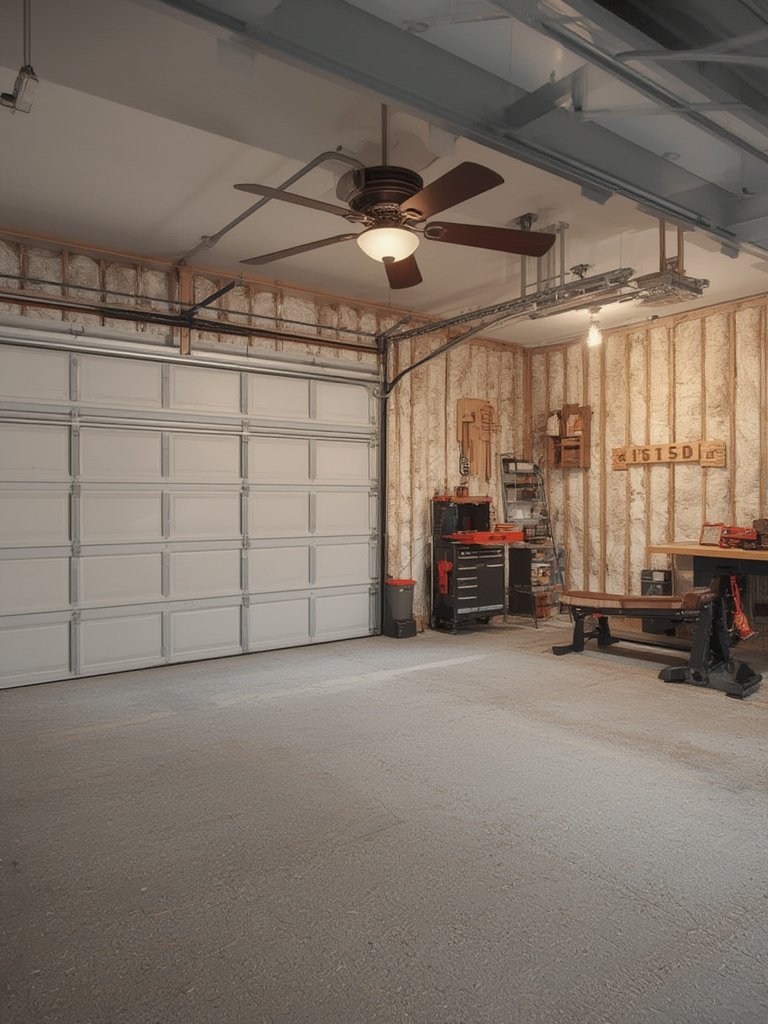
A garage insulation kit offers more than just comfort—it can deliver real, sustained energy savings and increase your home’s value when installed and sealed correctly. Always size and seal carefully, match insulation material to your region, and don’t underestimate the impact of detailed installation steps. If you’re tackling multiple upgrades, pair insulation with thoughtful design by exploring our picks for modern home decor ideas.
Ready to get started? Compare kits, assess your DIY confidence, and make your garage a comfortable, energy-smart part of your home. Using a quality garage insulation kit pays back in both savings and everyday comfort year-round.
Frequently Asked Questions
How much money can I save by installing a garage insulation kit?
Expect savings of $24–$36 per year if your garage accounts for 10 percent of your home’s energy use. Over decades, this adds up, including gains in property value. Some larger homes report $120–$200 per year in cooling savings.
What is the best insulation material for a garage?
For cold climates, polyurethane foam panels offer high R-value insulation. For sun-exposed or hot climates, reflective foil kits are best for blocking radiant heat. Fiberglass is a budget option but may require additional sealing.
Can I install a garage insulation kit myself?
Yes, most kits are DIY-friendly for basic panel and foil options. For older doors, heavy insulation, or warped panels, consider professional installation to avoid problems and potential door damage.
Do I need to upgrade the weatherstripping with my insulation kit?
Absolutely—failing to update perimeter and bottom seals is the top cause of disappointing insulation performance. Combine new seals with your kit for the best energy savings.
Does garage insulation increase property value?
Upgrading insulation can increase property value by up to 83 percent of your investment, especially if your garage connects to the house or is used as living space.