

### Blog Post:
Countertop ice maker machines have become a must-have for anyone who wants fast, fresh ice at home without installing built-in appliances. Whether you’re planning parties, love nugget ice, or have a small kitchen, the right model can level up daily living—but there are critical details every buyer should know.
Key Takeaways
- Countertop ice makers offer convenient, on-demand ice—key for home entertaining, small spaces, and portable needs.
- Choosing among types (cube, bullet, nugget/sonic) means balancing ice texture, speed, and maintenance for your lifestyle.
- Common pitfalls include energy usage, cleaning demands, and capacity mismatches—check specs, features, and real-life needs before you buy.
- What is a Countertop Ice Maker and Why People Love It
- How to Choose and Use a Countertop Ice Maker: Step-by-Step Guide
- Advanced Analysis and Common Pitfalls
- Conclusion
- FAQ
What is a Countertop Ice Maker and Why People Love It
A countertop ice maker is a compact, plug-and-play appliance designed to make ice quickly and conveniently wherever you need it. Unlike traditional built-in or under-counter machines, these units require only a power outlet and water, with no plumbing or permanent installation. They’re popular for home kitchens, office break rooms, RVs, dorms, and outdoor events.
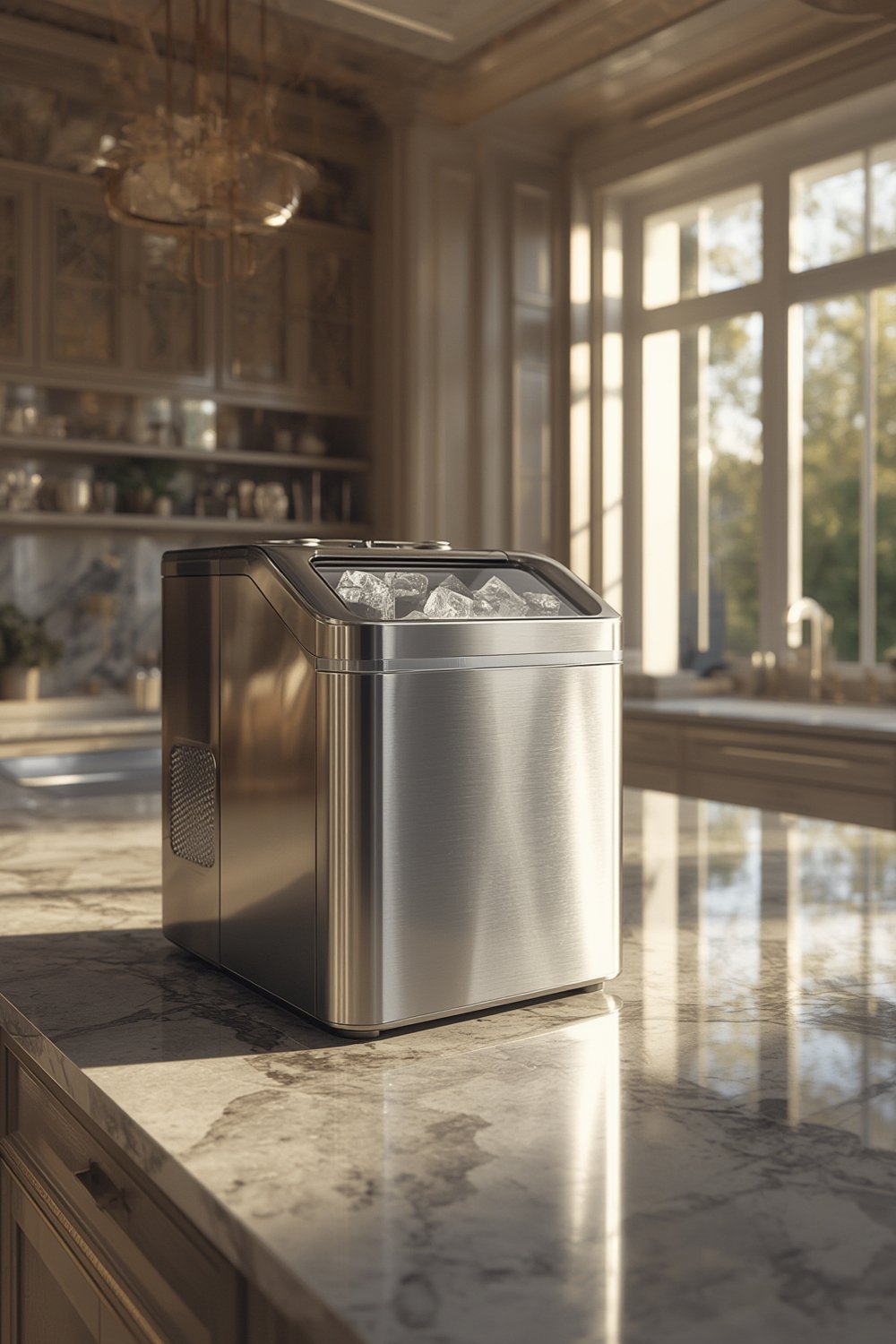
The 2024 market statistics highlight why these machines have surged in demand. The global countertop ice maker market was valued at up to $2.7 billion in 2024. Major growth drivers include the need for on-demand ice at home, in small living spaces, for home gatherings, and among those with busy lifestyles. Technological advances have also made models quieter, more efficient, and smarter. Nugget and portable options are especially popular for their flexibility—perfect for renters, campers, or anyone who doesn’t want a built-in solution.
If you want your kitchen more functional without a costly remodel, pairing a countertop ice maker with smart kitchen ideas for everyday efficiency (like clever storage and modern small appliances) is a highly effective strategy.
How to Choose and Use a Countertop Ice Maker: Step-by-Step Guide
Choosing the right ice maker isn’t just about picking the prettiest model. Here’s a realistic, step-by-step process for getting this important kitchen upgrade right:
- Define Your Ice Needs:
- Ice Type: Do you prefer soft, chewable nugget ice for cocktails and sodas, or harder bullet or cube ice for longevity in drinks? If you love the soft “sonic” ice, prioritize nugget models.
- Use Case: Will it live in your kitchen, be taken camping, or used in an office?
- Capacity: For parties or big families, look at 20-40 lbs/day or more. For individuals or couples, 20 lbs/day or under is often enough.
- Check the Technical Specs:
- Production Rate: Common ranges are under 20 lbs/day, 20-50 lbs/day, and 50+ lbs/day (reference).
- Cycle Time: Many machines produce a new batch every 6-10 minutes.
- Features: Removable ice bins, touch controls, auto-clean, water filtration, smart apps, and multi-size ice options now exist even on home models.
- No complex installation: Most are plug-and-play, but some high-output models are heavier and less portable.
- Research Power, Maintenance, and Noise:
- Energy: Countertop ice makers require constant power while running, meaning ongoing energy cost compared to basic ice trays.
- Cleaning: Look for self-clean functions, but expect to manually deep clean monthly and dry internal parts before storage.
- Noise: While models have improved, all countertop machines make some noise, mostly during ice harvesting cycles. No current market data directly compares decibel levels.
- Understand Cost vs. Features:
- Pricing varies, but generally, the more output and specialty features (like smart controls or water filtration), the higher the cost. Nugget ice makers are typically at the upper end.
- Consider total cost of ownership, including replacement filters and cleaning solutions.
- Think Ahead About Warranty and Returns:
- Most reputable brands offer 1-year limited warranties, but always check terms. Many retailers give 30-day returns on appliances, but this also varies by point of sale.
- Document your purchase and register the unit for best support.
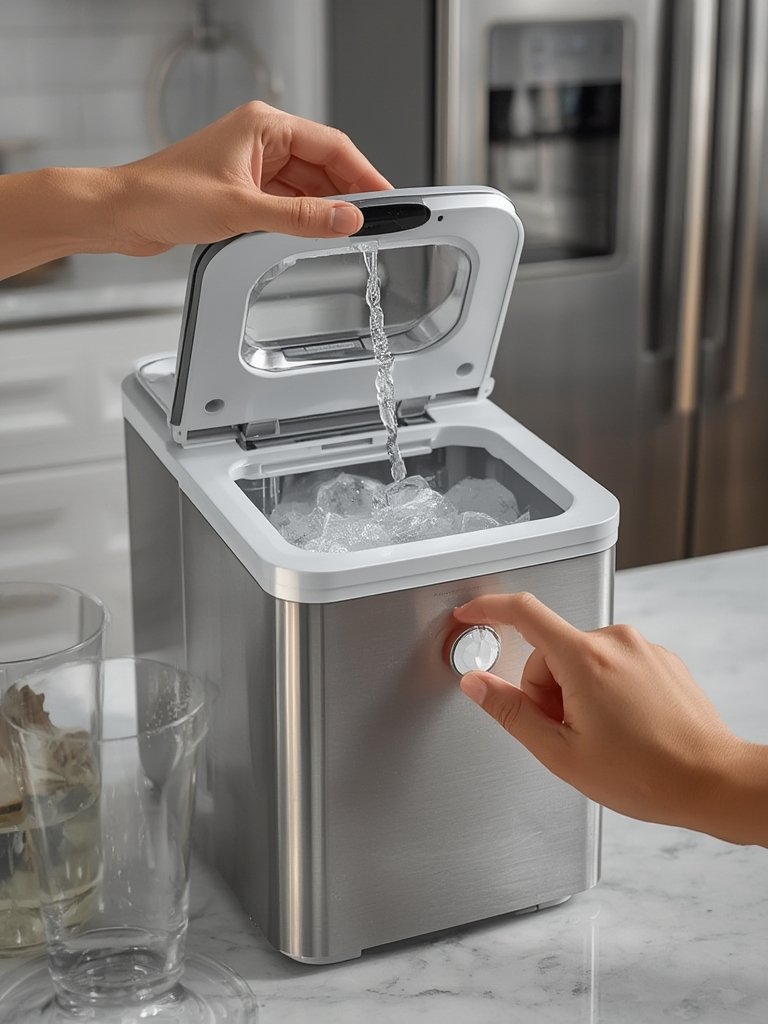
By following these steps, you’ll avoid most of the regrets buyers face (like ending up with a unit that’s too small for your needs or too noisy for your living situation). If you want your kitchen to be both organized and efficient, review more modern kitchen design ideas to optimize every inch of your space.
Integrate your ice maker with functional decor upgrades for a seamless countertop look, especially in minimalist home style settings or open kitchen layouts.
Advanced Analysis and Common Pitfalls
Countertop ice makers make life easier, but they aren’t perfect. Here are the most realistic downsides and pitfalls based on the latest market research:
- Energy Consumption: Requires constant power—adds to your monthly bill and isn’t suitable if you lose power frequently.
- Maintenance & Cleaning: Needs regular descaling, sanitizing, and draining. Neglecting cleaning leads to scale buildup and off-tasting ice.
- Capacity Mismatch: Models under 20 lbs a day are frustrating for bigger households or parties. Overbuying leads to wasted space and electricity.
- Noise: While improved, still louder than a refrigerator’s ice maker, especially when harvesting ice. For open-plan living spaces, noise can be noticeable.
- Ice Texture: Nugget (chewable) vs. bullet (solid) vs. cube—choose carefully, as texture affects drink quality and melting rates.
- Filter and Accessory Costs: Premium models require periodic new filters—factor this into your operating budget.
- Return or Service Headaches: Warranty is often one year. Keep your receipt and read the return window—returns on countertop appliances can be a hassle.
| Type | Ice Texture | Best For | Pros | Cons |
|---|---|---|---|---|
| Nugget (Sonic) | Soft, chewable | Cocktails, sodas, people who chew ice | Fun texture; fast cooling | Higher cost; can need more cleaning |
| Bullet | Solid, cylindrical | General use, parties, chilling drinks | Fast ice, lower price | Less fun to chew; average texture |
| Cube | Hard, square/rectangular | Classic drinks, lasting ice | Best for slow-melting drinks | Slowest to make; not soft |
If you love to entertain outdoors, combine your ice maker with smart garden organization ideas for efficient summer hosting. Homes with pets should plan placement so pets can’t tamper with the machine—a sensible tip from our pet-friendly home guide.
Conclusion
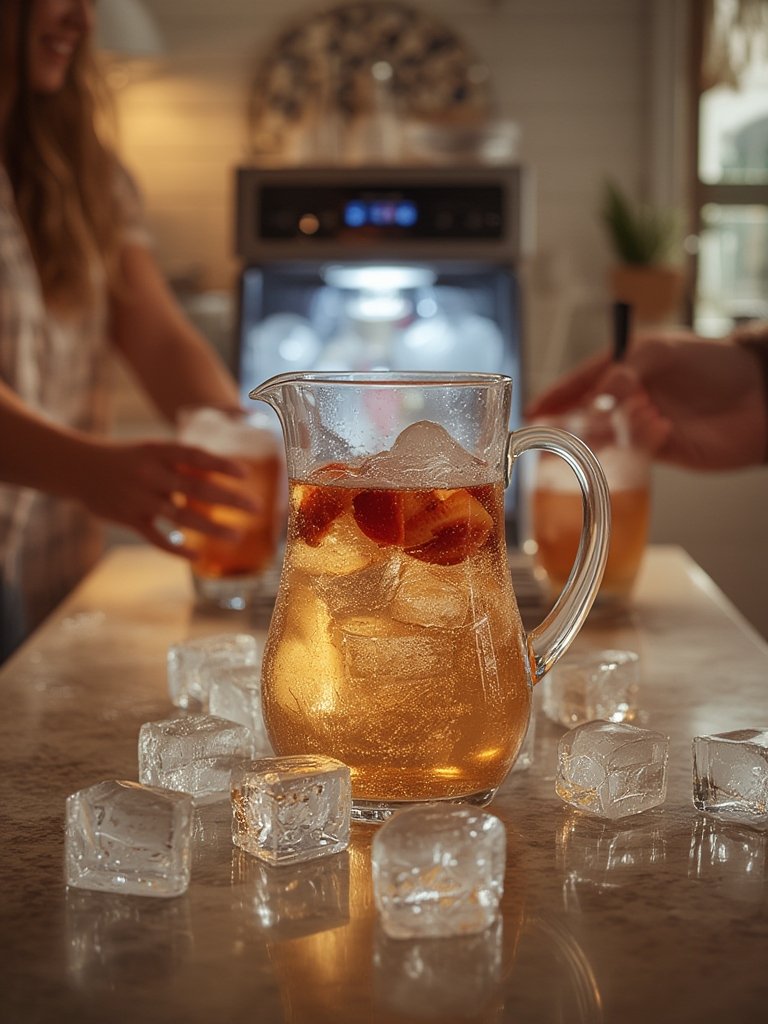
Modern countertop ice maker units offer a fast, space-saving way to enjoy your favorite ice at home—no plumbing, no hassle, just reliable performance. Yet success depends on matching your needs to the right balance of capacity, ice type, and maintenance. Before you buy, weigh real-world factors like cleaning demands and power use. With a bit of planning, the perfect countertop ice maker can transform both everyday life and special gatherings.
Ready to experience fresh ice on demand? Compare top-rated models and set up your space for effortless refreshments today!
FAQ
Are countertop ice makers noisy?
Most models make some noise, especially during the ice-harvesting cycle. While quieter than older units, expect a low hum and occasional clunks—especially if located in an open living/kitchen area. If quiet operation is a top concern, check real-user reviews and look for models advertising noise-reduction features.
How much maintenance does a countertop ice maker need?
Routine cleaning is essential—clean and descale at least once a month. Many newer models have self-cleaning modes, but interior bins and trays still require manual scrubbing and air-drying. Using filtered water helps reduce mineral buildup and taste issues.
What do I do if the ice tastes bad?
First, clean and descale your machine. If taste issues persist, use filtered or bottled water instead of tap. Also, empty the storage bin frequently—ice that sits too long may absorb freezer or appliance odors.
Do nugget or “sonic” ice makers need special maintenance?
Nugget ice makers can require more frequent cleaning than bullet or cube models, as their mechanisms are more complex and more prone to mineral buildup. Always follow the manufacturer’s instructions and use recommended cleaning products.
Can countertop ice makers be used outdoors?
Most units are designed for indoor use only. For outdoor parties or camping, use the machine in a protected environment and avoid exposure to rain, dust, or extreme temperatures unless the product is rated for outdoor use.