

### Blog Post:
pet anxiety vest solutions have become a popular way for pet owners to manage nervous behavior in their dogs and cats, but do they really work, and what should you know before investing in one?
Key Takeaways
- Evidence shows pet anxiety vests provide small, variable benefits for some dogs but do not cure anxiety or work for all pets.
- Proper fit and comfort are critical; too tight can mean discomfort, too loose won’t calm your pet.
- Consult your vet before using for elderly pets or those with preexisting health concerns—prolonged or incorrect use has untested risks.
- What Are Pet Anxiety Vests and Why Use One?
- How to Use a Pet Anxiety Vest: A Step-By-Step Guide
- Advanced Analysis and Common Pitfalls
- Conclusion
- FAQ: Pet Anxiety Vests
What Are Pet Anxiety Vests and Why Use One?
A pet anxiety vest is a specialized garment designed to apply gentle, constant pressure to your pet’s torso. This calming technique mimics swaddling therapy used for infants, aiming to reduce anxiety during stressful situations like thunderstorms, fireworks, separation or travel. Brands like Thundershirt and others claim that these vests promote relaxation and cut down on anxious behaviors such as barking, pacing, trembling or hiding.
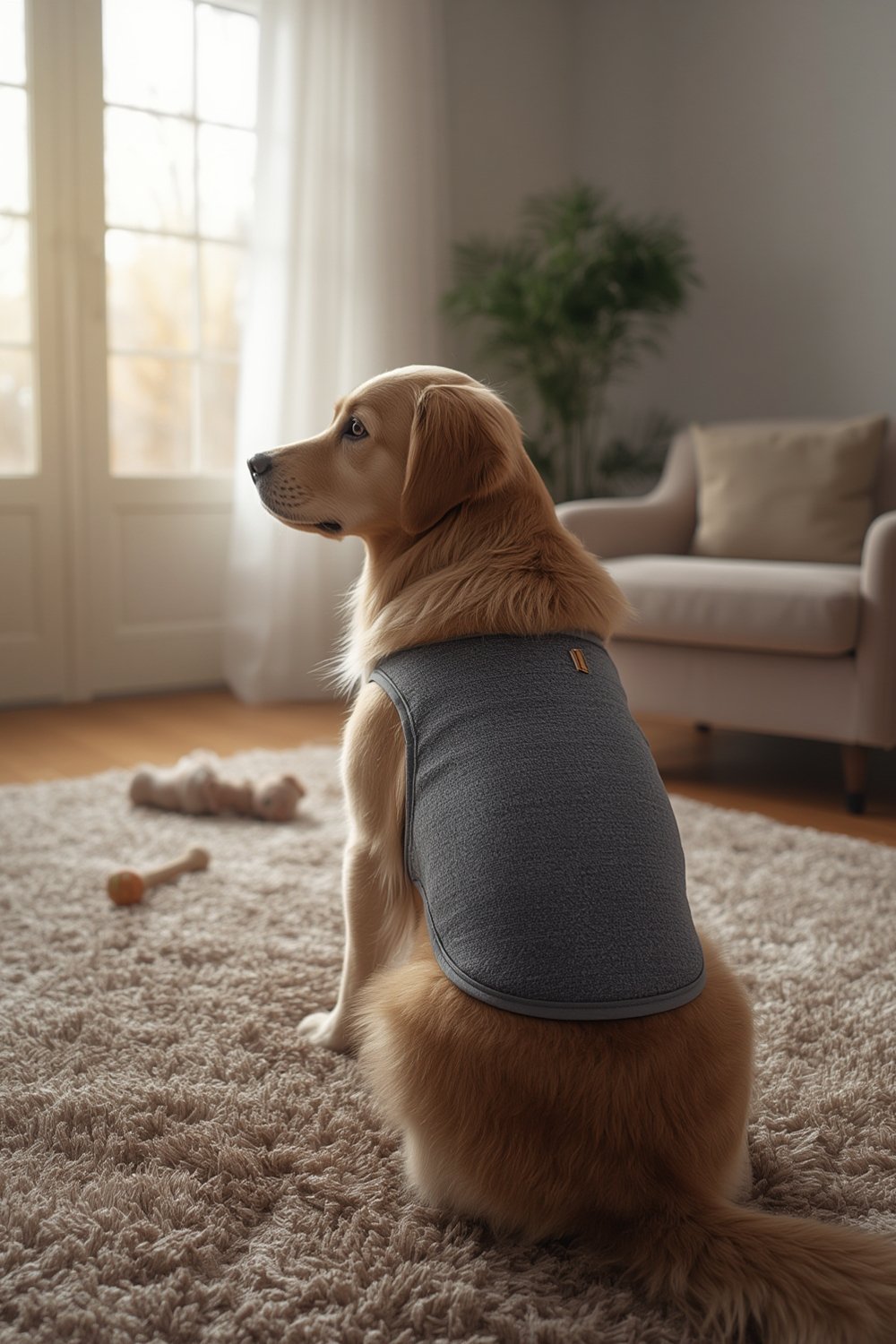
Scientific research, although still limited and mostly pre-2023, suggests moderate benefits for some dogs. For example, tightly fitted vests reduced anxiety-related behaviors by 53 percent during simulated thunderstorms and led to an average 8 percent drop in heart rate [source]. Owner surveys report improvements (with up to 89 percent noting less shaking and pacing); however, studies highlight that these results are subjective and sometimes influenced by expectation bias [source].
While there’s promise, anxiety vests should not be viewed as a substitute for behavior modification training or veterinary care, but rather as a supportive tool—especially in multi-modal anxiety management approaches. Unfortunately, there is no published evidence on the effects of anxiety vests for cats as of 2024, and research on long-term or overnight use is lacking [source].
If your household has several pets or you want a style-forward approach to pet comfort, scan these pet-friendly home ideas to create a more supportive environment overall.
How to Use a Pet Anxiety Vest: A Step-By-Step Guide
Using a pet anxiety vest isn’t complicated, but effectiveness depends on fit, timing, and close attention to your pet’s response. Here’s how to get the most out of it:
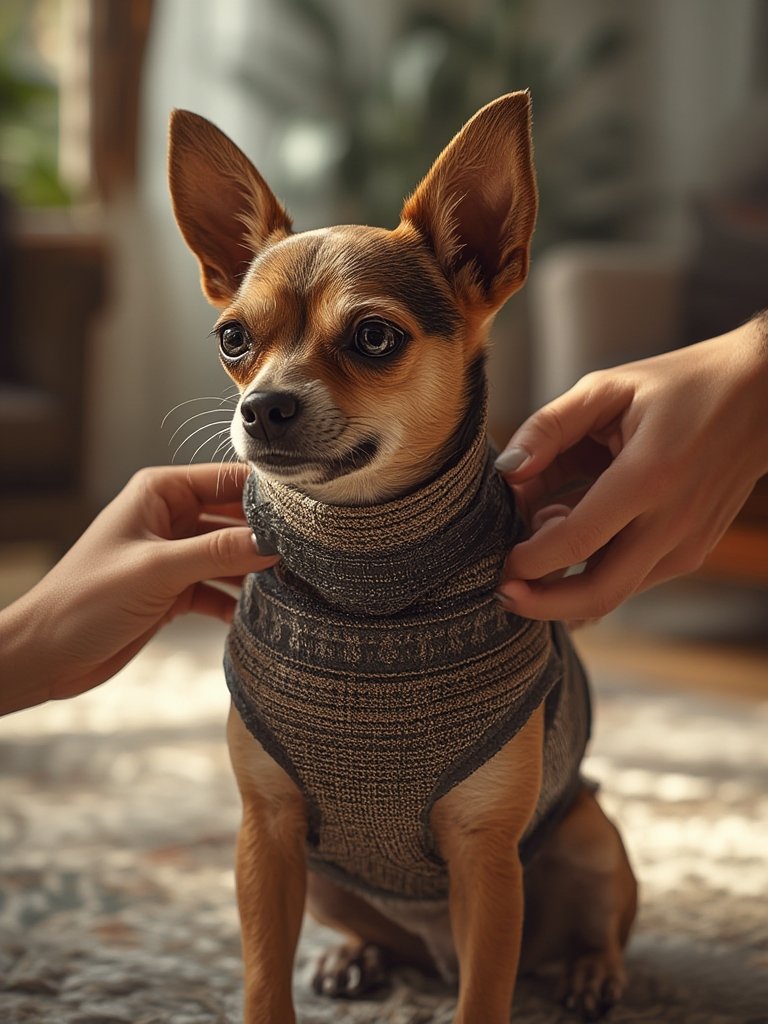
- Measure your pet for fit. Check the brand’s sizing chart and use a soft tape to measure the girth, chest, and neck of your pet. A vest that is too tight can cause discomfort, while a loose vest is ineffective. If your pet is a unique breed or falls between sizes, always size up for safety.
- Introduce the vest slowly. Let your pet investigate the vest off-body first. Once your pet is curious but not anxious, put it on gently, adjusting snugly but not tightly. Look for a fit similar to a close-fitting T-shirt. Observe your pet’s body language for any signs of stress or discomfort.
- Monitor during wear. First sessions should last only 10 to 20 minutes. Keep your pet under observation—if you notice less laying down or signs of itching, difficulty breathing, or panicked behavior, remove the vest and reassess fit. Increase the wearing time only if your pet seems comfortable and relaxed.
- Time use strategically. Use the vest 15-30 minutes before an anxiety trigger. Remove it after the stressful event passes. Do not leave the vest on all day or night unless directed by your veterinarian. Prolonged or improper use hasn’t been sufficiently studied and could risk your pet’s comfort or safety, especially for older pets or hot environments.
- Pair with other supports. Anxiety vests work best alongside other calming aids: for example, noise machines for thunderstorm phobias, crate training, puzzle toys, or pheromone diffusers. Explore more home and garden calming tricks in these garden ideas for pet-friendly outdoor distractions.
Most importantly, remember that some pets—especially those with severe or clinical-level anxiety—may show little or no immediate benefit from these vests. In those cases, consult your vet about behavioral therapy or medication. For more practical strategies to make your home a comforting retreat for pets, scan these pet-friendly home ideas and consider small upgrades in both indoor and outdoor spaces.
Advanced Analysis and Common Pitfalls
Pet anxiety vests aren’t miracle solutions. It’s essential to go in with realistic expectations to avoid disappointment or unintentionally causing stress for your pet. Here are the real-world issues and overlooked limitations every owner should know:
| Factor | Potential Issue | What the Research Says | User Tip |
|---|---|---|---|
| Fit & Size | Too tight causes discomfort; too loose has no effect; hard-to-fit breeds struggle with standard sizing | Research shows loose vests are ineffective; tight vests reduce some anxiety but may reduce lying down time (a comfort signal) [source] | Prioritize comfort, use size charts, and test fit before long wear |
| Effectiveness | Doesn’t work for every pet; only moderate, short-term reduction in anxiety | Owner surveys show benefits for up to 89 percent of dogs, but studies note only partial or subjective improvement [source] | Combine with positive reinforcement, not as a standalone cure |
| Long-Term & Safety | Unknown risks with prolonged/all-night use, risk of overheating, unsuitability for some health conditions | No controlled studies on extended use or for elderly/medical-risk pets [source] | Ask your vet first for older pets or if you live in warmer climates |
| Cat vs. Dog Design | No research or reviews on effectiveness for cats | All published studies focus on dogs only | If considering for a cat, test under supervision and consult your vet |
| Multi-Pet Homes | May cause jealousy, ranking issues or fit struggles with differently sized pets | Not studied in multi-pet scenarios | Introduce the vest individually, monitor group dynamics |
| Return Policies | Lack of clear trial, warranty, or return info may complicate purchases | 2024 info from major brands unavailable | Contact retailer for return policy before buying |
If you want a calming effect that’s both functional and blends in with your home, explore home decor ideas that support pets as well as aesthetics.
Some alternative approaches to try alongside a pet anxiety vest: ambient noise makers, pheromone plug-ins, puzzle feeders, and pet-safe designated retreat zones. You’ll find more multi-modal tips in these kitchen organization ideas that make daily routines with pets smoother.
Conclusion
Pet anxiety vests offer a feasible, generally safe way to help anxious dogs through certain types of fear or stress, but their effect is limited and depends heavily on how well you address fit and comfort. Currently, no solid scientific evidence exists for anxiety vests in cats, and little is known about long-term use or risks. If choosing to try a pet anxiety vest, always start slow, observe safety guidance, and integrate it into a supportive routine—not as a replacement for medical advice or behavioral training.
Ready to help your companion feel more at ease? Measure carefully, consult with your vet, try out a quality pet anxiety vest, and commit to holistic calming strategies for best results.
FAQ: Pet Anxiety Vests
Do pet anxiety vests really work?
For some dogs, yes—studies show modest reduction in certain anxiety symptoms like heart rate elevation and pacing, especially during thunderstorms or separation events. However, results are variable and most owners should not expect a cure or a guaranteed difference. Vests haven’t been scientifically shown to help cats.
How tight should a pet anxiety vest be?
The vest should fit snugly, like a soft T-shirt, without restricting movement or breathing. A vest that’s too tight can cause discomfort and may even increase stress; too loose will have no calming effect. Always check the brand’s size chart and when in doubt, reach out to your vet.
Can I leave an anxiety vest on all night or for long travel?
There’s no solid evidence about safety for overnight or all-day travel use. To avoid unknown risks, only use the vest for a few hours at a time during stressful periods and never in extreme temperatures. Consult your vet if you have an elderly pet or one with medical conditions.
Are there risks to using a pet anxiety vest?
While no severe side effects are reported in major studies, improper fit may decrease your pet’s comfort. Risk of overheating, restricted movement, or skin irritation are also possible with prolonged or unsupervised wear. Monitor your pet closely every session.
What else can I do for my anxious pet besides a vest?
Combine the anxiety vest with positive reinforcement training, calming pheromone diffusers, safe routines, puzzle toys, and a pet-friendly home setup. For more ideas, check these pet-friendly home decor tricks.
—