

### Blog Post:
Automatic litter box technology is changing how cat owners handle daily cleaning, waste, and hygiene—making pet care simpler, yet raising new challenges worth knowing before you buy.
Key Takeaways
- The automatic litter box market is fast-growing but purchase costs and ongoing expenses are major barriers for most households.
- Leading brands invest in odor control and smart features, but user complaints about maintenance and costs persist.
- Understanding real use cases and market data helps buyers avoid common pitfalls and choose practical solutions.
- The Core Concept: What Is an Automatic Litter Box and Why Consider One?
- Step-by-Step Guide: Set Up and Maximize Your Automatic Litter Box
- Advanced Analysis & Common Pitfalls
- Conclusion
- FAQ
The Core Concept: What Is an Automatic Litter Box and Why Consider One?
An automatic litter box is a self-cleaning device designed to remove cat waste without daily scooping. These systems use gravity sensors, rotating mechanisms, or scooping rakes to separate clean litter from waste, which gets deposited into a sealed compartment. Most devices now include Wi-Fi connectivity and smartphone app integration for remote monitoring and status alerts. The goal is to automate a messy chore and promote a fresher-smelling, healthier home.
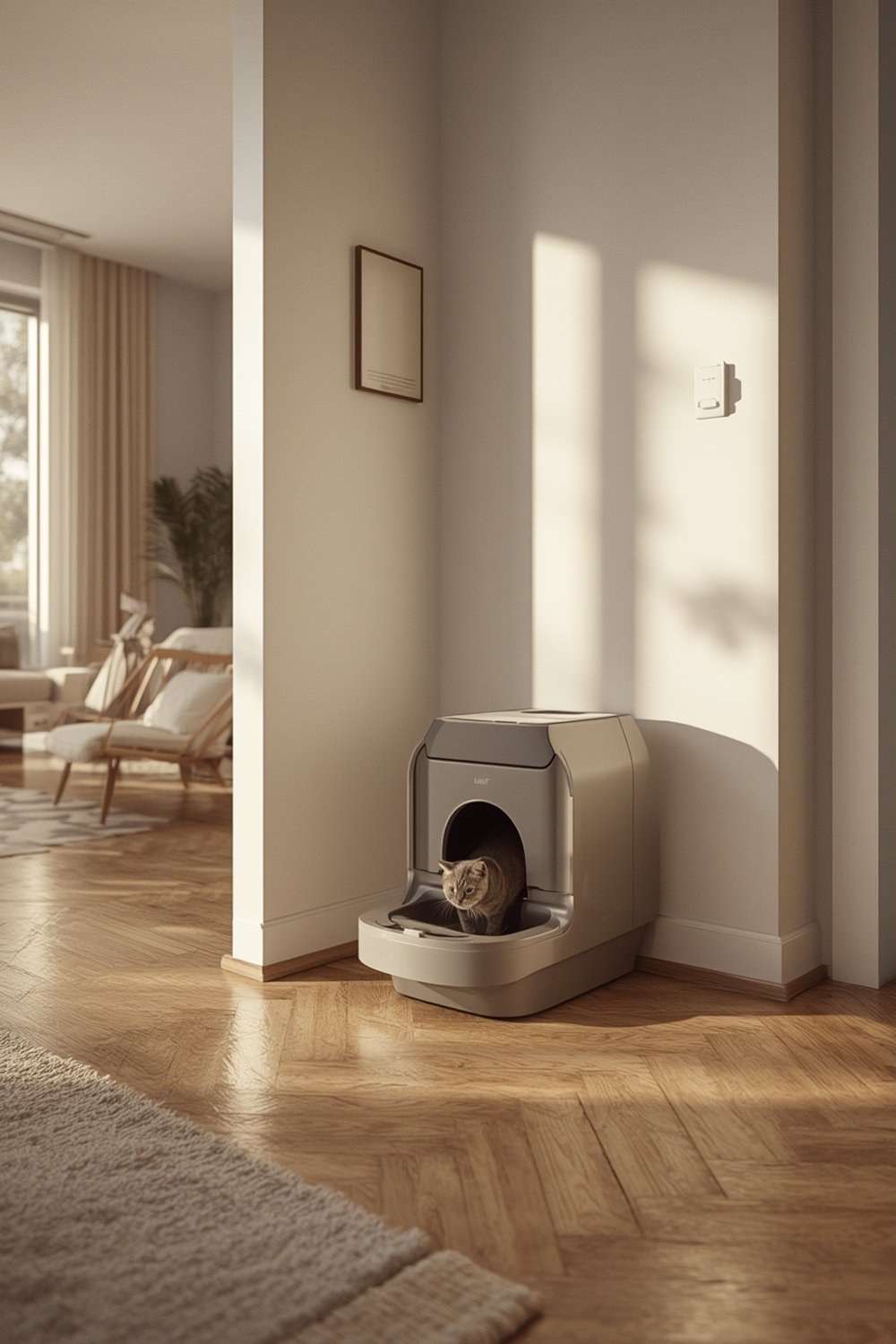
Market data shows why demand is surging: North America currently holds more than 36 percent of the market share, with the US segment valued at roughly $125 million in 2024 (source, source). The Asia-Pacific region is growing even faster, with a CAGR above 16 percent through 2030 (source).
Innovations like QuietSift technology, advanced odor control, and disease prevention features appeal to cat parents who want a cleaner, less labor-intensive home. You can find automatic litter boxes in minimalist homes and pet-friendly spaces alike. For more pet home inspiration, explore pet-friendly home ideas or see minimalist home decor upgrades that complement smart pet tech.
Step-by-Step Guide: Set Up and Maximize Your Automatic Litter Box
- Choose the right model for your cat: Consider the size, capacity, and app features. Models from brands like Litter-Robot, Whisker’s, and PetSafe provide multi-cat support and Wi-Fi monitoring. Assess whether the litter box fits your cat’s size, age, and behavioral quirks.
- Select suitable litter: Most self-cleaning boxes only work with clumping clay or specific types of litter. Double-check your device’s recommendations so sensors and cleaning mechanisms function as designed.
- Pick an optimal location: Place the unit in a low-traffic spot but ensure Wi-Fi connectivity is reliable if using connected features. Avoid damp or unheated areas that can cause malfunctions.
- Assembly and initial setup: Follow the manual step-by-step, assemble all parts, install liners or waste bins, and connect to your app if supported. Calibrate gravity and motion sensors as directed. If you want your pet products to blend with your space, check out simple home decor ideas for hiding litter boxes tastefully.
- Monitor and respond to alerts: Use app notifications to stay aware of waste bin status, cleaning cycle frequency, or any faults.
- Maintain the system: Empty the waste receptacle as notified (usually weekly), replace carbon filters monthly, and clean moving parts every few weeks.
- Introduce your cat gradually: For cats new to automatic units, place it next to the old tray nearby and transfer litter to blend scents. Let your cat explore unpowered at first before activating cleaning cycles.
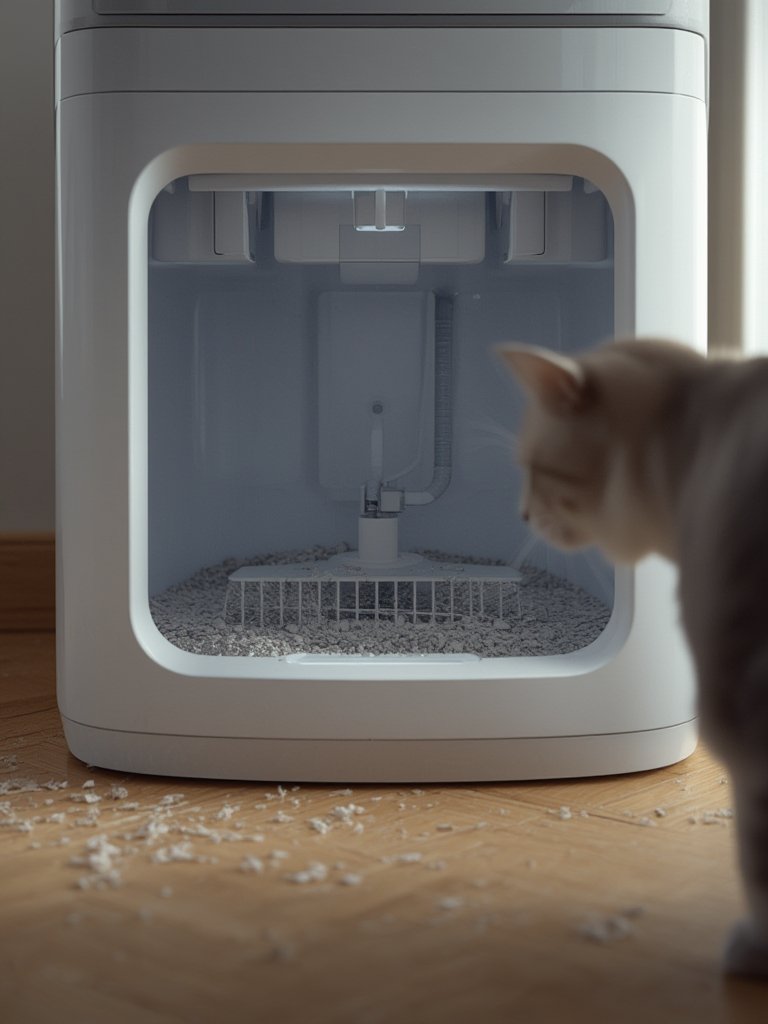
Want your automatic litter box to blend with your home’s look? Check our modern decor ideas for smart concealment solutions, and see kitchen upgrades that keep devices accessible but discreet.
Advanced Analysis & Common Pitfalls
Despite market optimism, automatic litter boxes are not flawless. Here’s a realistic look based on the latest market research and consumer realities:
- Steep upfront (and ongoing) costs: Units often exceed $400, and many involve recurring costs such as Wi-Fi subscriptions, branded filters, or replacement parts (source). Those on tight budgets should factor in total ownership costs before buying.
- Maintenance is still required: The “set-it-and-forget-it” concept is overstated. You must empty waste, wash surfaces, and remove stuck material or clumps regularly.
- Technical glitches and app failures: Wi-Fi–enabled models can lose connectivity. Apps may not always notify you of issues, putting hygiene at risk if you travel often.
- Behavioral issues: Timid or senior cats may avoid the box entirely due to noise, movement, or lingering odors.
- Compatibility limitations: Not all models work with every type of litter or for multi-cat homes. Read specs and owner feedback.
| Brand | Key Features | Potential Downsides |
|---|---|---|
| Litter-Robot | Wi-Fi, large capacity, multi-cat, advanced odor control | High cost, bulky size, can jam, sometimes slow app alerts |
| PetSafe ScoopFree | No assembly tray, disposable litter, lower noise | Ongoing tray cost, proprietary litter only, basic app |
| Whisker’s | Odor filters, app integration, health tracking | Subscription fees, not ideal for large cats, maintenance required |
| Breville | QuietSift technology, gravity sensors, easy cleaning | Limited user reviews, unknown long-term reliability |
Wondering how an automatic box fits a busy family routine or small space? Our small space decor and pet-friendly organization guides have you covered.
Conclusion
The automatic litter box is no longer a “luxury gadget” but a rapidly evolving solution for modern cat owners. Market data predicts continued growth, especially as tech advances and home integration become standard. Still, you need a realistic budget, a willingness to perform routine checks, and patience as your cat adapts to new routines. If you plan to upgrade your pet area—or rethink decor for convenience—pair your investment with clever pet-friendly home ideas for a more hygienic, pleasant space for all. Ready to simplify cleaning? Discover which automatic litter box matches your household and make pet care less of a chore.
FAQ
How often should I empty the waste compartment?
Most users need to empty the waste bin every 5 to 10 days, depending on the number of cats and box capacity. Smart app models send alerts when full.
What types of litter are compatible?
Automatic litter boxes usually require clumping clay or specific crystal litter. Always check your model’s manual for litter type recommendations to avoid jams and malfunctions.
Are automatic litter boxes safe for kittens or senior cats?
Most are safe, but some kittens or senior cats may dislike moving parts or noise. Gradual introduction and supervision during early use are key.
Do these boxes completely eliminate odors?
They greatly reduce most odors with advanced filtration and quick removal, but poor maintenance or wrong litter choice can still leave smells.
What’s the average cost of ownership?
Expect to spend $400–$700 upfront and $100–$250 per year on supplies, filters, and possible subscriptions as noted in recent industry reports.
—