
### Blog Post:
Drought tolerant landscaping is transforming front yards everywhere, helping homeowners cut water bills and reduce yard work while still having visually appealing outdoor spaces. If you’ve looked at your thirsty turf and wondered if there’s a smarter, more sustainable way to landscape, you’re in the right place. This guide gives you practical answers, rigorous research, and plenty of actionable ideas—without hype, jargon, or hiding the real challenges of making the switch.
Key Takeaways
- Drought tolerant landscaping can reduce landscape water use by 30–75 percent and lower water bills by up to 80 percent, but exact cost savings vary by location and setup.
- Most online guides skip essential details like upfront costs, annual maintenance, and potential frustrations facing homeowners when switching from a traditional lawn.
- Choosing the right drought resistant plants keeps your landscape attractive and helps support local wildlife and pollinators without heavy chemical usage.
- What is Drought Tolerant Landscaping?
- Step-by-Step Guide to Creating a Drought Tolerant Landscape
- Advanced Analysis & Common Pitfalls
- Conclusion
- Frequently Asked Questions
What is Drought Tolerant Landscaping?
Drought tolerant landscaping (sometimes called xeriscaping) means designing your front or backyard to thrive with minimal irrigation, using sustainable plants and materials adapted to dry conditions. Unlike a thirsty turfgrass lawn, a well-designed drought tolerant landscape cuts outdoor water use, reduces labor, and maintains curb appeal. This approach often incorporates native and adaptive plants, smart irrigation, plenty of mulch, and careful planning to minimize evaporation and maximize resilience.
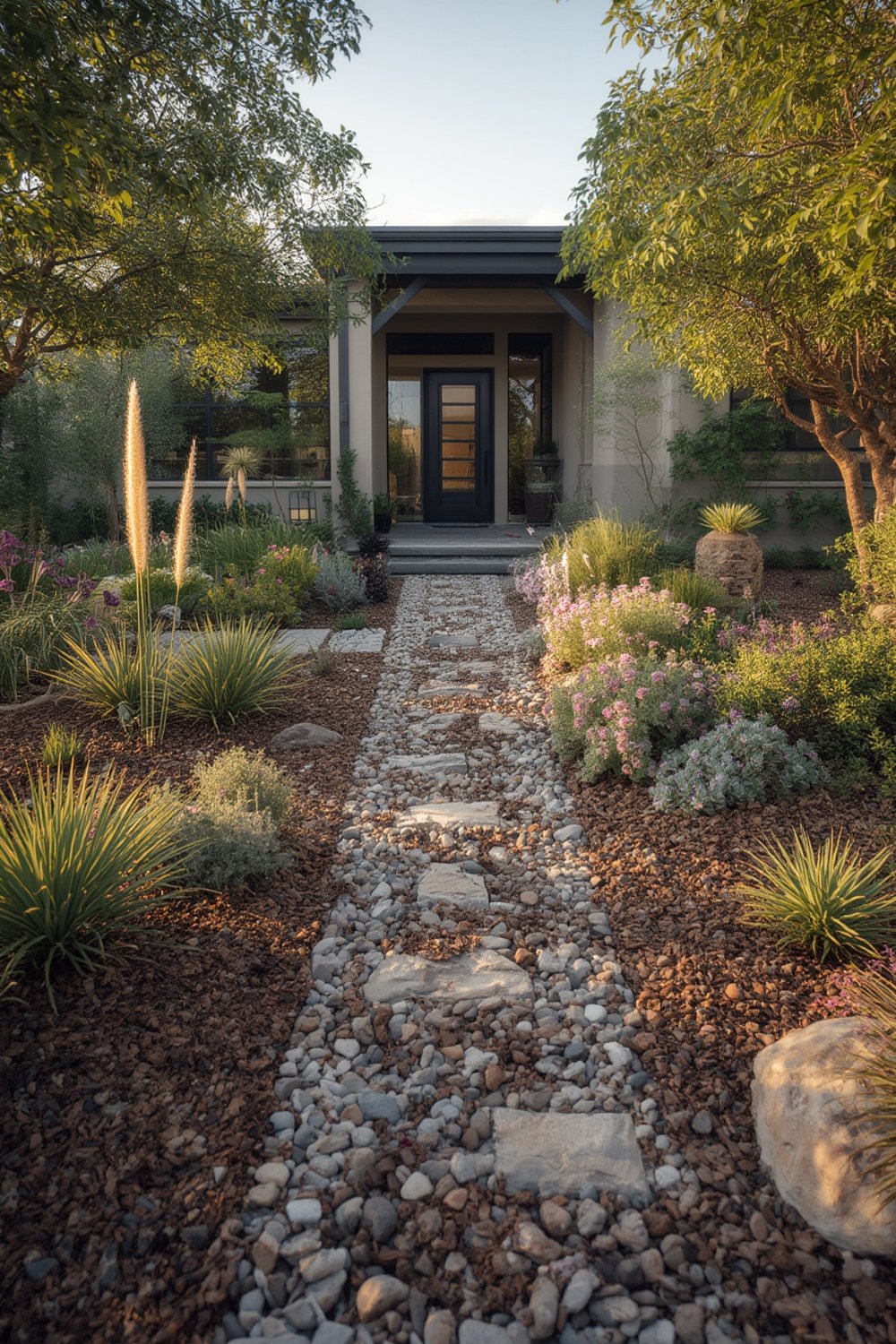
The main goals are simple:
- Use substantially less water compared to traditional lawns—research shows you can expect 30–75 percent savings (source).
- Lower maintenance demands—less mowing, minimal chemical inputs, and fewer hours spent on upkeep (source).
- Create habitats for pollinators and birds by using a mix of local and regionally adapted plants.
In places like California and Arizona, some homeowners save over 100 gallons of water per day just by replacing part of their turf with drought tolerant plants or hardscape features (source).
For ideas on pairing practical yard upgrades with smart design, try these low maintenance garden ideas that make outdoor spaces feel effortless.
Step-by-Step Guide to Creating a Drought Tolerant Landscape
-
Research your climate zone and soil.
Find out your local climate zone and soil type. This ensures your plant choices are matched to your yard’s real-world conditions. In many areas, soil amendments like compost and mulch help with water retention and plant health.
-
Plan your layout and choose your style.
Sketch your front yard and decide which areas will have planting beds, hardscape, or mulch. Consider paths, rocks, and shade elements. Check these home decor and outdoor upgrade ideas for inspiration.
-
Select drought resistant plants wisely.
Use local or region-appropriate species. High-performing plants for 2024 include:
- Lavandula Sensational! (aromatic, pollinator-friendly, very low water).
- Agastache Beelicious Pink/Purple (showy blooms, attracts hummingbirds, low irrigation).
- Ajuga Feathered Friends® and Sedum Sunsparkler® (groundcovers for color and low maintenance).
- Euphorbia Miners Merlot (drought-hardy, bold foliage).
- Miscanthus Boucle (ornamental grass, adaptable, low care).
Note: Specific sun, soil, and spacing needs are not always listed by grower—ask a local nursery for tailored recommendations or check science-backed guides.
See more about supporting wildlife and pollinators in inviting garden ideas.
-
Install an efficient irrigation system—or skip it.
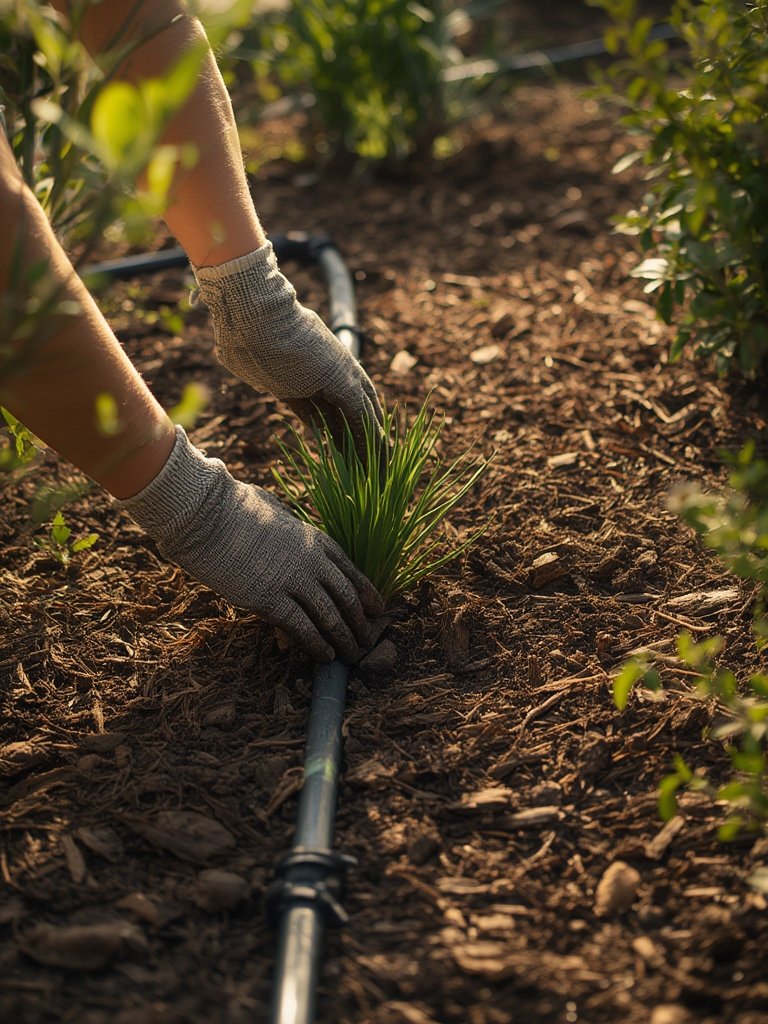
drip irrigation, soaker hoses, or even no irrigation at all (for many native plants) all reduce water waste. Group plants with similar needs (hydrozoning) to cut overwatering and keep maintenance simple.
-
Mulch and maintain as needed.
Apply a thick layer of mulch (such as bark chips or gravel) to retain soil moisture and suppress weeds. Check for weeds and water new plants until established (typically 12-18 months).
When designing a drought tolerant landscape, function matters as much as form. If you have pets, check these pet-friendly home tips for smart pathways and shade considerations for animals. For maximizing efficiency outdoors and inside, find kitchen ideas to streamline your daily routines as well.
Advanced Analysis & Common Pitfalls
Switching to drought tolerant landscaping isn’t always smooth. Here’s what top research and real feedback reveal:
Common Pitfalls
- Unrealistic cost expectations. Research is clear about major water and some operational savings but rarely provides accurate upfront and annual maintenance cost breakdowns. Many homeowners underestimate installation costs and initial irrigation setup.
- Slow plant establishment. New drought tolerant plants need regular watering for the first year—and might not look their best until year two. Patience is required; skipping early care kills plants.
- Unknown local incentives. Most resources omit info on 2024 local/state incentives or rebates for switching—do your own city or water agency research before ripping up your lawn.
- Lack of firsthand homeowner feedback. Common frustrations—like weed pressure, plant selection regret, or neighbors not liking the look—aren’t widely discussed online, but come up often in community forums.
- Habitat confusion. Some homeowners swap to gravel and a few succulents, missing out on biodiversity gains. Native-adapted plant mixes matter for pollinators, not just “low water” exotics.
Comparing Drought Tolerant Landscaping to Conventional Lawns
| Aspect | Drought Tolerant Landscaping | Conventional Lawn |
|---|---|---|
| Water Use | 30–75% less [source] | High (weekly summer irrigation usually required) |
| Annual Maintenance | Minimal mowing, less chemical use, variable pruning/clean up | Weekly mowing, regular fertilization, higher weed control needs |
| Upfront Costs | Varies—no average available, may be higher due to soil prep and plant cost | Lower for seed, higher for sod; fast install but ongoing costs |
| Wildlife & Pollinator Benefit | High if native plants are used (source) | Low—usually a “green desert” for pollinators |
| Aesthetics/HOA Approval | Can be modern or natural, but check rules—some HOAs resist non-lawn yards | Universally accepted |
For example, residents in Flagstaff, Arizona saved an average $275 on annual water bills with xeriscaping, even though full upfront and annual maintenance cost data remains sparse (source).
For further practical inspiration, browse these effortless small garden designs.
Conclusion
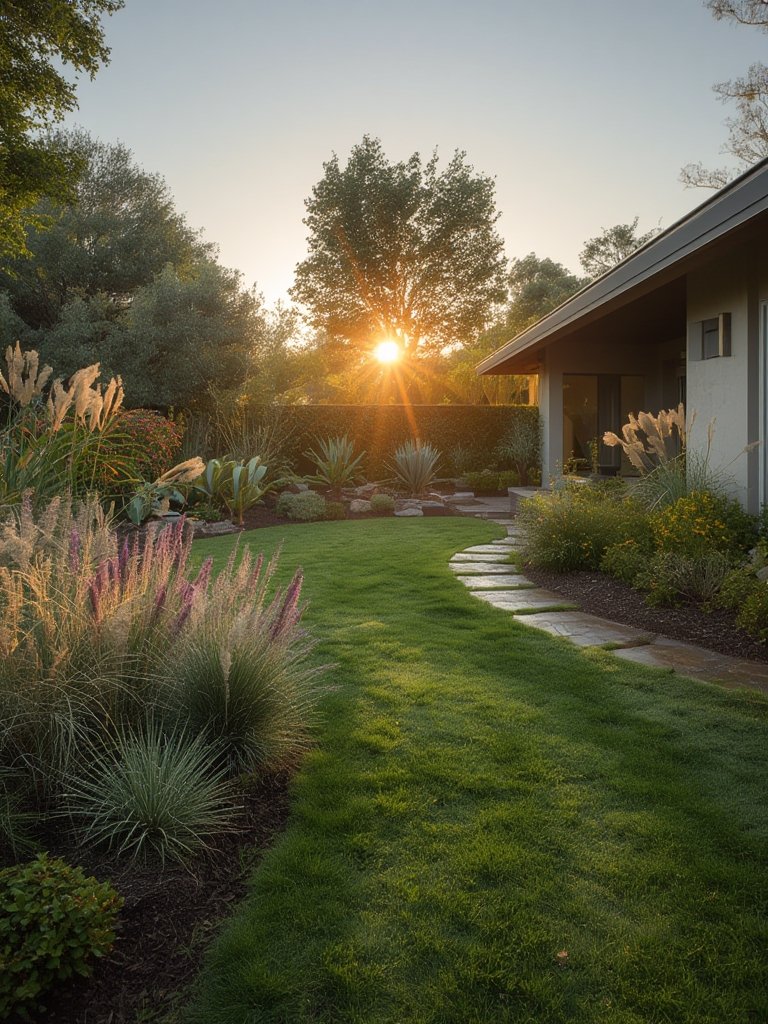
Drought tolerant landscaping isn’t just about saving water—it’s about building practical, beautiful, and resilient outdoor spaces that take less from the environment and give back to local wildlife. While water savings are proven and plant options keep expanding, it’s vital to research costs, recognize the establishment period, and set realistic expectations. By following the steps above and choosing the right plants for your climate, you can transition away from thirsty lawns and make the most of drought tolerant landscaping in your own yard. Start small, learn as you go, and enjoy the rewards. Ready to take action? Assess your yard today and build a sustainable landscape that works for you.
Frequently Asked Questions
How much can I really save on my water bill with drought tolerant landscaping?
Most homeowners see 30–80 percent savings on outdoor water use, depending on local climate, plant selection, and irrigation efficiency. Exact savings vary but can amount to hundreds of dollars per year according to recent research.
What drought resistant plants are best for pollinators?
Lavandula Sensational!, Agastache Beelicious, Ajuga Feathered Friends®, and Sedum Sunsparkler® all attract bees, butterflies, and other pollinators while using little water. Mix in native varieties for best pollinator support.
Will a drought tolerant yard look boring?
Not at all. With careful plant selection, you can have year-round color, texture, and interest. Modern designs often use bold grasses, vibrant perennials, and striking mulch or rock arrangements. See more garden ideas to increase curb appeal.
Do I need to remove my entire lawn at once?
No, and often it’s better (and cheaper) to convert gradually, one zone at a time. This spreads labor and cost, and lets you refine your design based on real results.
Are there rebates or incentives for switching to drought tolerant landscaping?
Many local water agencies offer rebates for removing grass or installing efficient irrigation, but programs change often and are not always well advertised. Check your city or utility’s website for current offers.
—