

### Blog Post:
Native plant garden transformations are gaining rapid popularity among homeowners who want lower water bills, more pollinators, and year-round curb appeal without high maintenance. But before you dig up your turf, here’s the honest truth: while the benefits are real, there are key decisions and realities to know first.
Key Takeaways
- Switching to a native plant garden can cut residential water use by up to 80% and boost yard biodiversity by 40%.
- Upfront costs and a learning curve are real—ROI can take decades in some regions, and maintenance is different, not always easier.
- Regional climate, soil, and native nurseries drive your plant choices—there’s no one-size-fits-all list, so local research matters.
- What is a Native Plant Garden and Why Switch?
- How to Start Your Own Native Plant Garden: Step-by-Step
- Advanced Analysis and Common Pitfalls
- Conclusion
- Frequently Asked Questions
What is a Native Plant Garden and Why Switch?
A native plant garden is a landscape made with plants that have evolved naturally in your local ecosystem. Unlike lawns or imported ornamentals, native gardens use species adapted to your soil, climate, and rainfall. These gardens cut irrigation by up to 80%, dramatically lower chemical runoff, and offer habitat for pollinators and beneficial insects all year.
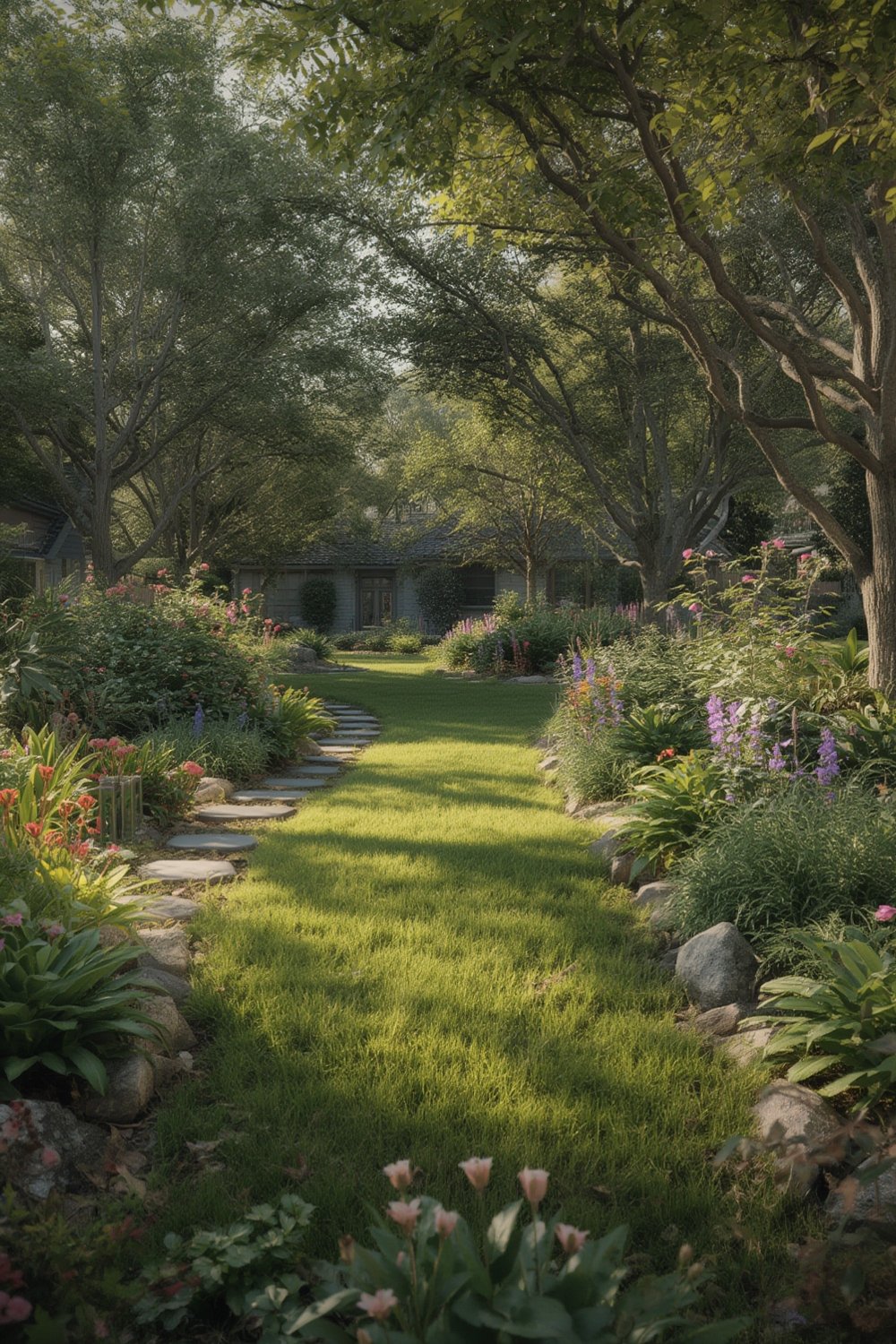
Recent data from Davis, California, shows native landscapes can use just 9,925 gallons of water per household per year, compared to 33,086 gallons for turf, with water savings up to 60% or more. While turf absorbs a significant chunk of residential water supply, switching to natives translates directly into pounds shed from your water bill and real gains in environmental health: more butterflies, bees, and birds in your own backyard.
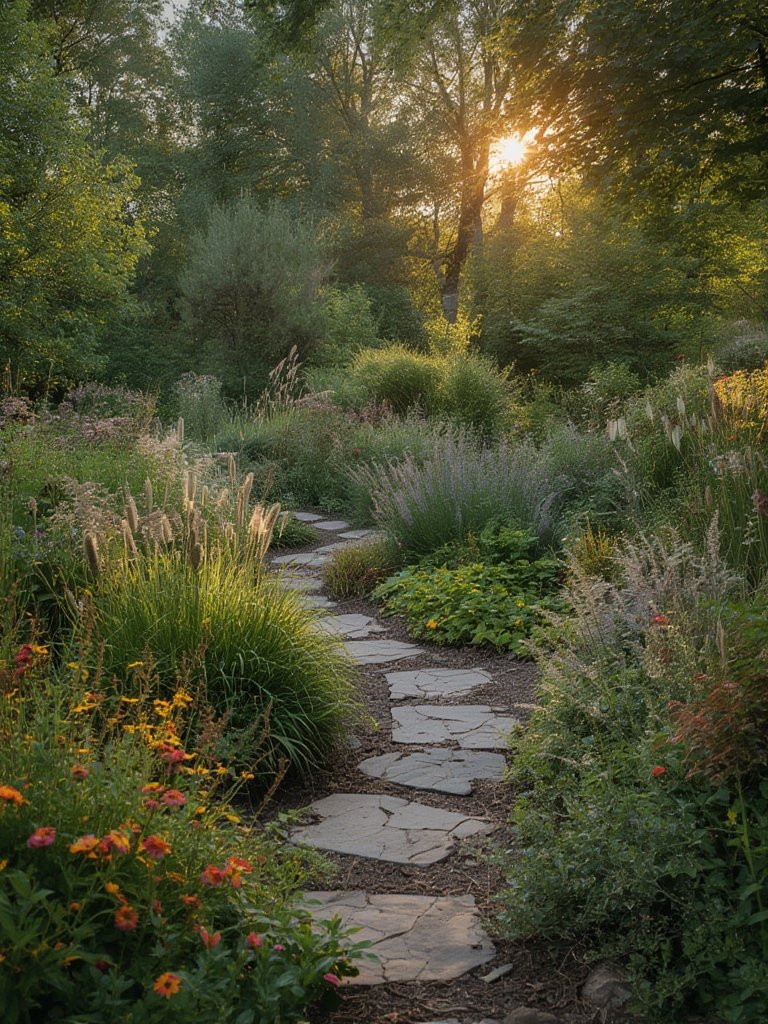
Native gardens are not always “wilder”—they can be designed as clean, formal spaces or cottage-style mixes. The difference is deep: a deliberate ecosystem reconnecting your outdoor space to local nature—even in urban or suburban areas.
Want your outdoor area to be both functional and inviting? See these garden ideas that make outdoor spaces feel effortless and inviting for inspiration.
How to Start Your Own Native Plant Garden: Step-by-Step
Thinking about transforming your grass or unused beds into a native plant garden? Here’s a direct and practical plan you can execute, from decision to planting success:
- Assess your site and local microclimate. Measure sun patterns, check soil type, and note irrigation issues. These factors will determine your plant list and layout.
- Remove existing turf or non-native plants. Expect a cost: in California, this can reach $3,960 (including herbicide), though you can DIY for less. Consider water district rebates to offset part of your costs.
- Plan soil improvement and irrigation setup. Loosen compacted areas and add compost if needed, but avoid over-amending. Install drip irrigation for highest water efficiency (up to 95%), and ensure ability to water 1-2 times monthly (or less) once plants are established.
- Source your plants. Choose native species best suited to your zip code and soil. Local nurseries are the best source; big stores rarely stock genuine regional natives. Ask for species that support pollinators and work with your yard’s conditions.
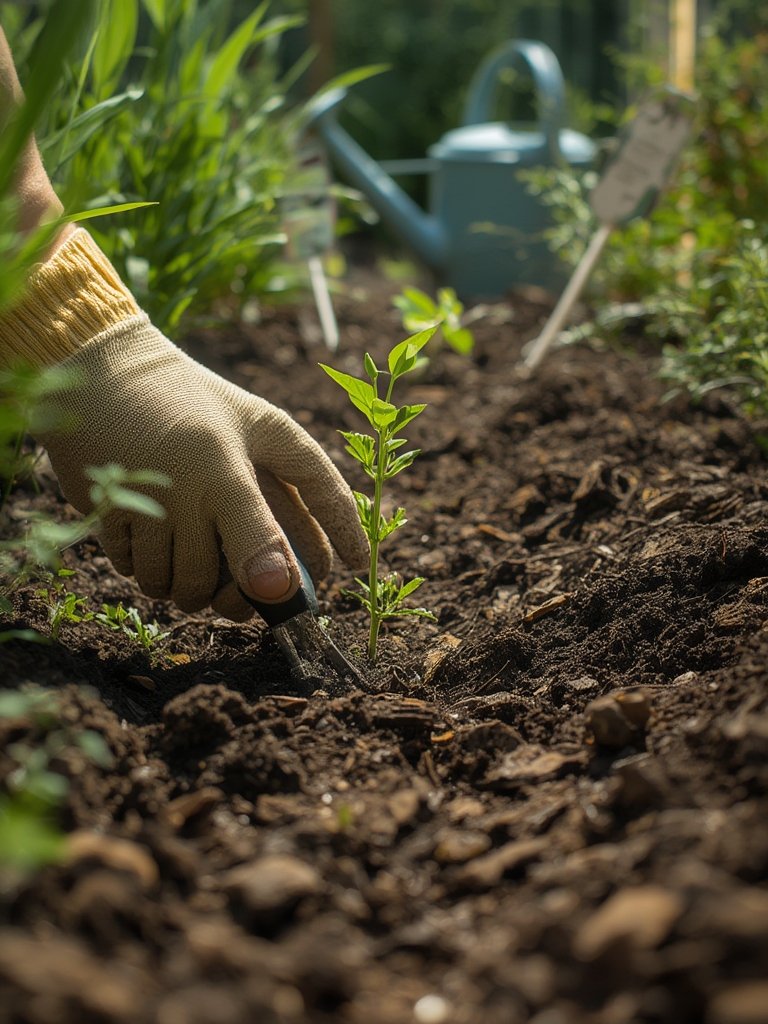
- Install plants in fall or early spring. This timing maximizes rainfall and minimizes irrigation. Plant in groups or masses for easier maintenance and a natural look.
- Mulch well. After planting, apply 2-3 inches of mulch to control weeds and conserve moisture, but keep mulch away 1-2 inches from stems.
- Water to establish. Native plants need regular water the first season—sometimes weekly—before “weaning off” to monthly or less (except species like flannelbushes that hate summer water once established).
- Low-maintenance care. After year one, expect mainly annual fall trims and occasional spot weeding. Natives resist pests and generally require no fertilizer or sprays.
Looking for ways to keep your native garden organized and easy? Browse our top garden organization inspiration, and adapt the approach for your new landscape.
If you have pets, remember to see our pet-friendly home ideas to balance planting with animal safety.
Advanced Analysis and Common Pitfalls
Native plant gardens save water and build biodiversity—but the path isn’t always effortless. Here’s what to expect based on real homeowner data and the latest research:
Comparison: Native Plant Garden vs Turfgrass Lawn
| Feature | Native Plant Garden | Traditional Lawn |
|---|---|---|
| Est. Water Use | 9,925 gal/yr | 33,086 gal/yr |
| Annual Water Cost | $20–$200 (after establishment, varies by state/rate) | $50–$1,000 |
| Annual Maintenance (time) | Low: 1–2 trims/yr, 1–2 weeding hours/mo | High: weekly mowing, fertilizer, edging, chemicals |
| Biodiversity Impact | +40% beneficial insects; year-round pollinator habitat | Minimal; supports few pollinators |
| Common Pitfalls | Upfront cost, weed control early on, sourcing plants, slow ROI | High water use, ongoing chemical/fertilizer inputs |
| ROI / Payback Period | Long: up to 23 years in some locations* | Immediate (for aesthetics), ongoing costs never end |
*Based on Davis, CA study. Higher water rates may improve ROI; rebates help shorten payback.
Common Pitfalls to Expect
- Upfront cost surprise. Many are not ready for removal and conversion expenses (up to $3,960), even with water savings over time. Source
- Weed management in year one. Early weeds are inevitable. Lack of detailed weed control guidance remains a gap in many guides.
- Plant sourcing traps. Big box nurseries rarely have suitable or truly native species—buying the wrong plants can result in more water use or higher mortality.
- Maintenance timelines are different, not always less. Annual or biennial trim jobs matter; some species (manzanitas, flannelbush) need careful pruning or can die from overwatering.
- Patience required for ROI. In areas with low water rates, bill savings alone take decades to match upfront investment—but benefits include biodiversity, curb appeal, and reduced workload after the first few years.
Explore more advice for creating inviting and low maintenance outdoor spaces with these small garden design tips.
Conclusion
Converting turf to a native plant garden can slash your water use by half or more, attract far more pollinators, and save hours of mowing and spraying every month. However, success comes with up-front costs, some learning, and a few frustrations—especially with weed control and picking the right plants for your unique soil and microclimate.
Ready to see if a native plant garden is right for you? Start small, connect with a local nursery, and take advantage of rebates if available. For a more functional home approach, discover home decor ideas that bridge indoors and out, or bring your garden together with kitchen ideas that help you use your garden’s bounty.
Frequently Asked Questions
How much can I really save on my water bill by switching to a native plant garden?
Most homeowners see a 50% to 80% cut in landscape watering after their native garden is established. For an average yard, that’s $200–$800 less per year if you live where water is costly, though in some places, the annual savings are just $46 as found in California’s Davis study.
Are native plant gardens truly low maintenance?
After year one, ongoing maintenance needs drop—no weekly mowing, little fertilizing, and just a couple of trims a year. However, maintenance is different: expect some weeding during establishment, and make sure you trim certain species at the right time to keep plants healthy.
Can I get a neat, organized look with a native plant garden?
Yes, native gardens can be formal and tidy or wild and natural—your choice depends on plant selection and layout. Mass-planting by grouping species and using defined borders helps create a modern, intentional style.
Is there a nationwide list of the best native plants for my region?
No single list covers all regions. Regional climate, rainfall, and soil type matter most. The best approach is to reach out to a local native plant nursery or consult extension services for a state-specific guide tailored to your yard.
How long does it take to see payback on my investment in a native plant garden?
It can take 20 years or more in some states for water savings alone to equal the initial expense. However, if your water rates are high, you get rebates, or you value the wildlife and pollinator gains, the return is much faster—and the savings feel much more immediate in your time and ecological impact.