

### Blog Post:
Non toxic cookware is no longer a niche concern—it’s a vital consideration for anyone who values health, safety, and true peace of mind in the kitchen. As awareness about the dangers lurking in traditional non-stick pans grows, it’s essential to cut through greenwashing and understand how to actually protect your household from hidden toxins.
Key Takeaways
- Traditional non-stick cookware often contains PFAS chemicals like PTFE, which can release harmful fumes and microplastics if damaged or overheated.
- Not all “PFAS-free” or “non toxic cookware” claims are guaranteed—independent testing has found unexpected toxins in popular brands.
- Stainless steel and cast iron typically offer the safest, most durable alternatives, but each material comes with its own maintenance and performance trade-offs.
- The Core Concept: Why Non Toxic Cookware Matters
- Step-by-Step Guide: Choosing Safer, Non Toxic Cookware
- Advanced Analysis & Common Pitfalls
- Conclusion
- Frequently Asked Questions
The Core Concept: Why Non Toxic Cookware Matters
The primary goal of truly non toxic cookware is to minimize your exposure to hazardous chemicals, especially PFAS, which have been linked to serious health risks including cancer and thyroid disorders. PFAS is an umbrella group that includes PTFE (commonly known as Teflon) which, even after the much-publicized phase-out of PFOA, may still be present in traditional non-stick pans or as a contaminant in imported products.
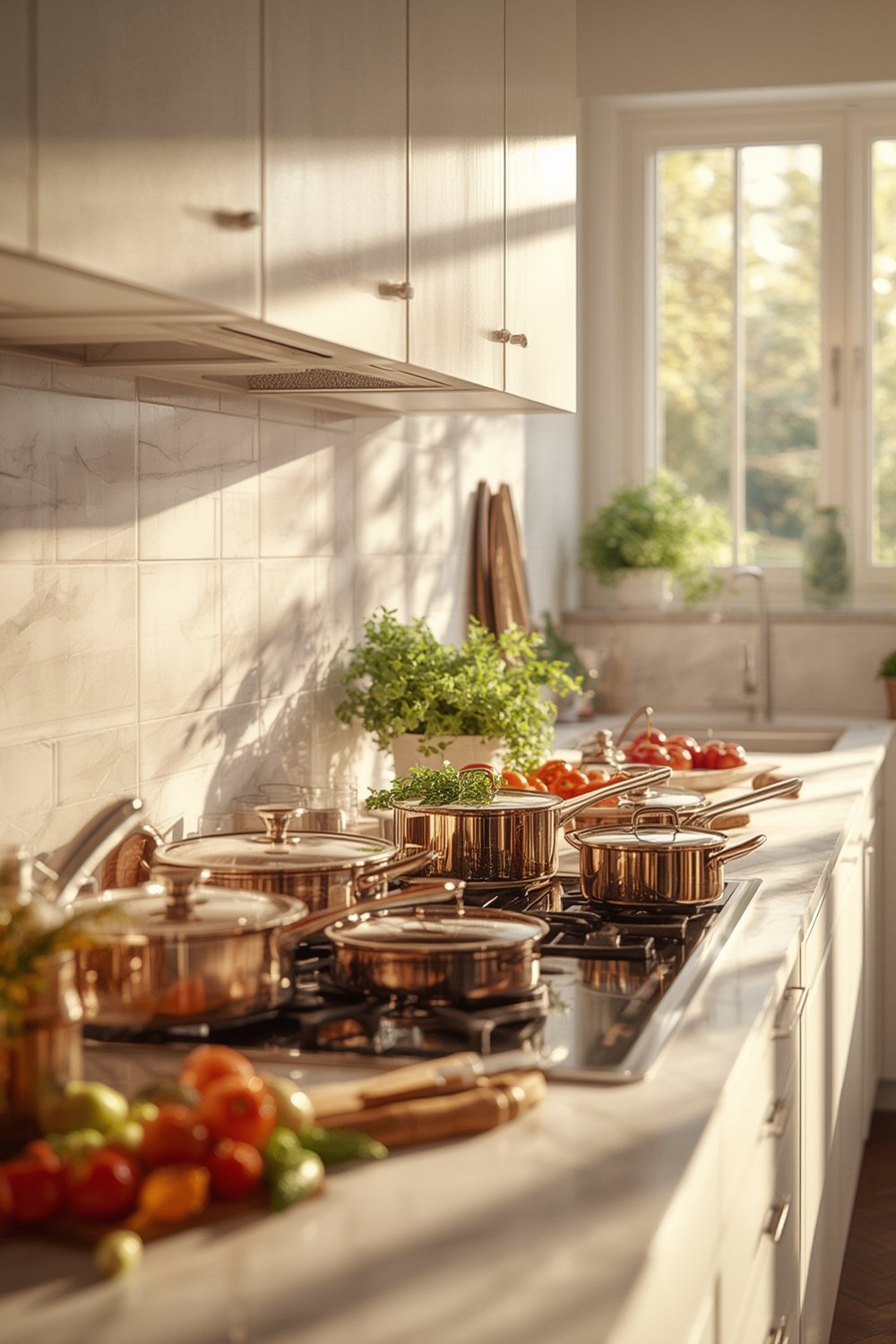
Despite marketing promises, “PFOA-free” or “PFAS-free” often fails under real-world testing. Ceramic non-stick pans are marketed as alternatives, but breakthroughs in independent testing have shown even these can leach titanium dioxide nanoparticles or heavy metals, especially after surface scratches. This means consumers must look past labels and demand better, safer, and independently vetted cookware.
For households that care about safe cooking—and want their kitchens to remain modern, functional, and trustworthy—choosing the right cookware isn’t just preference, it’s a critical health decision. (For those interested in making their entire kitchen feel more effortless and safe, see these kitchen ideas.)
Step-by-Step Guide: Choosing Safer, Non Toxic Cookware
Here’s a clear approach to find and use non toxic cookware that actually delivers on safety, longevity, and ease of use:
-
Ignore “PFOA-Free” and “PFAS-Free” Labels—Dig Deeper.
Don’t trust labels alone. Many “PFAS-free” claims are poorly regulated and independent tests have found PFAS residues due to cross-contamination during production. When shopping, request detailed reports or certifications from the brand if available. Scrutinize the product’s country of origin and transparency around ingredient lists.
-
Choose Safe and Proven Cookware Materials.
- Stainless steel: Non-reactive, dishwasher safe, and extremely durable. Ideal for acidic foods and daily cooking. (For tips on modern, functional kitchen upgrades, try these kitchen organization ideas.)
- Cast iron: Naturally non-stick when seasoned, excelling in heat retention and searing. Avoid if you dislike regular seasoning.
- Uncoated Carbon Steel: Lightweight option that mimics some cast iron qualities, but also requires seasoning.
Avoid low-quality ceramic-coated pans unless you’re ready to replace them every 1-2 years and accept the risk of nanoparticle leaching after scratching.
-
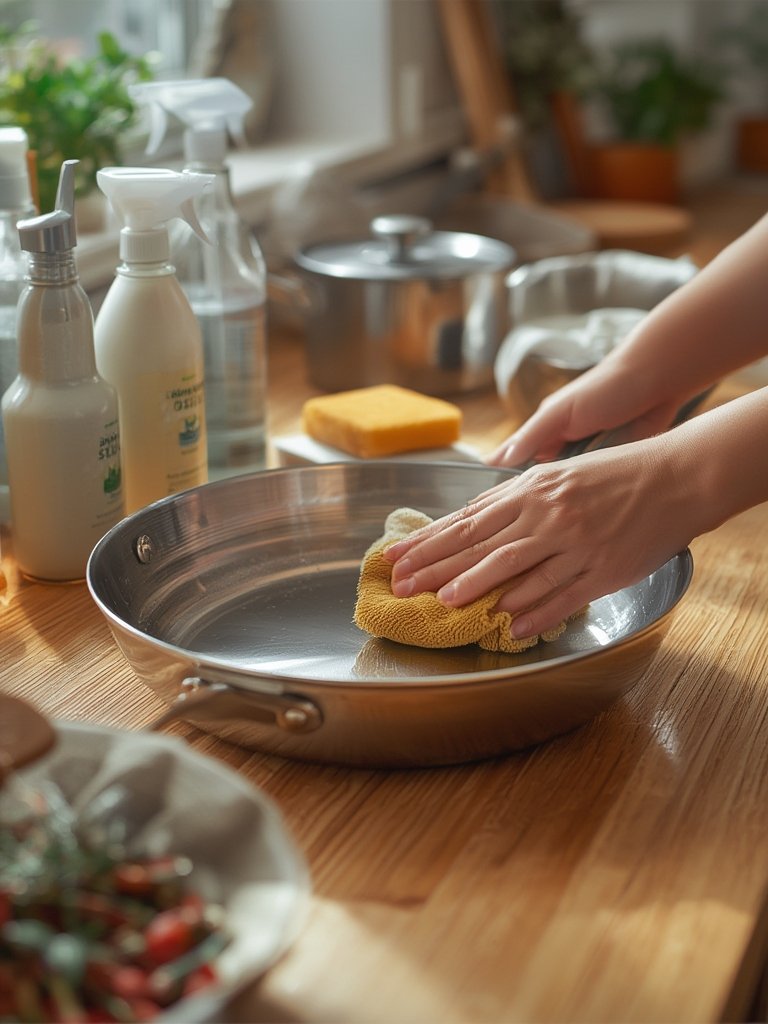
Maintain Proper Care for Your Cookware.
- Hand-wash most non toxic cookware to prevent coating degradation.
- Use silicone or wooden utensils to prevent scratches.
- Don’t overheat pans beyond recommended temperatures, especially for coated cookware. PTFE-based pans can release toxic fumes and microplastics above 650°F (343°C).
-
Avoid Unsubstantiated Claims of “Third-party Certified.”
No FDA, NSF, or third-party standard reliably guarantees cookware is non toxic and PFAS free. Seek out brands with transparency, independent lab testing, or long-standing reputations. Even then, always stay skeptical and look for recent user reviews or lab reports.
-
Assess Your Cooking Needs and Budget.
Stainless steel and cast iron may require a higher upfront investment, but deliver decades of safe performance. Lower-cost ceramic alternatives are tempting, but they rarely last more than two years of regular use and can introduce unexpected risks if the coating breaks down. For more insights on balancing safe cookware and home upgrades, explore our favorite home decor ideas.
If you share your kitchen with kids or pets, consider exploring our pet-friendly home ideas for stress-free, safe home design.
Advanced Analysis & Common Pitfalls
While switching to non toxic cookware is a powerful step, here’s where many people get it wrong:
- Trusting Labels Over Evidence: “PFAS-free” or “PFOA-free” isn’t a guarantee of safety. Research consistently finds residue and cross-contamination, so always demand up-to-date, independent testing data. See more safety concerns.
- Expecting Ceramic to Last Like Traditional Options: Most ceramic-coated pans lose their nonstick surface within 1-2 years, or even faster with metal utensils and dishwasher use. Degraded coatings can leach metals or organic compounds, plus titanium dioxide nanoparticles now banned in the EU over toxicity fears.
- Ignoring Heat Tolerance: All cookware has a breaking point. PTFE-based pans release toxins above 650°F (343°C). Ceramic coatings often degrade at even lower temps, leading to safety and performance issues.
- No Universal Certification: There’s no FDA, NSF, or third-party “safe cookware” standard—so approach all safety certifications with skepticism.
Below is a handy comparison based on the latest research:
| Material | Heat Retention | Food Reactivity | Maintenance |
|---|---|---|---|
| Stainless Steel | Moderate; even heating, cools quickly | Low; no leaching, safe with acids | Low; easy cleaning, long lifespan |
| Ceramic-Coated | Good initially, avoid high heat (<500°F) | Variable; risk of metal/nano leaching if scratched | High; hand wash, gentle tools, short lifespan |
| Cast Iron | Excellent; best for heat retention and searing | Low if well seasoned; reactive if unseasoned | High; requires seasoning, hand dry |
Don’t forget: ceramic non-stick may look stylish, but durability and true safety vary greatly between brands and uses. For long-lasting results, prioritize stainless steel or seasoned cast iron, and reference guidance on small space decor for kitchens to make sure new cookware fits seamlessly (see practical decor tips).

Conclusion
Choosing non toxic cookware is more than a trend—it’s a proactive investment in your family’s health and your kitchen’s peace of mind. Avoid marketing smoke and mirrors: examine real-world testing, focus on uncoated stainless steel and cast iron, and treat all safety claims with healthy skepticism. Ready to make your kitchen a truly safe space? Start by updating your pans and exploring more modern kitchen ideas today.
Frequently Asked Questions
Is all non-stick cookware toxic?
No, not all non-stick cookware is toxic. However, most traditional non-stick pans use PTFE coatings that, when scratched or overheated, can release harmful chemicals and microplastics. Only a few types—like seasoned cast iron and some high-quality stainless steel—are reliably non toxic if properly maintained.
What is the biggest risk with ceramic non-stick cookware?
The major risk is rapid loss of the coating’s nonstick properties due to scratches or dishwasher use. Once damaged, ceramic pans can leach metals or nanoparticles such as titanium dioxide into your food—especially with acidic recipes.
Are there any government certifications for non toxic cookware?
No current standards (FDA, NSF, etc.) guarantee cookware is free from PFAS or other toxins. If a brand boasts “certified non toxic,” always check for independent lab test results and read reviews from reputable sources. Read more about certification gaps.
How often should I replace ceramic-coated or non-stick pans?
Most ceramic-coated pans should be replaced every 1-2 years, or sooner if you see scratches or wear. With nonstick (PTFE) pans, follow the same guidelines. Stainless steel and cast iron, if cared for, can last for generations.
What’s the safest cookware for everyday family use?
Stainless steel and seasoned cast iron are both excellent choices for daily cooking. They don’t leach harmful chemicals into food, are highly durable, and are easy to care for with the right routines.
—