

### Blog Post:
Smart kitchen appliances are rapidly transforming how we cook, clean, and manage our homes—offering automation, remote access, and personalized controls, but also requiring careful planning and realistic expectations for successful adoption.
Key Takeaways
- Global demand for smart kitchen appliances is booming, with market size projected to reach up to $68.64 billion by 2032.
- Success with connected devices depends on understanding real limitations—like app glitches, connectivity challenges, and compatibility issues.
- Smart appliances provide actionable benefits such as remote controls, energy savings, and voice integration, but full kitchen upgrades require significant upfront costs and research.
- The Core Concept: What Makes Kitchen Appliances ‘Smart’?
- Step-by-Step Guide: How to Upgrade to Smart Kitchen Appliances
- Advanced Analysis & Common Pitfalls of Smart Kitchen Tech
- Conclusion: Should You Upgrade to Smart Kitchen Appliances?
- FAQ: Smart Kitchen Appliances in 2024
The Core Concept: What Makes Kitchen Appliances ‘Smart’?
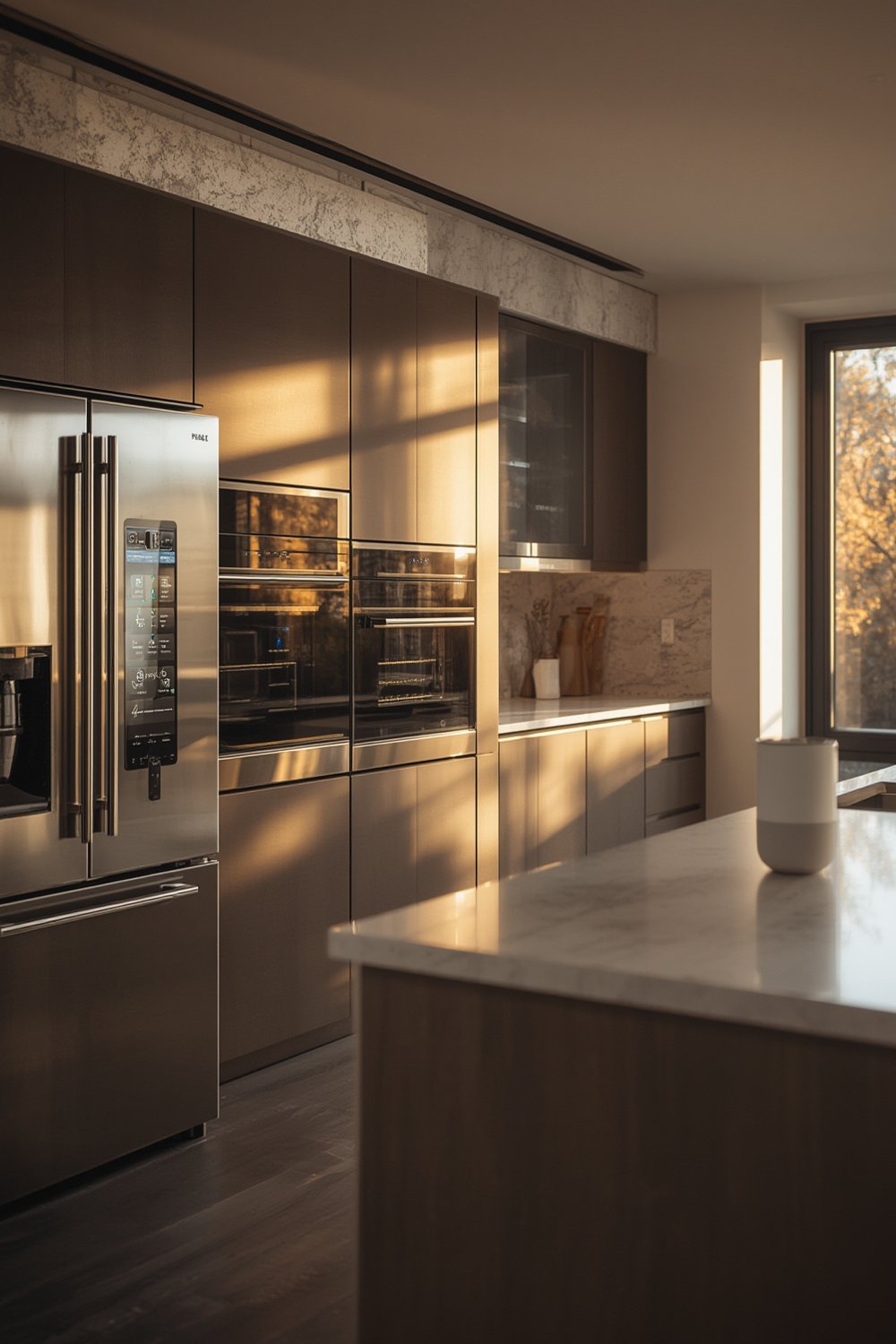
Smart kitchen appliances are traditional kitchen devices enhanced with internet (often WiFi) connectivity, artificial intelligence, and smart sensors. These features enable automated routines, remote controls, energy optimization, voice commands integration, and real-time condition monitoring. The global market for these connected kitchen devices is expanding quickly, driven by growing demand for convenience and new advancements in IoT (Internet of Things), AI, and machine learning.
According to multiple industry reports, the smart kitchen appliance market has jumped significantly. Estimates for 2024 range from $10.93 billion to $21.66 billion. By 2032, the global smart kitchen appliance market could approach $68.64 billion, with North America leading the way thanks to smart home adoption and widespread high-speed internet.
Core features now found in leading-edge smart kitchen appliances include:
- IoT-based control through mobile apps or voice assistants
- Advanced touchscreens, haptic feedback, and self-diagnostics
- Smart sensors for temperature control, ingredient recognition, and hazard detection
- Automated maintenance reminders, dietary settings, and multi-device synchronization
If you’re considering a modern kitchen transformation, prioritize devices that are compatible with your existing home automation systems for seamless use and reduced headaches. For design inspiration that incorporates smart features, explore these modern kitchen ideas.
Step-by-Step Guide: How to Upgrade to Smart Kitchen Appliances
Transitioning to a connected kitchen goes beyond replacing a coffee maker or microwave. True value comes from a staged, strategic approach—upgrading with purpose and future-proofing your investment. Here’s a clear, actionable process:
- Audit Your Current Appliances and Network: Identify which kitchen appliances are most used, lagging, or incompatible with your smart home goals. Consider WiFi coverage in your kitchen and address any dead zones with extenders.
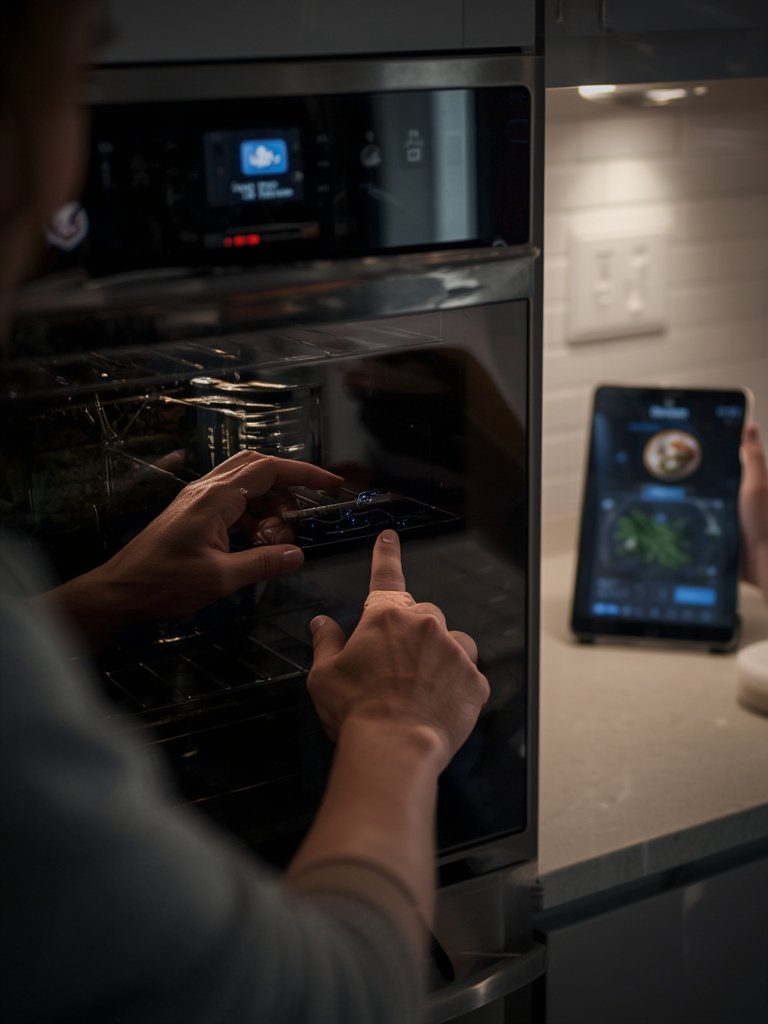
- Research Smart Appliance Options: Focus on high-impact upgrades first: ovens with AI-cooking modes, refrigerators with internal cameras, dishwashers offering app-based cycles, and coffee makers that can be scheduled remotely.
- Check Compatibility: Make sure any new appliances work with your preferred voice assistant (Alexa, Google Assistant, or Siri) and that they support relevant app platforms. Seek out real-world reviews for practical insights and actual reliability before purchasing.
- Plan Installation: Allocate time and budget for both purchase and setup. Some appliances require professional installation—especially smart ovens, ranges, and built-ins.
- Configure and Test: After connecting appliances to your smart home system, run each device through typical routines (like remote preheating or automated cleaning cycles) to confirm that features deliver as promised.
- Regular Updates and Security Checks: Set reminders to update appliance software and app firmware, as smart appliances are only as secure as their most recent patch.
Not sure where to start? Browse these pet-friendly home ideas and modern home decor tips to see how new technology can blend with your style.
Advanced Analysis & Common Pitfalls of Smart Kitchen Tech
While the promise of hands-free cooking and app-enabled convenience is captivating, real-world challenges with smart kitchen appliances are easy to overlook. Here’s what you need to know before making major upgrades.
Typical User Complaints and Limitations
- Connectivity Issues: Poor WiFi coverage, signal drops, and unstable app connections are frequent sources of frustration—particularly in large or older homes.
- App Reliability & Usability: Poorly designed apps, frequent software updates, and brand ecosystem lock-in can cause devices to underperform or stop working during outages.
- Setup & Installation Complexity: Certain smart ovens and ranges require professional installation and advanced electrical or plumbing work, which increases cost.
- Short Device Lifecycles: Rapidly changing tech means today’s appliances could be obsolete in just a few years, especially if vendors discontinue support or integration updates.
- Privacy & Security Risks: While exact statistics are scarce, any connected device adds potential exposure. Without regular software updates, appliances can be vulnerable to data leaks or hacking.
What Sets the Latest Smart Appliances Apart?
Compare the current smart kitchen appliance generation with legacy alternatives:
| Feature | Smart Appliance (2024) | Older/Non-Smart Appliance |
|---|---|---|
| Connectivity | IoT/WiFi, app + voice, full remote control | Manual only, no app connection |
| Automation | Automated cycles, AI-driven optimization, ingredient recognition | Basic timers or manual setting |
| Energy Management | Usage tracking, smart scheduling | Standard operation, no data insights |
| Diagnostics | Self-diagnostics with real-time maintenance alerts | Manual troubleshooting only |
| User Interface | Touchscreens, haptic feedback, app controls | Physical dials, buttons, no app interface |
Despite huge advances, you’ll still want to factor in usability issues and connectivity gaps in your kitchen’s design. For maximizing functionality in small kitchens, see these proven kitchen organization ideas.
Also keep in mind that the industry still lacks robust cost benchmarks for a full smart kitchen upgrade, meaning extra research may be needed before budgeting.

Conclusion: Should You Upgrade to Smart Kitchen Appliances?
A connected kitchen opens the door to remote cooking, automation, and energy insights, but real results come when you balance new features with your existing routines and recognize possible limitations. As the market for smart kitchen appliances continues to grow and evolve, planning your upgrade with compatibility, usability, and data security in mind will help you avoid buyer’s remorse and actually improve your day-to-day. Ready to start your own upgrade? Evaluate your needs, research devices carefully, and design your kitchen around both technology and your lifestyle goals.
For more functional inspiration, browse these garden ideas, and see how technology can blend with modern home decor.
FAQ: Smart Kitchen Appliances in 2024
What are the top smart kitchen appliances to consider first?
Ovens with AI cooking modes, refrigerators with cameras, app-controlled dishwashers, and programmable coffee makers offer high-impact returns for most modern homes.
Are smart kitchen appliances difficult to install?
Basic appliances like smart kettles or coffee makers are typically plug-and-play. Large devices such as ovens or ranges may need professional installation for proper wiring and connectivity.
Do all smart kitchen appliances work with Alexa or Google Assistant?
No. Always check if new appliances support your preferred voice assistant. Some brands limit compatibility to their own ecosystem, which can be a dealbreaker for mixed-device households.
What about privacy and security risks with connected kitchen devices?
Any internet-connected device can be a target for hackers. Keep appliance software updated, use strong home WiFi passwords, and avoid exposing smart devices to public networks.
How much does it cost to fully upgrade a kitchen with smart appliances?
There’s no exact number for 2024, as upgrade costs depend on appliance brands, your kitchen’s size, and installation needs. Expect to pay a premium over standard appliances and research packages or deals if buying several products at once.
—