

Low VOC paint is rapidly replacing traditional paints in homes and workspaces thanks to its ability to dramatically reduce indoor air pollution, lingering odors, and potential health risks for anyone who spends time indoors.
Key Takeaways
- Switching to low VOC paint can cut indoor air pollution by up to 67 percent and reduce health complaints related to chemical exposure.
- Modern low VOC paints offer competitive coverage and durability, often matching premium conventional paint products.
- Ideal for children’s rooms, allergy-prone households, and even institutions like hospitals, low VOC options support a healthier, more comfortable home environment.
- What Is Low VOC Paint and Why Choose It?
- How to Select and Use Low VOC Paint: A Step-by-Step Guide
- Advanced Analysis and Common Pitfalls of Low VOC Paint
- Conclusion
- Frequently Asked Questions
What Is Low VOC Paint and Why Choose It?
Low VOC paint is formulated to release far fewer volatile organic compounds (VOCs) into the air during and after application. VOCs are chemicals from paint that evaporate at room temperature, causing not only unpleasant odors but also headaches, respiratory irritation, and long-term health risks. In 2024, independent studies in healthcare settings report a 67 percent drop in VOC concentrations after switching to low VOC paints compared to conventional paint options.
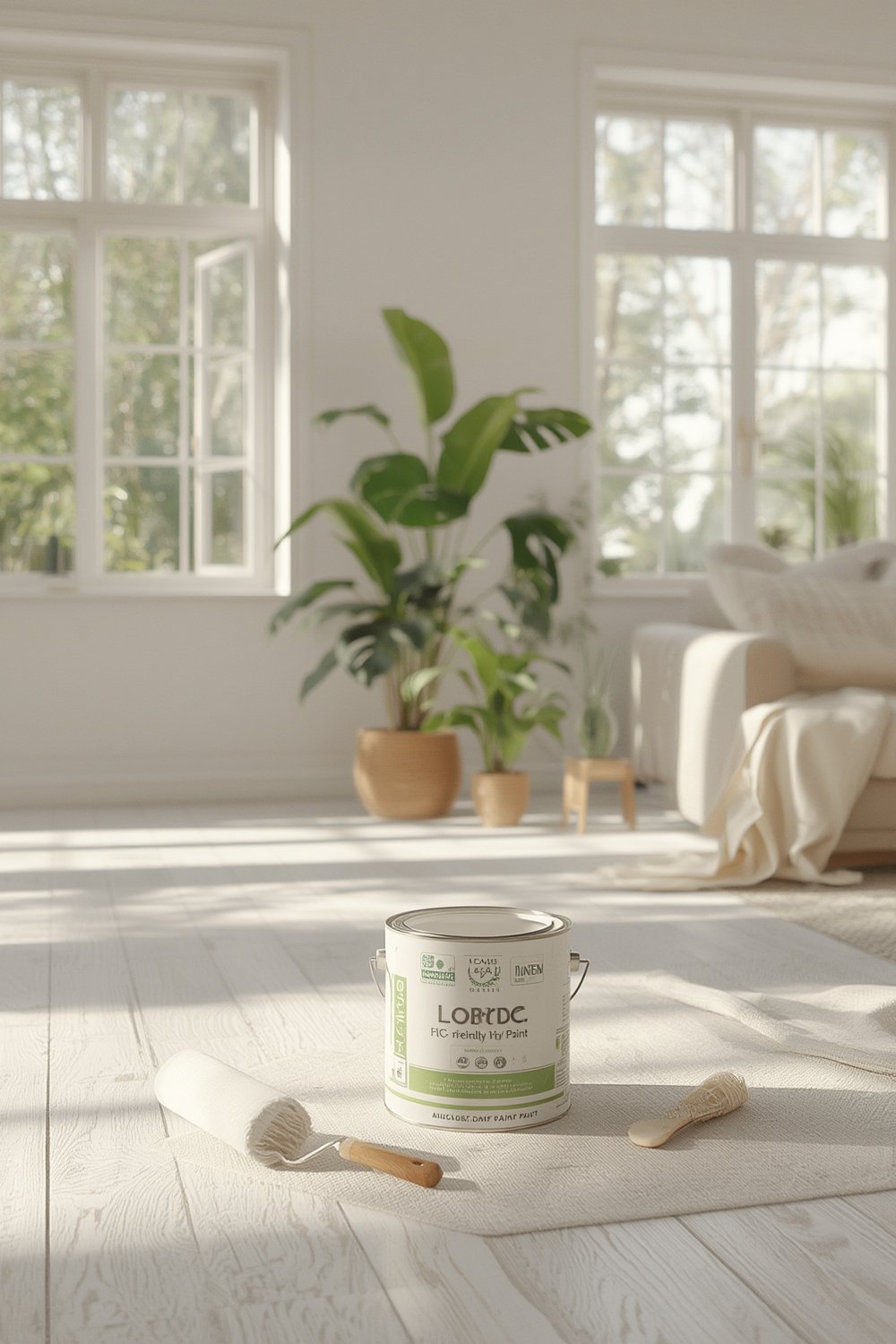
Why is this important? Indoor air can be up to ten times more polluted than outdoor air—especially shortly after painting. Standard paints are linked to headaches, coughs, asthma flare-ups, and even years of lingering off-gassing. By cutting these harmful emissions, low VOC paint makes interiors healthier for children, pets, and adults, and helps meet strict air quality regulations in many regions.
For inspiration on wall colors or modern décor to complement your eco-friendly painted space, check out these home decor ideas that instantly upgrade any room.
The benefits are especially pronounced in sensitive areas like nurseries and bedrooms. Beyond health, the best modern low VOC paint brands are reformulated for excellent coverage, durability, and a range of finishes—making them a smart, practical choice for any homeowner who wants both performance and peace of mind.
How to Select and Use Low VOC Paint: A Step-by-Step Guide
Painting with low VOC products is straightforward, but following a few proven steps can help you achieve the best air quality and long-lasting results.
- Research Paint Certifications: Look for paints certified by independent authorities like Asthma & Allergy Friendly® (tested at 24 and 14 days), or labels showing EPA and California Air Resources Board (CARB) compliance.
- Check the Label and Technical Data Sheet: Ensure the product specifies “Low VOC” (typically under 50g/L for flat paints) or “Zero VOC” (under 5g/L or even <1g/L). Watch for test notes regarding “as tinted.”
- Pick the Right Tool for Each Surface: Use high-quality rollers and brushes designed for water-based paints; they minimize streaks and help achieve even coverage.
- Ventilate While Painting: Even low VOC paint needs fresh air while drying. Open windows and use a fan to accelerate off-gassing, especially within the first 24–48 hours.
- Prime Where Necessary: For best results in high-traffic zones or when painting over glossy or dark surfaces, select a low VOC (or zero VOC) primer first.
- Dispose of Leftovers Responsibly: Don’t pour leftover paint down the sink. Take it to a local hazardous waste collection or find eco-friendly disposal in your area—this step is often skipped, yet it further protects the environment.
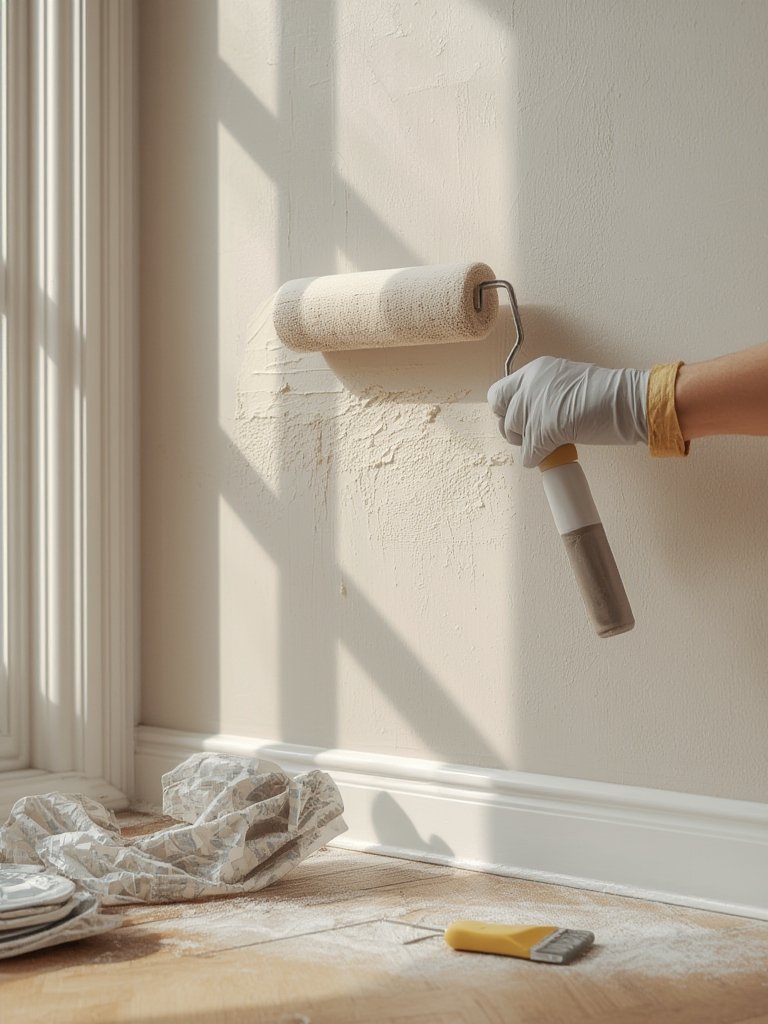
If you’re transforming a nursery or kids’ bedroom, prioritize rapid-cure options verified for low emissions at 24 hours—these are safer for young children and infants. You can also find low VOC paints that double as odor eliminators, like Sherwin-Williams Harmony®.
In pet-friendly spaces, select scrubbable, stain-resistant low-VOC finishes. See pet-friendly home ideas for more ways to keep your upgraded space healthy and stylish.
Lastly, budget-conscious buyers should note that while low and zero VOC paints sometimes cost slightly more per gallon, market shifts show health-aware consumers now prioritize benefits over small price differences—especially in homes and regulated sectors like schools or healthcare.
Advanced Analysis and Common Pitfalls of Low VOC Paint
While low VOC paint offers major indoor air quality improvements, users should know about the real challenges and limitations before starting a project.
Coverage, Durability, and Odor
Most current low VOC formulas match traditional paints in coverage and longevity, but some natural-based products (using citrus oils or terpenes) can introduce variable emissions. Sensitive individuals might react to these natural compounds, even if synthetic VOCs are reduced. Always test on a small patch if unsure.
Pinning Down What Counts as “Low” or “Zero” VOC
Legally, “low VOC” in the USA typically means less than 50g/L (for flats), but regulations vary for different finishes and colors. “Zero VOC” is usually under 5g/L, but can be as tight as <1g/L from some brands. Darker or custom tints often add extra VOCs—be aware your paint’s VOC rating may only be for the base.
Health Risks with Standard Paint Versus Low VOC
| Feature | Standard Paint | Low VOC Paint |
|---|---|---|
| VOC Emissions | Very High — up to 10x outdoor levels; off-gassing for years | Significantly Lower — up to 67% lower; minimal after 24–48 hours |
| Odor | Strong during application; lingers for days | Minimal—often little to no odor within 24 hours |
| Health Complaints | Frequent: headaches, eye/throat irritation, asthma, allergies | Rare; improved patient/homeowner satisfaction (23%+) |
| Coverage/Durability | Variable; sometimes requires more coats | Competitive; modern formulas offer similar or better coverage |
| Cost per Gallon (2024) | Usually lowest | Slight premium, but market arms for growth at $11.6B |
| Disposal Issues | Can release VOCs for years if not sealed/handled; hazardous waste | Still needs responsible disposal—eco-friendly collection recommended |
Other Overlooked Issues
- Paint disposal is a real environmental issue: Even low-VOC paint shouldn’t be poured down drains or tossed in regular trash. Seek local eco-disposal options.
- Compliance thresholds differ: California and most of Europe hold brands to stricter VOC limits than some US states.
- Allergy and asthma considerations: Look for paints tested for emissions after 24 hours, especially if painting for sensitive populations. Few competitor articles explain this nuance.
If you want to combine your fresh wall color with new furniture or ideas for small spaces, these modern home decor ideas are a smart next step.
Conclusion
Low VOC paint is the clear front-runner for anyone seeking healthier interiors, faster project turnaround, and reduced environmental impact. When used correctly, it delivers breathable air quality, negligible odor, and fewer health risks—especially vital in bedrooms, nurseries, and busy living areas. Choose low VOC paint when updating your home, and make sure to follow best practices for both application and disposal.
Ready to start your next project? Choose a certified low VOC paint for your favorite rooms and pair it with clever functional decor to create a healthier, modern space you’ll love.
Frequently Asked Questions
What does “low VOC paint” actually mean?
It refers to paint that emits fewer volatile organic compounds (VOCs) into your home’s air. Regulations typically allow less than 50 grams per liter for low VOC labeling, but always check the specific data on each product.
Is low VOC paint truly safe for babies and pets?
Yes, especially if you select brands tested for emissions at 24 hours and beyond. These paints reduce exposure to chemicals that can irritate children, pets, or anyone with allergies or asthma.
Will I notice any difference in color coverage or finish?
Most modern low VOC paints perform as well as—or better than—conventional paints for coverage, color consistency, and finish. Natural-based options may show some variability, so patch testing is always wise.
Do low VOC paints still have an odor?
Some odor is possible, but it’s usually slight and disappears quickly—often within the first 24 to 48 hours after painting. Certain “zero VOC” lines add odor-eliminating technology for extra results.
How do I dispose of low VOC paint safely?
Take leftover paint to a local hazardous waste facility or recycling center; never pour it down the drain or in regular trash. Even eco-friendly paint needs proper disposal to avoid harming water systems.