

Smart thermostat rebate programs in 2024 promise energy savings and a smarter home, but getting the most out of them requires a tactical approach and an eye for overlooked details.
Key Takeaways
- Smart thermostat rebates can help offset purchase costs, but real savings depend on your usage habits and local utility policies.
- Evidence shows WiFi-enabled smart thermostats save 10-30% annually on heating and cooling, but actual rebate structures, eligibility, and stacking options are rarely transparent.
- Application pitfalls and missed rebate opportunities are common because fine print—like income caps, timelines, and registration rules—is usually not discussed openly.
- What Are Smart Thermostat Rebates and Why Do They Matter?
- How To Maximize Your Smart Thermostat Rebate in 2024
- Advanced Analysis & Common Pitfalls
- Conclusion
- FAQ
What Are Smart Thermostat Rebates and Why Do They Matter?
A smart thermostat rebate is an incentive from your energy utility or government program designed to lower the upfront cost of installing a WiFi-enabled, programmable thermostat. Utilities offer these rebates to reduce peak electricity demand and help customers save on long-term energy costs. Rebates usually cover a portion of the unit’s price or offer a set dollar amount after purchase and installation. They matter because they make efficient technology accessible and may also qualify you for further savings through optimized energy use.
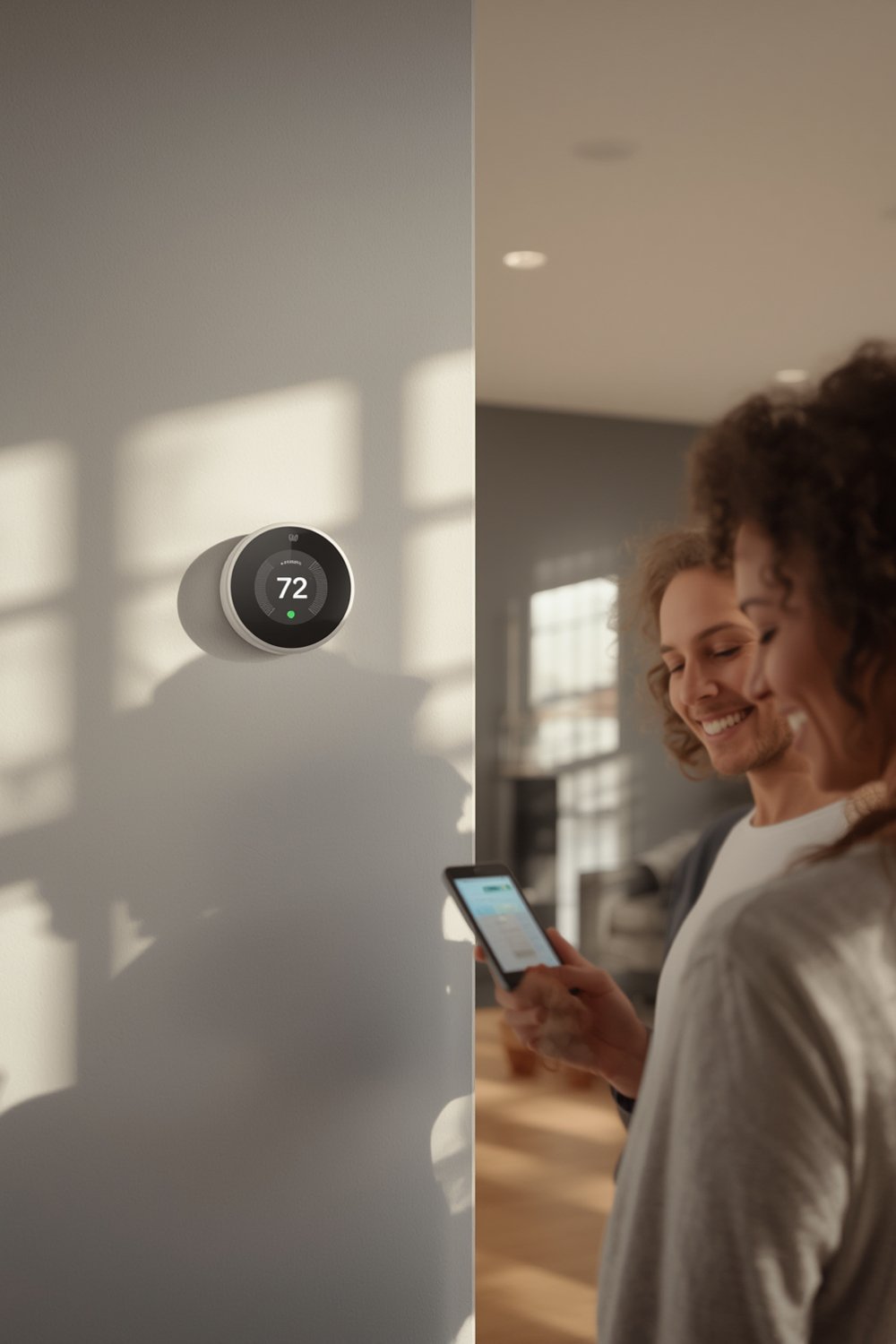
Recent statistics show smart thermostats save between 10% and 30% on annual home heating and cooling costs, according to the U.S. Department of Energy. EPA-certified models (like Energy Star) can save about $50 to $180 per year, depending on usage and climate. Brand-specific studies reveal, for example, Honeywell users reporting 8-22% savings and Google Nest Learning users averaging 12-15% savings, demonstrating that model choice and user habits are important influences.
There are related topics worth exploring if you’re refreshing your living space as part of a broader upgrade—like practical home decor ideas or garden ideas to make your environment more efficient and comfortable overall.
How To Maximize Your Smart Thermostat Rebate in 2024
Getting the full value of a smart thermostat rebate in 2024 takes more than just buying a WiFi thermostat and hoping for a check in the mail. Follow these steps to secure the best deal, minimize pitfalls, and maximize your actual energy savings.
- Research Local Rebate Offers: Start at your utility company’s official website or call their customer service. Some cities have higher rebate offers for limited times, or bonus “stacking” if you combine with other upgrades like insulation.
- Check Device Eligibility: Qualifying thermostats often need to be WiFi-enabled and appear on an approved list related to Energy Star certifications. While technical requirements aren’t always obvious, major brands like Nest, ecobee, Honeywell Home, and Sensi generally qualify. See Honeywell’s savings studies for details.
- Document Your Purchase: Save receipts, order confirmations, and, if possible, installation photos. Most rebates require uploading PDF receipts and proof the device is installed at the service address.
- Apply Online Promptly: Many rebates are “first come, first served” and may require account numbers, device serial numbers, or even registration with the utility. Double check for hidden deadlines.
- Follow Up: Rebate checks or credits sometimes take months to process. Track your submission online or call customer service if you do not receive confirmation in 30 days.
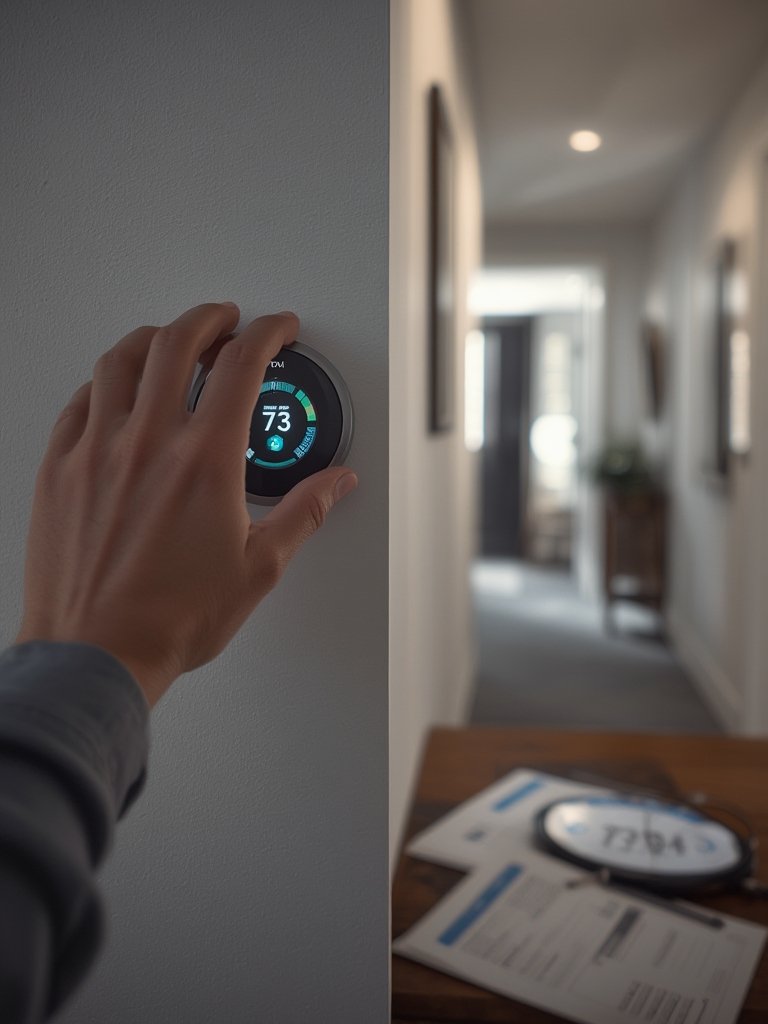
After the rebate, set up your thermostat’s app for scheduling and remote control. This is key—a smart thermostat does not save money by default; savings come from allowing the system to automate setbacks and learning your schedule. Success also depends on the efficiency of your HVAC unit, your insulation, and your climate zone as noted in reviews on energy tech review sites.
If you are updating your whole living space, a programmable thermostat isn’t the only way to make your home user-friendly and energy-efficient. Consider practical kitchen ideas or pet-friendly home tips for an even smarter living experience.
Advanced Analysis & Common Pitfalls
Many homeowners miss out on rebates or savings potential due to overlooked eligibility details and process pitfalls. Based on the most current 2024 research, here are common snags and how to avoid them:
- Eligibility Blind Spots: Many programs require the purchased device to be on a pre-approved list or have specific technical features—like WiFi connectivity or Energy Star certification. These requirements are rarely publicized up front.
- Hidden Application Deadlines: Some rebates operate on a rolling basis with limited funding. Waiting a few weeks after purchase can mean missing the window.
- Missing Documentation: Submission errors are common if receipts don’t match the registered utility account or installation address.
- Low Awareness of Stacking Opportunities: Most users never learn whether they can combine a local utility rebate with a federal tax credit or manufacturer’s rebate, simply because these rules are not explained in official documents.
- Overestimating Savings: Quoted savings are averages. Individual results depend on climate, HVAC efficiency, system compatibility, and a willingness to use scheduling features.
Below is a comparison of leading smart thermostat savings claims to set expectations:
| Brand & Model | Reported Annual HVAC Savings (%) | Average $ Saved (Est.) | Energy Star Certified |
|---|---|---|---|
| Honeywell Home T5/T6 | 8–16% (sched.), 22% heating, 17% cooling* | $50–$180 | Yes |
| Google Nest Learning | 12% heating, 15% cooling | $50–$180 | Yes |
| ecobee | Up to 26% | $100–$180 | Yes |
| Sensi | Up to 23% (heat pumps) | $50–$150 | Yes |
| Energy Star Avg. | 10–30% (per U.S. DOE) | $50–$180 | Yes |
*Savings figures from manufacturer studies and industry reports.
The table shows why not all WiFi thermostats yield the same results—automation features and climate compatibility matter. There is no evidence from 2024 market research that rebate amounts differ across brands or models (see industry review), but check your utility’s site for the definitive list.

Don’t forget to scan your rebate’s terms for restrictions on occupancy, income caps, or mandatory device registration. These gotchas can make or break your eligibility, even if you have the right device and a recent bill in hand. Most problems stem from missing these details or failing to apply in time.
Conclusion
Smart thermostat rebate programs present an excellent way to upgrade your home’s efficiency and comfort, keeping more money in your pocket if you act strategically. Real-world savings vary, and rebate hurdles are often buried in paperwork or unclear eligibility rules. Always do your homework, use Energy Star models, and ask your utility about stacking options with federal credits or other home upgrades.
If you want your home to work smarter—and save across the board—don’t stop at a thermostat. Get inspired by actionable modern home decor tips and look into other rebate-eligible upgrades. Now is the best time to look into a smart thermostat rebate, start the application process, and make your home work for you.
FAQ
How do I find out if my utility offers a smart thermostat rebate in 2024?
Visit your utility’s website or call their energy efficiency office. Many have online forms or downloadable PDFs listing current smart thermostat rebate offers and eligible models.
What type of thermostat qualifies for a rebate?
Most rebates require a WiFi-enabled, programmable thermostat that is Energy Star certified. Check your utility’s pre-approved device list for specific models.
Can I stack a utility rebate with a federal tax credit or manufacturer offer?
Rules on stacking rebates vary and are often unclear. Some programs allow it if each incentive is claimed separately; always confirm with each program’s terms and your utility rep.
Do all smart thermostats deliver the same energy savings?
No. Savings range from 10-30% depending on the brand, your home’s heating/cooling system, the climate, and how actively you use scheduling or automation features.
What should I watch out for when applying for a rebate?
Beware of missing deadlines, incomplete paperwork, device registration requirements, and specific eligibility rules like address matching. Always save all documents until your rebate is paid.