

Mini split heat pump systems are surging in popularity as homeowners and businesses seek energy-efficient solutions that avoid the hassles of ductwork. But before you join the trend, it pays to understand not just the impressive benefits but also the possible issues and what real-world upgrades look like. This guide explains exactly what a mini split heat pump is, how to choose and install one, realistic pitfalls, and smart ways to make the most of one in your home.
Key Takeaways
- Mini split heat pump systems are growing rapidly worldwide, dominating residential upgrades and offering unmatched flexibility.
- Choosing, installing, and maintaining a mini split requires clear planning, and there are pitfalls to avoid—especially for DIY projects.
- Understanding rebates, market trends, and maintenance tricks can maximize energy savings and comfort for years to come.
- What is a Mini Split Heat Pump and Why is It Popular?
- How to Choose and Install a Mini Split Heat Pump: Step-by-Step
- Advanced Analysis & Common Pitfalls
- Conclusion
- FAQ
What is a Mini Split Heat Pump and Why is It Popular?
A mini split heat pump is an efficient, ductless heating and cooling system that consists of an outdoor compressor unit and one or more indoor air handling units, connected by small refrigerant lines. Unlike traditional central air systems, mini splits do not require extensive ducts—making them faster to install, more flexible for zoning, and often much more efficient for modern homes.
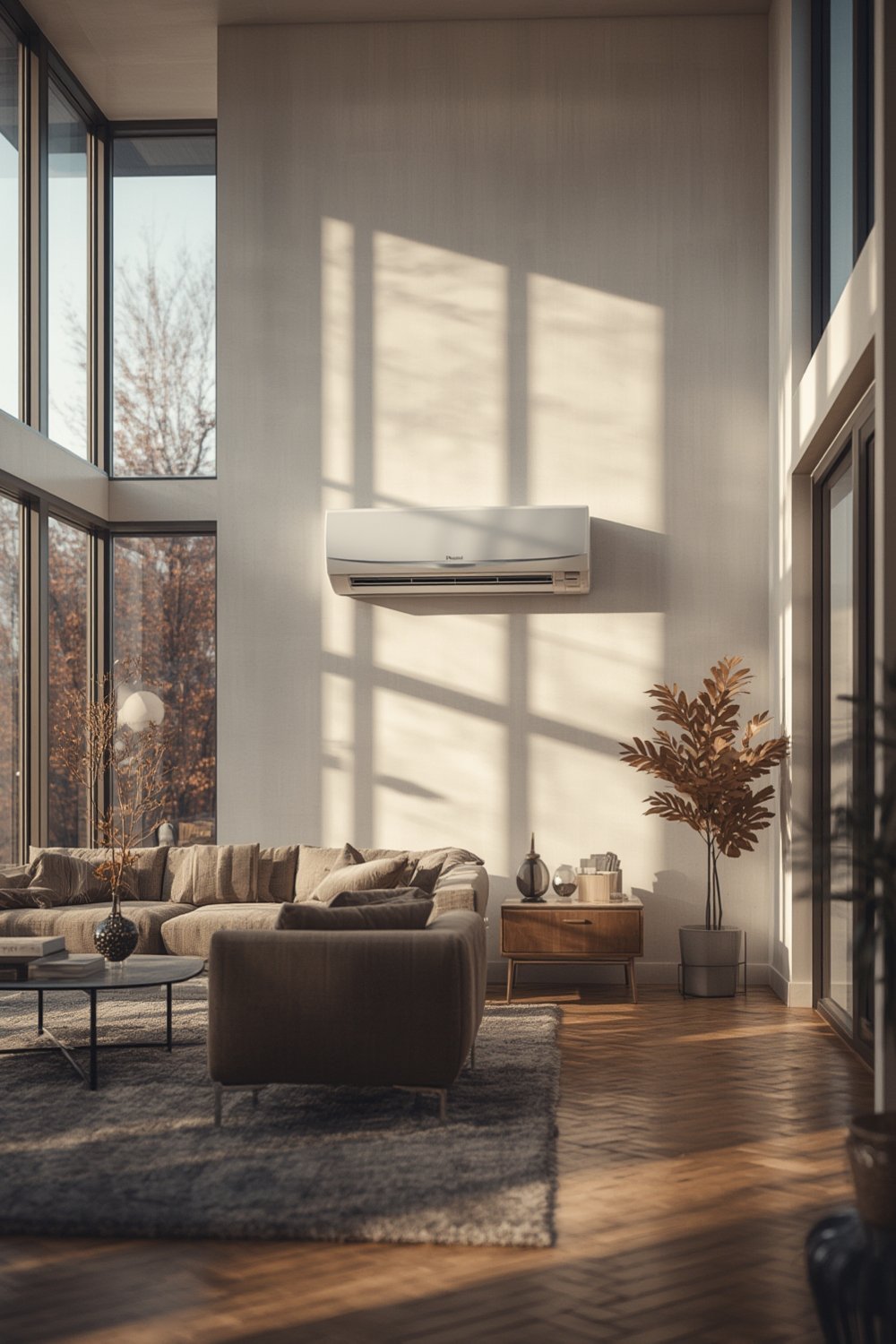
The mini split heat pump market is exploding: the global ductless heat pump sector was worth $10.2 billion in 2024, with annual growth near 10% through the next decade [source]. In the U.S. alone, ductless minis reached $1.8 billion in 2024 and are expected to surpass $3.0 billion by 2033 thanks to energy efficiency incentives and the rise of smart homes [source].
Residential users dominate adoption because mini split heat pumps are relatively easy to add to almost any space without altering existing walls or floors.
Most important, these systems let you target climate control to exactly where you want it—one room, multiple rooms, or even outdoor areas—offering amazing flexibility over older ducted central air.
If you’re designing a modern home or planning smart upgrades, a mini split heat pump can give you comfort, efficiency, and value in a future-proof package.
How to Choose and Install a Mini Split Heat Pump: Step-by-Step
Ready to add a mini split heat pump to your home? Here’s an actionable guide—whether you’re hiring a pro or considering a DIY installation. Follow these steps carefully to maximize reliability and efficiency.
- Assess Your Needs:
- Decide how many zones or rooms need heating/cooling power.
- Calculate the square footage, ceiling heights, insulation, window type, and sunlight exposure for each space.
- For open floor plans or modern kitchens, consider how air will circulate naturally.
- Size Your System:
- Oversizing wastes energy; undersizing sacrifices comfort. Use manufacturer BTU calculators or consult an HVAC pro.
- Look for flexible “inverter” mini split models that scale up/down more efficiently.
- Select Features:
- SEER (Seasonal Energy Efficiency Ratio) and HSPF (Heating Seasonal Performance Factor) ratings matter—aim for higher numbers for more savings.
- Consider smart controls, programmable schedules, and filtration levels for your allergies and pets (explore pet-friendly home tips).
- Get Quotes:
- Collect multiple proposals from licensed HVAC contractors. Confirm the price includes parts, labor, permits, electrical upgrades, and the warranty period.
- Ask installers about previous mini split jobs and references.
- Site Prep:
- Clear exterior walls and ensure a stable foundation for the outdoor unit.
- Plan indoor unit placements for unobstructed airflow; avoid direct sunlight or plumbing walls.
- Check that electrical supply and drains will meet equipment requirements.
- Installation:
- Let pros handle refrigerant line connections, vacuum tests, and electrical work. Installation errors can void warranties and cause leaks or performance issues.
- Inspect and test the system for leaks, air direction, and noise before signing off.
- Set Up Controls:
- Configure remote controls, timers, and mobile app settings for each indoor unit.
- Set efficient schedules that match your household’s daily rhythm.
- Register Your Warranty:
- Most systems require online registration for full parts/labor coverage. Do this promptly!
- Schedule Regular Maintenance:
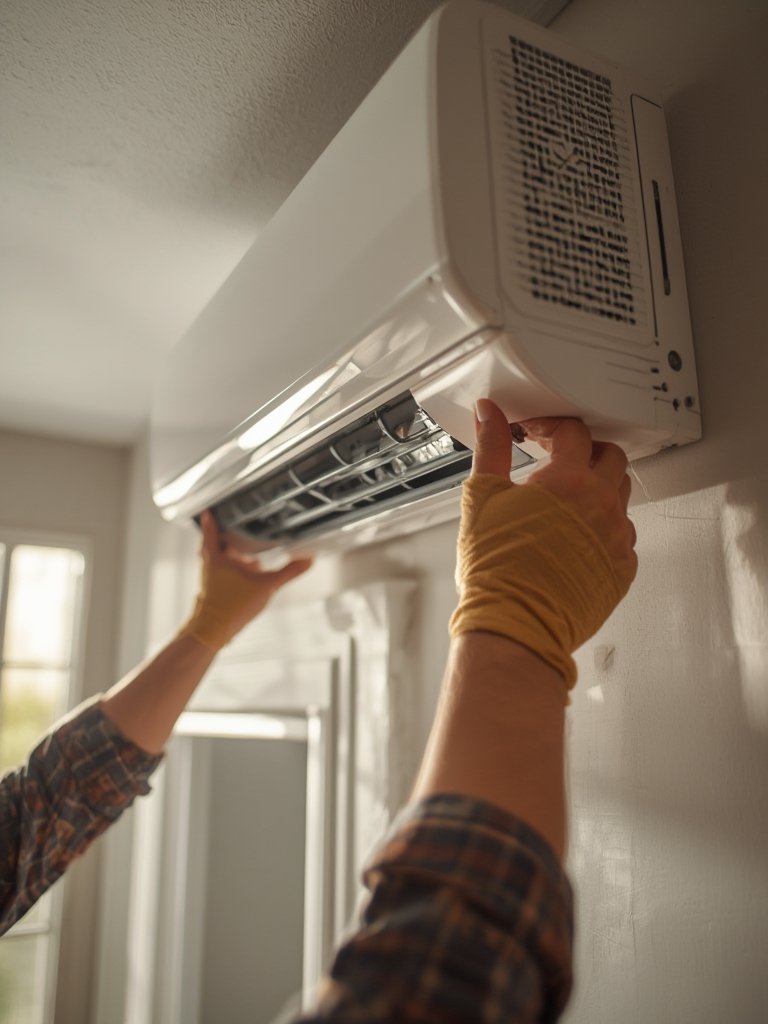
- Clean or change air filters every 1–2 months.
- Keep outdoor condensers clear of leaves, debris, and snow.
- Plan pro service once a year—even if the system seems fine.
Want to combine a mini split with a fresh garden space or bring efficient comfort to a small home office? Zone-based cooling lets you keep these areas comfortable year-round, without cranking up the AC for your whole home.
Advanced Analysis & Common Pitfalls
Switching to a mini split heat pump should not be an impulse decision. Real-world data, which is still limited, points to major upsides—but also recurring user pain points you shouldn’t overlook:
- Installation Quality Gaps: Poorly placed units or skipped steps (like improper vacuuming lines) increase the risk of leaks and underperformance.
- Electrical Surprises: Outdated panels or wiring can halt installation, requiring costly upgrades.
- Inadequate Sizing: Choosing too small a system leaves you uncomfortable; too large raises bills and humidity issues.
- Unrealistic Expectations: Mini splits are efficient, but not miracle workers—old homes with single-pane windows or heavy drafts might still struggle in temperature extremes.
- Missed Rebates/Tax Credits: Many users aren’t aware of ongoing incentives; always search for rebates before committing.
Maintenance, compared to traditional ducted systems, is often simpler—mainly cleaning filters and ensuring outdoor units are clear. But skipping checks for refrigerant leaks, electrical connections, or drain lines can cause major issues later. Also, while mini splits tend to be quieter and allow targeted control, improper installation can lead to noise complaints or awkward wall damage.
| Feature | Mini Split Heat Pump | Traditional Central Air |
|---|---|---|
| Ductwork | Not required (ductless) | Required throughout house |
| Zone Control | Multiple zones easily | Single or limited zones |
| Energy Efficiency | Very high (20+ SEER common) | Moderate (13–16 SEER typical) |
| Installation Cost | Lower for single rooms, varies for whole-home | More expensive, especially for ductwork |
| Maintenance | Mostly DIY; filter washes, unit cleaning | Pro only; duct cleaning, seasonal |
| Lifespan | 15–20 years typical | 15–20 years typical |
| Noise | Low; advanced compressors | Moderate (duct vibration possible) |
Climate matters, too: in very cold climates, some mini split heat pumps lose efficiency—though newer models have improved low-temperature performance [source]. For most homeowners, they work exceptionally well in moderate conditions or as a supplement for hard-to-reach spaces. For more on planning upgrades that boost comfort, review our latest home decor ideas.
Conclusion
With the right approach, a mini split heat pump delivers targeted, energy-efficient comfort for a wide range of homes and small businesses. Planning, honest budget assessments, and leveraging rebates are crucial. Watch out for poor installation and size miscalculations—the most common user regrets stem from rushing these steps. If you want a flexible solution for today and tomorrow, investing in a mini split heat pump is a smart move that can transform your comfort and efficiency.
Ready to step up your home’s comfort and lower your energy bills? Research local rebates, speak to multiple installers, and make your mini split project a model of smart, modern comfort.
FAQ
Do mini split heat pumps work in cold climates?
Yes, many newer mini split heat pumps now provide reliable heat in outdoor temperatures as low as 5°F to -15°F. However, extremely cold environments may still require supplemental heating. Always check your chosen model’s specifications for low-temperature performance.
How long does a typical mini split heat pump last?
Most mini split heat pumps last between 15 and 20 years with proper maintenance, which is comparable to traditional central HVAC systems when filters are cleaned and annual servicing is done.
Can I install a mini split heat pump myself?
While some homeowners with construction experience attempt installation, most manufacturers require professional installation for warranty coverage, especially for refrigerant handling and electrical safety. Mistakes are costly and can void system support.
Are there incentives or rebates for mini split heat pump systems?
Yes, many local utilities and federal programs offer rebates or tax credits for installing qualified mini split heat pumps. Check with your utility company or state energy authority before purchasing to maximize savings.
How often should filters be cleaned or replaced in a mini split?
Most manufacturers recommend cleaning or replacing indoor filters every 1–2 months, especially during heavy heating or cooling months. Keeping filters clean is key to efficient performance and longer system lifespan.