

Home electrification is rapidly shifting how Americans power their living spaces, offering benefits in comfort, cost savings, and sustainability—but every transition brings new decisions and challenges. If you’re thinking about moving away from gas and embracing electric appliances or systems, you’re not alone. This comprehensive guide shows what’s happening across the US and delivers practical insights so you can electrify the smart way.
Key Takeaways
- Electrification rates are rising fast, with 42% of US homes now using electricity for main heating and growing interest in all-electric living.
- Planning, technical specs, and navigating incentives are vital for a successful transition—costs and potential hurdles vary by region and home.
- Careful research, knowledge of pitfalls, and insider tricks can help you streamline upgrades and secure the best financial incentives.
- What Is Home Electrification and Why Does It Matter?
- Step-by-Step Guide to Home Electrification
- Advanced Analysis & Common Pitfalls
- Conclusion
- Frequently Asked Questions
What Is Home Electrification and Why Does It Matter?
Home electrification means replacing a home’s fossil-fuel appliances and systems—like gas furnaces, water heaters, ranges, or even gasoline vehicles—with electric-powered alternatives. This switch has picked up momentum nationally, not just to lower emissions but also to take advantage of new technology, possible savings, and the flexibility to power homes with renewable energy down the line.
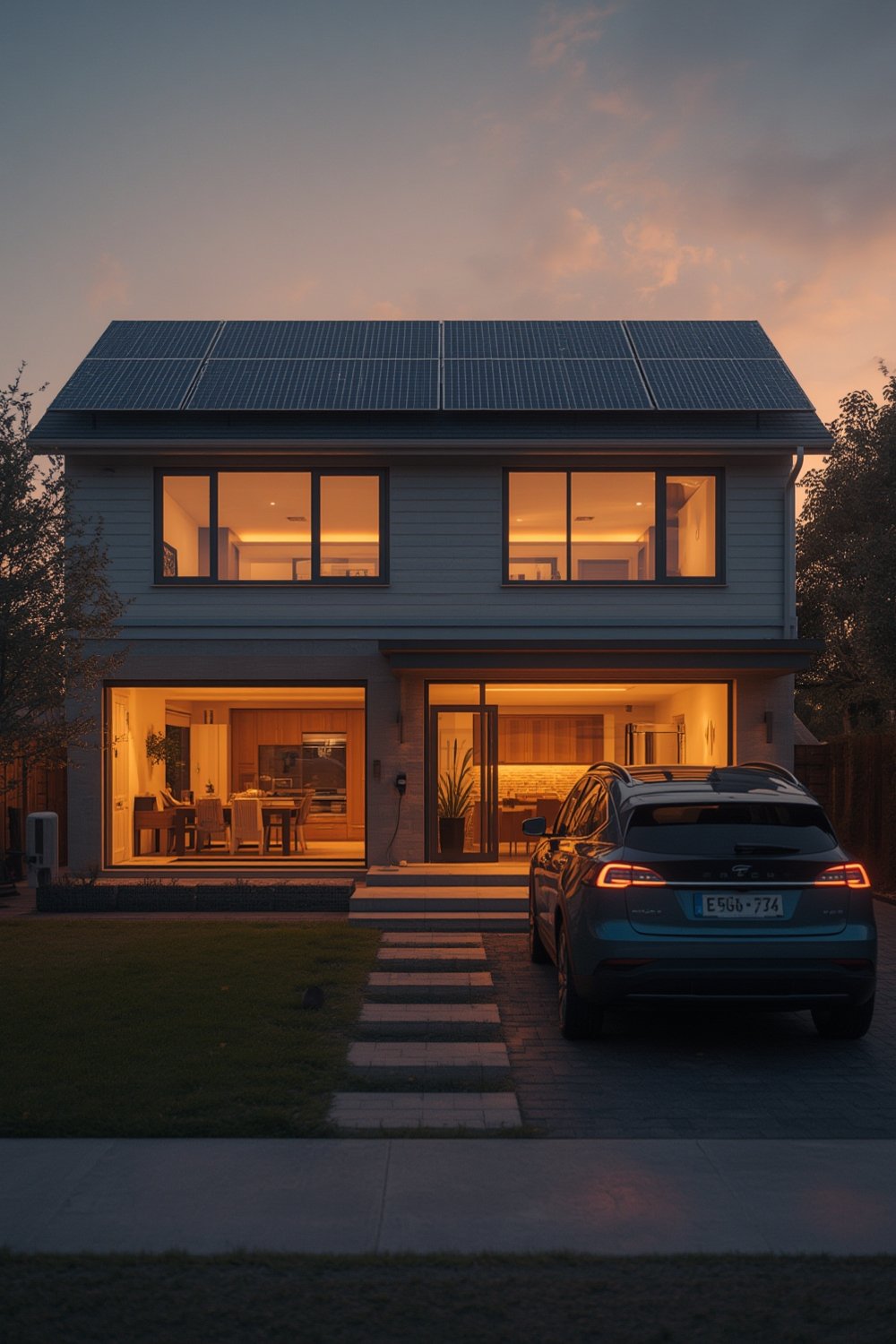
According to recent research, electric main heating climbed from 35% of US homes in 2010 to 42% in 2024. Meanwhile, natural gas fell to 47%. Changes are fueled by local policy shifts, bans on gas in new builds, the rise of efficient electric heat pumps, and migration to warmer areas [source]. While we lack precise national numbers on fully electrified homes, more homeowners are considering the switch: one survey shows 51% have a positive view of an “all-electric home,” and over one-third would prefer it if buying today (research source).
Beyond the sustainability angle, electrification may lead to healthier indoor air, less maintenance, and for some, lower lifetime energy bills—especially when paired with home energy upgrades or renewable energy.
For further upgrades, consider modernizing your space with home decor ideas that instantly upgrade your space once electrification projects are finished.
Step-by-Step Guide to Home Electrification
Ready to take action? Here’s exactly how to get started with home electrification, from prep work through implementation and maximizing incentives:
1. Set Your Priorities and Scope
Decide if you want to electrify everything at once or phase in over time. Typical starting points include:
- Heating and cooling (heat pumps replace furnaces/ACs)
- Hot water (heat pump water heater or tankless electric)
- Cooking (induction/electric ranges and ovens replacing gas)
- Laundry (heat pump dryers or standard electric models)
- EV charger installation
2. Assess Your Home’s Electrical System
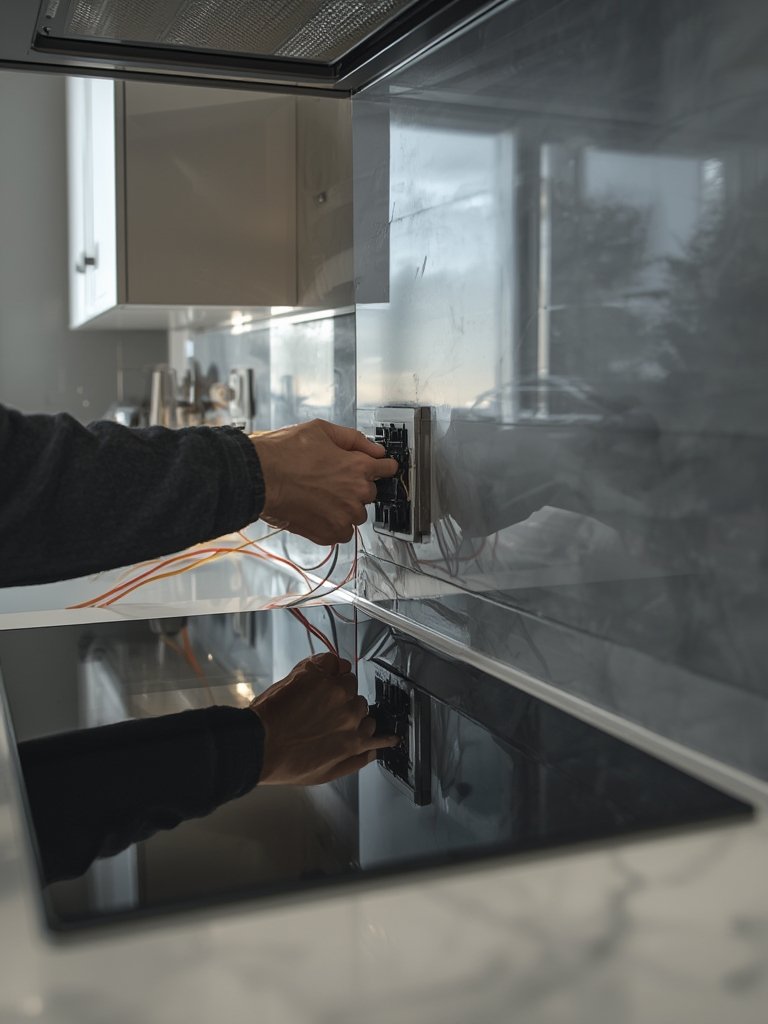
Many homes need electrical panel upgrades to handle added loads, especially for multi-appliance conversions or installing EV chargers. An electrician can assess if your panel is sufficient (typically 200 amps or more is ideal).
3. Research Products and Rebates
New heat pumps, induction ranges, and water heaters vary widely in efficiency, features, and price. Compare ENERGY STAR ratings, warranty terms, and installation needs. Tap into rebate programs—the US federal government and many states/localities offer incentives for both appliances and panel upgrades, but requirements and documentation can be complex and change yearly.
- Gather proof of residency, income (for income-based rebates), appliance receipts, installation photos, and electrical permits as required.
4. Hire Certified Contractors
Choose installers or electricians with experience in the specific upgrades you need—especially for heat pump retrofits or panel work. Ask about projected timelines, permitting, and who files rebate paperwork.
It’s also wise to connect with neighbors or read online reviews. For tips on adapting your kitchen, explore kitchen ideas that make everyday cooking feel effortless after installing induction or electric appliances.
5. Implement and Inspect
Schedule installation, then test each upgraded system thoroughly. File for rebates promptly, keeping organized digital copies of all submittals. Track your utility bills and comfort—some upgrades like heat pump dryers save most money when used wisely (avoid peak hours or pair with time-of-use rates where available).
6. Maintain and Optimize
Check filters, maintenance schedules, and appliance updates. Revisit your electrification plan every few years as technology and incentives change, or as your family’s needs evolve.
Advanced Analysis & Common Pitfalls
Switching to full home electrification has real benefits, but it’s not always straightforward. Here are the issues most often discovered during or after upgrades:
| Issue | What Can Happen | How to Avoid or Fix |
|---|---|---|
| Undersized Electrical Panel | Not enough capacity for new appliances; costly delays or surprise upgrade bills. | Have a licensed electrician assess and quote panel size up front before buying appliances. |
| Permitting & Code Hiccups | DIY or improper installs can risk code violations, failed inspections, or missed rebates. | Use certified, insured professionals; review local building codes early in the process. |
| Rebate Red Tape | Missed deadlines or ineligible purchases can void rebate eligibility. | Read rebate fine print, pre-apply if required, save every receipt and permit. |
| Product Performance and Satisfaction | Some users complain new systems don’t heat/cool as expected, or dislike induction cooking feel. | Do real-life demos if possible; read user reviews, talk to others for feedback first. |
| Longer Payback Periods | Energy bill savings can take years to offset upfront costs, especially in low-electricity-cost regions. | Crunch numbers using utility rate calculators and up-to-date incentive estimates. |
If your household also has pets, you may find our pet-friendly home ideas useful when adapting layout or cords during appliance upgrades. And if outdoor upgrades are on your horizon, see garden ideas that make outdoor spaces feel effortless and inviting to pair with your electrified home.
Conclusion
The path to sustainable, comfortable, and efficient living is increasingly paved with home electrification. While costs and complexity vary—from electrical panels to appliance choices and rebates—a realistic plan will help avoid pitfalls and ensure lasting results. Make electrification part of your modern lifestyle and always check for the latest incentives and product improvements to maximize your investment.
Ready to start your home electrification journey? Prioritize today’s upgrades, leverage every available rebate, and connect with local professionals for a seamless transition. If you’re seeking ways to further personalize or modernize your newly electrified space, explore top home decor ideas for inspiration.
Frequently Asked Questions
How much does it cost to fully electrify a typical single-family home in 2024?
There is no single number, as costs depend on your home’s current setup, regional labor rates, and which appliances or upgrades you choose. Ballpark estimates for full conversions (including appliances and an electrical panel upgrade) often range from $15,000 to $40,000 before incentives. Always get several quotes and check local rebate programs to lower out-of-pocket expenses.
Are there rebates or incentives available for home electrification in 2024?
Yes, multiple programs exist—federal (like the Inflation Reduction Act incentives), many state governments, and even local utilities offer financial incentives for things like heat pumps, panel upgrades, and electric appliances. Requirements and amounts can change yearly, so check with your state energy office and utility before starting.
Does home electrification raise resale value or appeal for future buyers?
The trend is positive: over half of surveyed homeowners in 2024 report a favorable view of all-electric homes, with more than a third preferring them when buying. Features like heat pumps and high-efficiency electric appliances are attractive—especially in markets with high gas prices or local bans on new gas connections.
What are the biggest technical gotchas when electrifying older homes?
Many older homes need electrical panel upgrades and potential rewiring to safely support the current demands of new electric appliances or an EV charger. Always have an electrician evaluate your system in advance, and expect some wall, ceiling, or panel work for major upgrades.
Is induction cooking really better than gas?
Induction delivers very fast, precise heat, is safer (no open flame and less indoor air pollution), and keeps kitchens cooler in summer. However, some users don’t love the “feel” compared to gas, and you’ll need compatible cookware. Try a demo at a retailer before you commit.